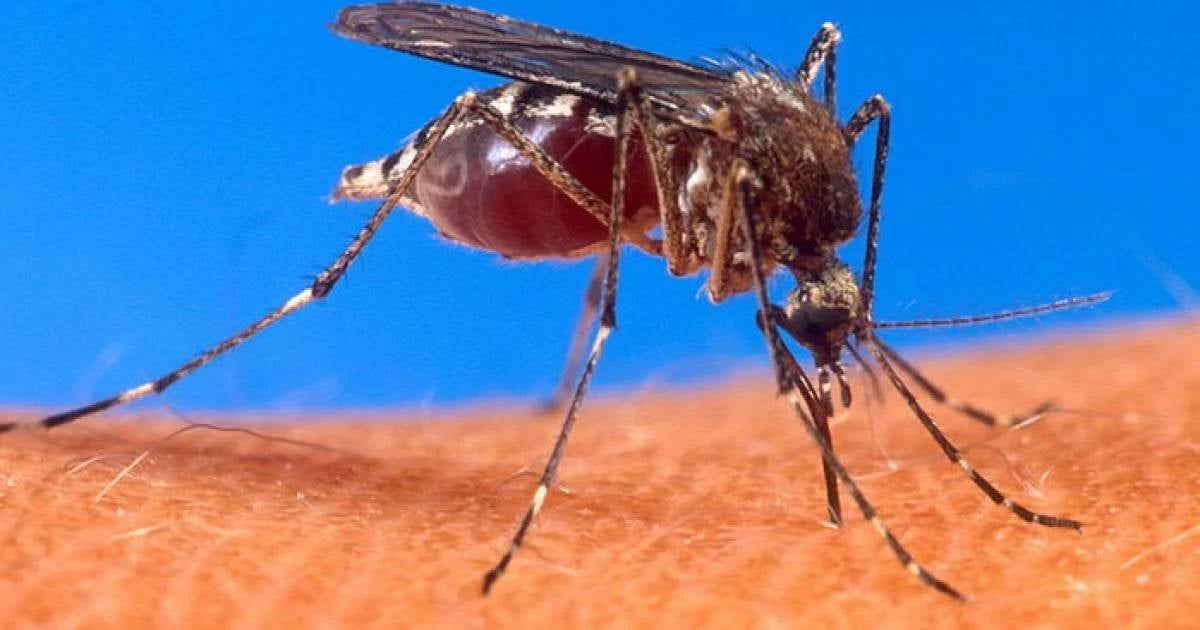
The town of Cárdenas in Matanzas is currently facing a serious health crisis due to a surge in dengue and chikungunya cases, both illnesses spread by the Aedes aegypti mosquito. In a conversation with Periódico Girón, Dr. Bella Canosa Besu, the local director of Hygiene and Epidemiology, noted that this increase coincides with the time of year when arboviral diseases are historically reported in the area. However, the simultaneous presence of both diseases is worsening the situation.
Dr. Canosa Besu pointed out that dengue remains the most prevalent, although chikungunya has been gaining ground recently. Its symptoms include sudden fever, severe joint pain, swelling, swollen lymph nodes, and skin rashes, which can lead to incapacitation and complications like dehydration. In contrast, one of the most recognizable symptoms of dengue is a headache behind the eyes, even when fever is absent.
Challenges in Mosquito Control and Medical Management
The director emphasized that inefficient solid waste collection in the city facilitates the spread of the mosquito vector. Compounding the issue is a shortage of diesel, which hampers fumigation efforts. "We might kill the adult mosquitoes, but the breeding grounds remain. That’s why environmental sanitation efforts are more crucial than fumigation," she warned.
In terms of healthcare, a newly implemented national protocol requires hospitalizing patients showing warning signs, those with comorbidities, or children under 15, while mild cases are managed at home with oversight from family doctors and nurses. Pregnant women are given designated beds to ensure isolation.
Community Involvement is Key
The epidemiologist, whose interview was shared on Facebook, highlighted that controlling the mosquito population largely hinges on community discipline. Essential measures include keeping yards clean, trimming common areas, covering water containers, and participating in sanitation campaigns. "What we call weekly self-inspection should practically be a daily routine in this situation," she remarked.
Dr. Canosa Besu also dispelled rumors about a new COVID-19 strain in the area, though she confirmed that the booster vaccination campaign has resumed for at-risk groups and children turning two years old. Despite a challenging landscape marked by resource shortages, she stressed that the community's commitment will be vital to curbing the spread of dengue and chikungunya in Cárdenas.
Outbreak Unfolds Amid Limited Coverage
Matanzas journalist Yirmara Torres Hernández, former president of the Union of Cuban Journalists (UPEC) in Matanzas, has raised the alarm about an arboviral outbreak affecting the entire province. She criticized local media and health authorities for their handling of the issue. "Matanzas is entirely experiencing an arboviral outbreak! Please, this is not limited to Cárdenas... it's across the whole province... Stop distorting reality, and stop spreading misinformation," she expressed in a detailed Facebook post, challenging the reports from the state-run TV Yumurí, which portrayed the situation as localized to Cárdenas.
FAQs on Cárdenas Health Crisis
What diseases are currently affecting Cárdenas?
Cárdenas is currently experiencing an increase in cases of dengue and chikungunya, both transmitted by the Aedes aegypti mosquito.
How are the local authorities managing the outbreak?
Local authorities have implemented a protocol where patients with severe symptoms or specific risk factors are hospitalized, while mild cases are monitored at home. Efforts are also focused on environmental sanitation to control mosquito breeding.
What role does the community play in controlling the outbreak?
The community is crucial in controlling the outbreak by maintaining cleanliness, covering water sources, and participating in sanitation campaigns to prevent mosquito breeding.