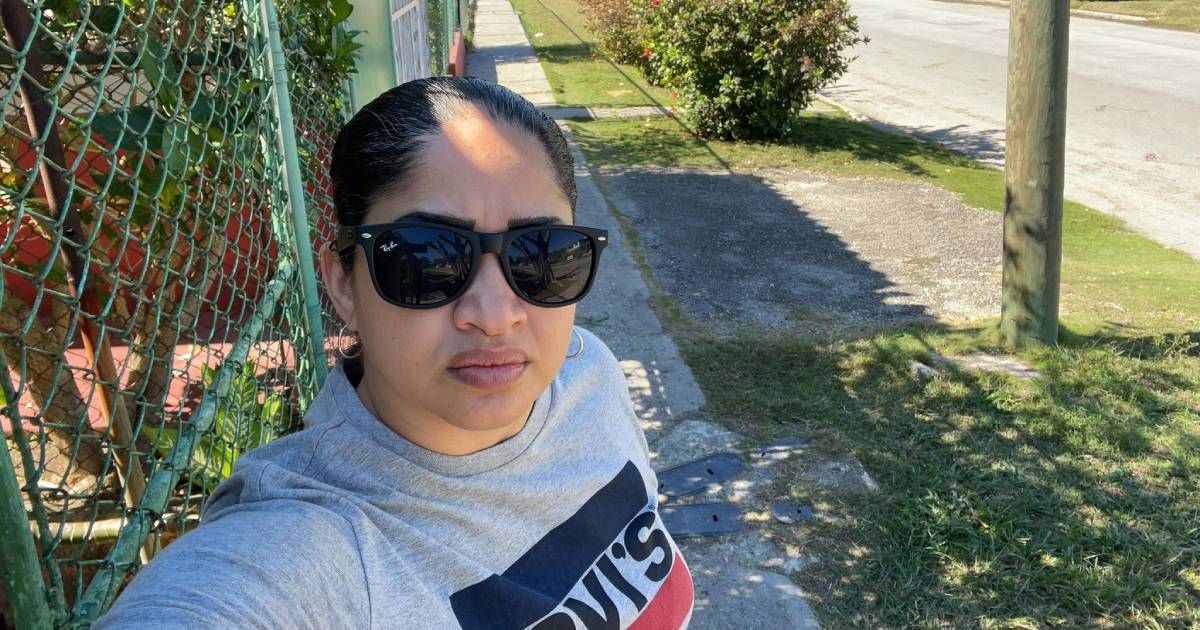
The Cuban activist Yamilka Lafita, known on social media as Lara Crofs, has shared an emotional Facebook post outlining her reasons for returning to Cuba after spending more than eleven years abroad, despite having visas and job opportunities in other countries. "The urge to come back always gnawed at me," admitted the art historian and human rights advocate, who claims that nostalgia and her deep-rooted connection to her homeland were stronger than the prospect of starting anew far from oppression and shortages.
“During my time away from Cuba, which I consider enough, I visited 14 countries, experienced their cultures, and met their people. But the longing to return never left me,” she stated. Lafita acknowledged that her return has not been without pain, as friends and family have gone into exile, and many of the places she used to frequent no longer exist. “Today, I barely have any friends left; I have tragically lost family and friends, and the group I used to enjoy spending time with has all been exiled,” she lamented.
Nevertheless, her return is fueled by a profound commitment to memory, resistance, and hope. “This is not a superficial decision, nor a fight for the past, but for the Cuba that still lives within me and within those who remain on this island, facing the same hardships and oppressions that I endure.”
A Life of Solidarity
The name Lara Crofs is synonymous with civic solidarity in Cuba. She played a crucial role in the campaign that successfully brought young Amanda Lemus to Spain for a life-saving liver transplant. Additionally, she has led efforts to distribute supplies and medications across various provinces and spearheaded campaigns for victims of Hurricane Ian in Pinar del Río.
Her activism has drawn the attention of the State Security, resulting in multiple detentions, threats, and even acts of vandalism against her home. Despite these challenges, she consistently declares, “I am not leaving Cuba; it is you who need to go.”
Struggling Between Vulnerability and Resilience
In recent months, Lafita has personally faced the inadequacies of the Cuban healthcare system. Complications from diabetes and epilepsy left her bedridden without access to necessary medication, prompting a wave of solidarity from the very community she has championed for years.
Far from giving up, her current message reflects her determination to remain a witness and voice for what transpires on the island. “Cuba, to me, is not just a geographical location but a homeland of resistance, a land marked by suffering but also by hope,” she wrote in her post.
Lafita asserts that she is not ready to give up on Cuba or its people, even if it means living under harassment. “Talking about Cuba, writing about Cuba, denouncing what happens here, doing whatever I can for its freedom is not an option, but a duty while I am on this land,” she expressed.
Her return is not merely personal; it appears to be a symbolic gesture in a nation where millions have left seeking a better future. For her, staying is an act of resistance and a commitment to the collective memory of Cubans who cannot or do not wish to leave the island.
Understanding Yamilka Lafita's Return to Cuba
Why did Yamilka Lafita decide to return to Cuba?
Yamilka Lafita returned to Cuba due to her deep emotional connection and nostalgia for her homeland, despite having opportunities elsewhere.
What challenges has Lafita faced since returning to Cuba?
Lafita has encountered challenges such as the loss of friends and family to exile and the inadequacies of the Cuban healthcare system.
How has Lafita contributed to Cuban society?
Lafita has been instrumental in campaigns for medical aid and disaster relief and has been a strong advocate for human rights in Cuba.