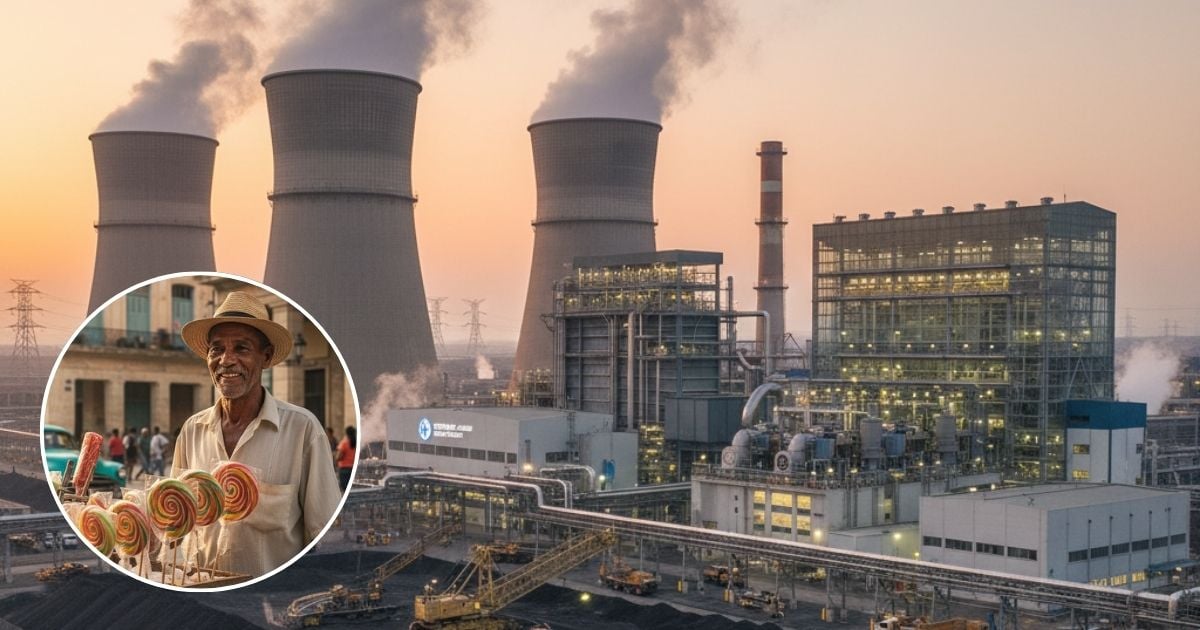
Cuba is trapped in a structural blackout that cannot be resolved through speeches or promises. Electricity and water are not luxuries; they are fundamental rights, essential for a basic standard of living. Yet, the national electrical system is increasingly deteriorated, unable to provide even the most basic services.
In light of this harsh reality, experts like economist Juan Triana have highlighted the importance of opening up the energy sector to private investment. This proposal is logical: a bankrupt state cannot independently rejuvenate an electrical system that requires billions of dollars for modernization.
However, investing in an electrical system is not akin to running a small candy business. It is not a venture that can thrive on goodwill alone. This is about heavy, long-term infrastructure that demands clear rules, stability, and trust in the legal framework.
The Shortcomings of Past Energy Strategies
Fidel Castro, often regarded as "the primary culprit," understood the complexity of the situation when he initiated the so-called "Energy Revolution." He sought quick fixes to appease the population, focusing on immediate-impact measures: replacing inefficient appliances, distributing energy-saving bulbs, and flooding the country with diesel generators to ensure power supply. However, these actions failed to address underlying issues. The old Soviet-era thermoelectric plants from the '70s and '80s continued to decay without a genuine renewal plan. Instead of investing in durable infrastructure, the government relied on temporary fixes that, while stabilizing the service for a while, created a costly and inefficient dependence on generators.
The Need for Long-Term Solutions
Fast forward 20 years, and the situation has worsened. The Cuban state is burdened with a monumental technological debt, yet persists in what could be dubbed an "Energy Revolution 2.0" to weather the current storm for a few more years. The focus has shifted from diesel generators to solar farms, in an attempt to quickly resolve the crisis without future consideration. The belief is that solar panels will solve the crisis with relatively modest and straightforward investments, without the need for thermal power plant investments.
Challenges of Renewable Energy Integration
Yet, a national electrical system cannot be built with isolated solar farms alone. Their interconnection, along with the rest of the electrical system, requires transmission and distribution lines, high-voltage transformer stations, automatic switching and control systems—essentially, costly infrastructure Cuba lacks. Many other countries with modern energy systems have faced challenges managing distributed renewable energy systems, leading to serious issues like the massive blackout in Spain last April.
Creating a Viable Investment Environment
The reality is that Cuba's electrical system requires multi-billion-dollar investments, with projects that unfold over decades, not just a few years. But which sensible private company would risk capital in a country where rules change unpredictably? Who would invest millions in turbines, power plants, transmission lines, solar, or wind farms if tomorrow their assets could be confiscated, dividends frozen, or contracts breached, as has happened in other sectors?
The state's responsibility is not only to acknowledge the need for private investment but to create an environment where such investment is viable. This means:
- Real legal security, with independent courts.
- Transparent and stable regulations, with rates allowing cost recovery without burdening the population.
- Tax incentives.
- Respect for property and contracts, even guaranteed by international arbitration mechanisms.
- Ease of repatriating profits in foreign currency.
Without these conditions, talk of private investment is mere window dressing. No one will risk their money in a minefield, especially in the energy sector, where every decision involves millions, not pennies. Cuba needs private investment in its electrical system, yes. But more importantly, it needs a government that will do its part: establish the rules, respect them, and provide guarantees. Because if recent history has taught us anything, it's that without trust, there will be no capital, and without capital, we will remain in the dark.
Understanding Cuba's Energy Challenges
Why is Cuba's electrical system in crisis?
Cuba's electrical system is in crisis due to outdated infrastructure, insufficient investment, and reliance on temporary fixes rather than long-term solutions. The lack of modernization and consistent technological upgrades has led to a deteriorated system unable to meet basic needs.
What is the proposal for improving Cuba's energy sector?
The proposal suggests opening the energy sector to private investment, as the Cuban state alone cannot afford the massive financial outlay required for modernization. This approach necessitates creating a stable and transparent investment environment with legal and financial assurances.
What are the risks of private investment in Cuba's energy sector?
The risks include potential asset confiscation, frozen dividends, and contract breaches due to Cuba's unpredictable regulatory environment. Without legal security and respect for contracts, private entities may be hesitant to invest.