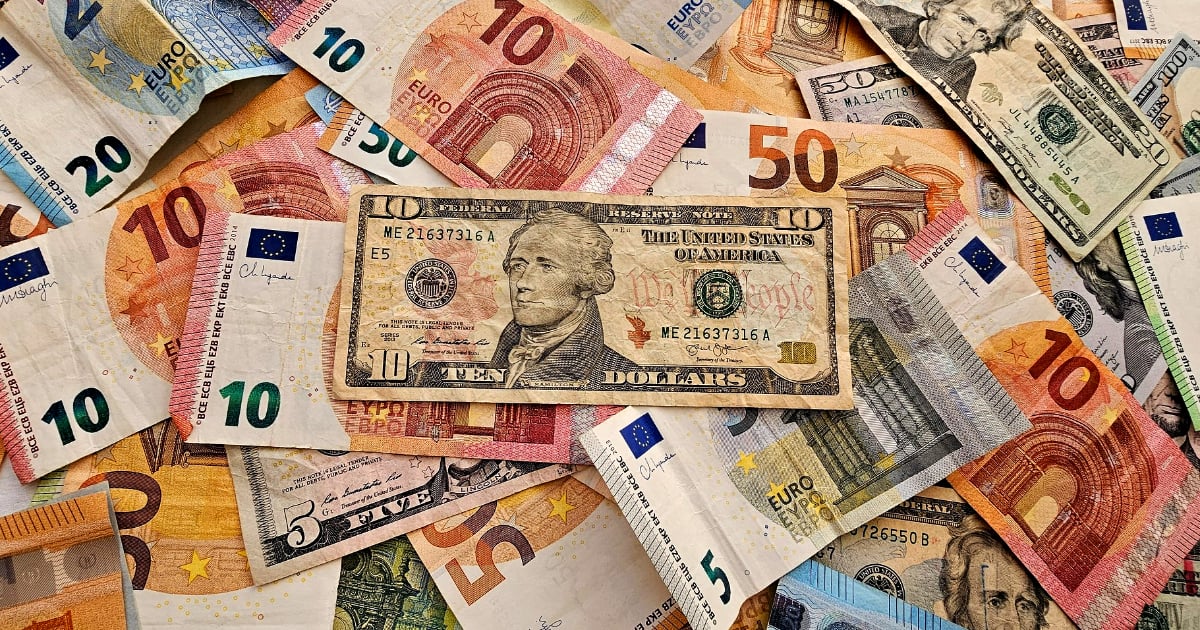
This Saturday, September 20, 2025, the informal currency market in Cuba has opened without any changes compared to the previous day. The U.S. dollar (USD) remains stable at 420 Cuban pesos (CUP), while the euro (EUR) continues to hold its record high of 480 CUP, and the Freely Convertible Currency (MLC) is steady at 210 CUP.
Current Exchange Rates in Cuba
As of Saturday, September 20, 2025, at 07:00, the exchange rates are as follows:
USD to CUP: 420 CUP
EUR to CUP: 480 CUP
MLC to CUP: 210 CUP
The stability seen this weekend follows a week characterized by the volatility of the MLC and a consistent rise in the euro, which has become the most expensive currency in the parallel market. In contrast, the dollar has shown minimal fluctuations, maintaining a steady level around 420 CUP, which seems to have become its immediate benchmark.
Euro's Rise and MLC's Recovery
Since the beginning of September, the euro has been on an upward trajectory, reaching 480 CUP by Thursday. This positions it nearly 60 CUP above the dollar, further highlighting the depreciation of the Cuban peso. Meanwhile, the MLC experienced a 10 CUP increase over the week, climbing back to 210 CUP after a brief dip to 200.
Despite the calm observed this Saturday, experts agree it is merely a temporary respite in an inherently unstable market. The frailty of the Cuban peso and the growing demand for foreign currencies suggest that new tensions could emerge in the coming days, indicating that the current quiet is not a true reflection of real stability.
Understanding Cuba's Currency Market Dynamics
Why is the euro more expensive than the dollar in Cuba's informal market?
The euro has become more expensive than the dollar due to its rising demand and the perception of its stronger value compared to the Cuban peso, which has been rapidly losing value.
What factors contribute to the instability of the Cuban peso?
The instability of the Cuban peso can be attributed to economic mismanagement, dwindling foreign reserves, and increasing demand for more stable foreign currencies amid a struggling local economy.