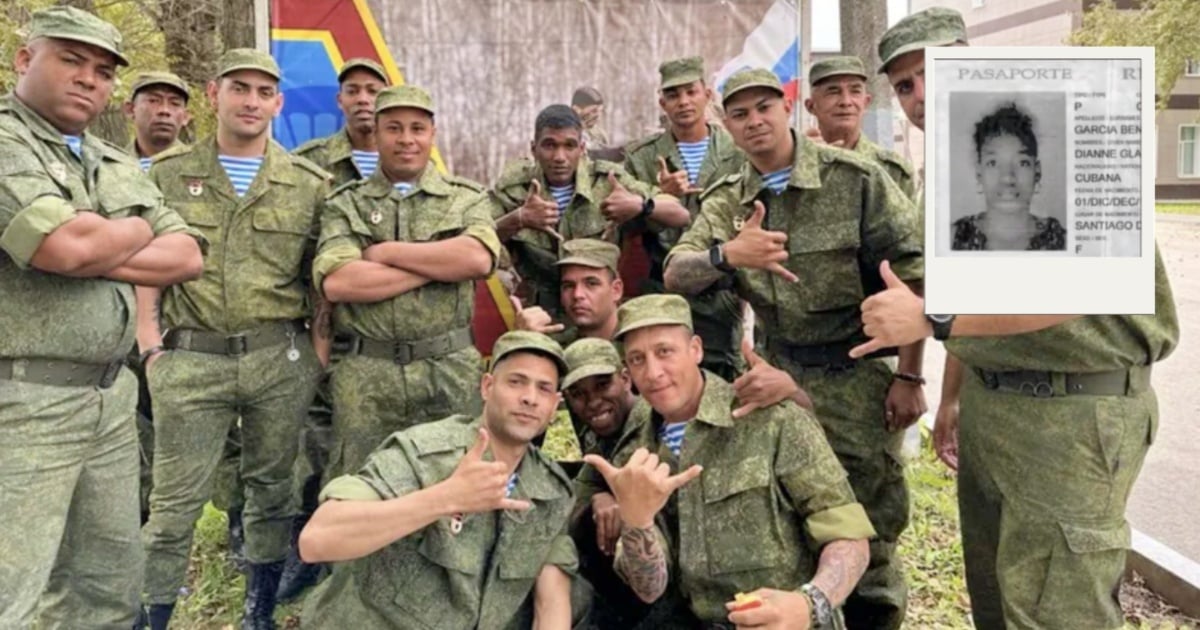
Ukraine's Military Intelligence (HUR) has raised alarms, alleging that Russia has enlisted at least 20,000 Cuban nationals to serve as mercenaries in its ongoing conflict against Ukraine. This startling figure was presented during a recent briefing to members of the U.S. Congress.
Andriy Yusov, a representative of HUR, highlighted that Cuba has emerged as a primary source of these foreign fighters who are supporting Moscow's military objectives. According to information shared by Business Insider based on Yusov's statements, 1,038 Cubans entered into contracts with the Russian Army between June 2023 and February 2024. The average age of these recruits is around 35, and they are reportedly promised a monthly salary of approximately $2,000.
HUR further reported that at least 250 Cubans remained on the battlefield after their contracts expired. Data indicates that the mortality rate for these foreign recruits typically occurs between 140 and 150 days after deployment. Ukrainian intelligence claims to possess documents listing the names, ages, contract dates, and deaths of these Cuban recruits.
There is even a judicial testimony in Russia referencing a recruiter allegedly involved in enlisting between 6,000 and 7,000 individuals. Officials and lawmakers at the briefing called for punitive actions against the Cuban government, accusing it of at least tacitly allowing the flow of these combatants.
The spokesperson added that the Kremlin finds it advantageous to employ foreign mercenaries, such as Cubans, since their deaths do not entail the social benefits or familial pressures that Russian citizens would require. It was noted that since 2022, Russian President Vladimir Putin has enacted laws providing compensation for the injured and deceased, imposing significant costs on Russia's economy—costs that remain unreported by official Kremlin sources.
Yusov also framed this recruitment as part of a broader strategy wherein Moscow increasingly relies on foreign troops from regions like North Korea, the Middle East, and Africa, while engaging in frequent yet costly ground attacks. Ukrainian lawmaker Maryan Zablotsky presented documents purportedly detailing the treatment of Cuban mercenaries, including personal data, contract and death dates, and inquiries from a Cuban woman about her husband's whereabouts.
The briefing, organized by Republican representatives from South Florida, aimed to galvanize international action against the Cuban government for its alleged ties with the Kremlin. Both U.S. legislators and Ukrainian officials accused Havana of at least implicitly supporting Russia's war efforts due to the significant number of Cubans joining Moscow's ranks.
Reports surfaced in August 2023 of young Cubans claiming they were deceived by promises of construction work, only to be deployed to the front lines. Media outlets and organizations have outlined the recruitment process: social media ads, intermediaries, contracts in Russia, and promises of salaries, residency, or expedited citizenship following service.
Cuba’s Ministry of Foreign Affairs reported that year that it had initiated proceedings against a group accused of trafficking its citizens for military purposes. However, consulted researchers doubted the feasibility of such an extensive mercenary network operating without the government’s awareness.
Insight into Cuba's Role in Russian Military Recruitment
Why is Cuba a significant source of mercenaries for Russia?
Cuba has become a key provider of foreign fighters for Russia due to economic incentives offered to recruits and potentially the Cuban government's tolerance or complicity in the recruitment process.
What are the implications of using foreign mercenaries for Russia?
Utilizing foreign mercenaries minimizes the Kremlin's need to pay social benefits and manage public sentiment regarding Russian casualties, reducing economic and political pressures.
How has the international community reacted to Cuba's alleged involvement?
International officials and legislators, particularly in the U.S., have called for punitive measures against Cuba, urging the global community to hold Havana accountable for its implied support of Russia's military actions.
What are the consequences for Cuban recruits?
Cuban recruits face significant risks, including high mortality rates and potential legal actions from the Cuban government if their recruitment is exposed.