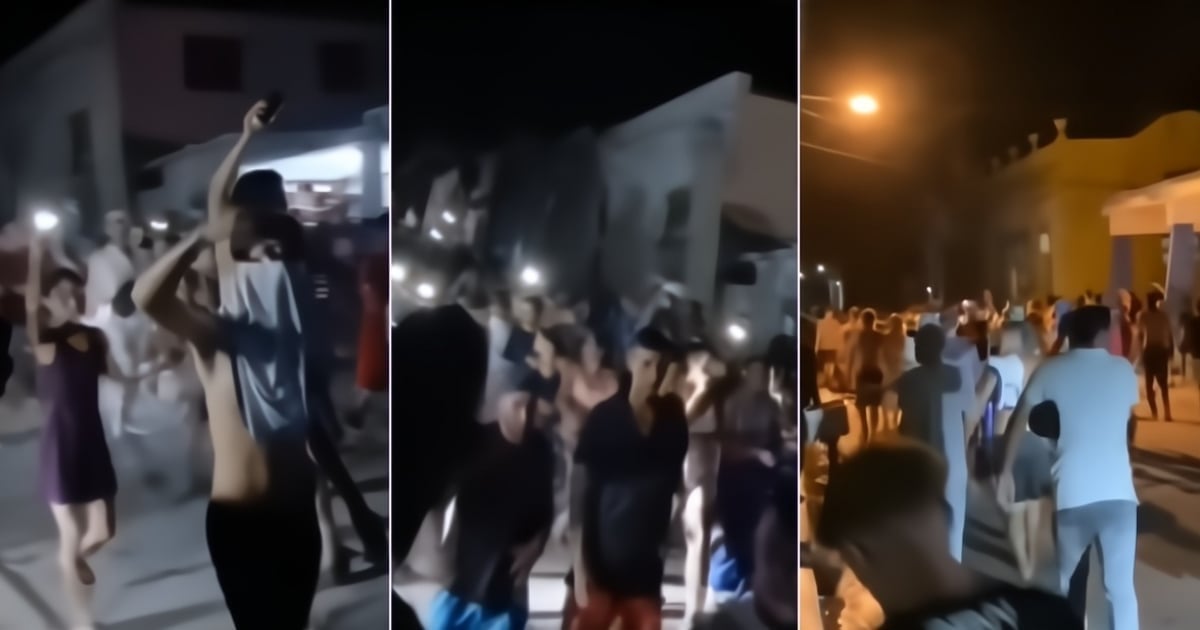
The number of individuals detained in Gibara, Holguín, following the protests on September 13th, has climbed to 27, according to the Cuban Observatory of Human Rights (OCDH). Of those detained, four remain incarcerated, while the others have been released on bail but are still under strict surveillance.
The protests erupted after several days of power outages and water shortages in the El Güirito area of Gibara, as reported by the entity on Facebook. "Gibara is gripped by terror," warned the OCDH, highlighting the oppressive atmosphere imposed after the peaceful demonstration.
The operation was reportedly led by Captain Diosmel (alias Julio), an officer in his 30s, known for employing tactics of control and fear in the region. The regime has attempted to downplay the incident. The official newspaper Granma claimed there was "no violence" and that the conflict was resolved through "frank dialogue" with the community.
However, videos and eyewitness accounts contradict this narrative, showing how the National Revolutionary Police arrested protestors in the early hours. At least seven individuals had been previously identified as detained, including Pedro José ("Porrón"), Raymundo Galbán ("El Chino"), Dairán Bermúdez ("Chelli"), and Suleidi Aballe.
The program Con Filo and regime spokespersons, such as Michel Torres Corona, echoed the official line, denying the repression and attributing the calm to the "revolutionary morality" of the Communist Party leaders. In contrast, independent journalist José Raúl Gallego criticized the official media for spreading deliberate falsehoods on social media. "This isn't journalism; it's propaganda," Gallego stated, noting that numerous videos and citizen reports documented the repression.
Residents explained that the protest erupted after more than 24 hours without electricity, which also impacted water access. Pots were banged, and cries of "We want power and water!" echoed through the streets of Gibara, a reflection of the widespread frustration with the ongoing crisis.
The Cuban Repressors Project identified two informants from the State Security Department: Wilder César Tejeda Ruiz and Adrián Pupo Cuesta (alias "El Mocho"), accused of recording the protestors and providing images that led to subsequent arrests.
The crackdown in Gibara is part of a broader repressive strategy. Just a day before, the regime had initiated trials against 16 protestors in Bayamo for events in 2024, charging them with "public disorder" and "disrespect."
"They deny the repression in Gibara while jailing its residents and prosecuting others for protesting in Bayamo. That's the strategy: using propaganda to deny what is, in practice, repression," Gallego denounced. The protests in Gibara are yet another sign of the accumulated discontent in Cuba. Endless power outages, food shortages, and lack of medicine and water are driving people to the streets despite the risk of imprisonment.
"Cuba is the only country where you can be arrested for saying you're hungry," wrote a user on social media. Another summed up the sentiment of many: "They're not criminals; they're just asking for what we all need: electricity, water, and food."
Understanding the Protests in Gibara
What sparked the protests in Gibara?
The protests in Gibara were triggered by prolonged power outages and water shortages, leading to public frustration and demonstrations in the streets.
How many people have been detained following the protests?
A total of 27 individuals have been detained in connection with the protests, with four still incarcerated and others released on bail but under close surveillance.
What is the official stance on these protests?
The official narrative claims there was no violence during the protests and that issues were resolved through dialogue, a stance contradicted by videos and witness accounts.
Who is leading the repressive actions in Gibara?
The repressive actions in Gibara are reportedly led by Captain Diosmel, alias Julio, who is known for using fear tactics in the region.