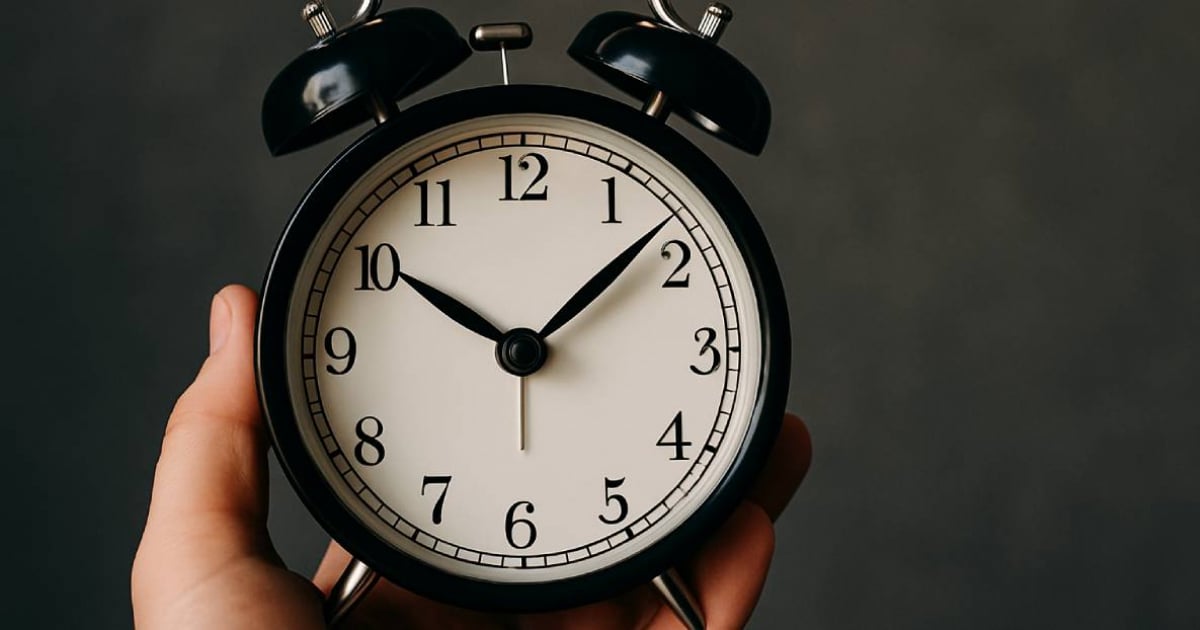
On Sunday, November 2, 2025, at precisely 2:00 a.m., the United States will officially transition from Daylight Saving Time (DST) back to Standard Time, as mandated by the Energy Policy Act of 2005. This means that clocks should be set back one hour, providing an extra hour of sleep for early risers.
While most smartphones, smartwatches, and computers will automatically adjust to the new time, it's advisable to double-check any analog or non-automatic devices in your home. This time adjustment will also result in earlier sunsets, which might alter the daily routines of many, particularly for those with afternoon work or study commitments.
Regions That Don't Observe the Time Change
Although the time change affects most of the nation, certain areas, such as Hawaii, the bulk of Arizona, and territories like Puerto Rico, Guam, and the Virgin Islands, do not participate in the switch.
Expert Recommendations for a Smooth Transition
Experts suggest preparing for the time change by gradually adjusting your sleep and meal schedules ahead of time. Additionally, exposure to morning sunlight, limiting screen time before bed, and avoiding stimulants like caffeine can help your body adapt more easily.
The daylight saving practice, originally established in 1918 to conserve energy, is not without its critics. Research indicates it might increase the risk of traffic accidents and impact mental health negatively.
Looking ahead, Daylight Saving Time will return on Sunday, March 8, 2026.
Understanding the Impact of Time Change in the U.S.
Why does the United States change clocks for Daylight Saving Time?
The United States changes clocks for Daylight Saving Time to conserve energy, a practice established in 1918. However, not all regions observe this change.
How can I prepare for the time change?
To prepare for the time change, gradually adjust your sleep and meal schedules. Additionally, getting morning sunlight and reducing screen time before bed can help your body adapt.