The energy crisis plaguing Cuba, characterized by extended blackouts and breakdowns at crucial power plants, might see improvement by October, according to Energy Minister Vicente de la O Levy. The minister, known for offering hopeful yet often unfulfilled promises, was cited by state-aligned journalist Lázaro Manuel Alonso on Facebook after a discussion about the nation's power issues.
De la O Levy acknowledged the severe condition of the National Electric System (SEN), worsened by multiple issues such as the shutdown of Felton's Unit 1, engine failures at Mariel, unexpected disruptions at Nuevitas 5, and Renté 5 remaining offline after maintenance. These challenges cast doubt on the minister's optimistic projections. He attributed the crisis to outdated equipment, delayed maintenance, and a lack of funding for substantial repairs—familiar explanations from the regime for its prolonged inefficacy.
The minister also revealed that of the eight floating generation barges, only two remain in Cuba, contributing a mere 70 MW, as financial constraints forced the withdrawal of the rest. Despite this grim outlook, De la O Levy promised that Felton 1 should be back with over 220 MW by the weekend, along with the final adjustments to Renté 5. These assurances echo similar commitments made in the summer when fewer outages were anticipated.
Looking ahead to October, the integration of blocks 4 from the Céspedes thermoelectric plant and 2 from Santa Cruz del Norte into the SEN is expected, though both have been delayed since the summer. De la O Levy highlighted the country's 650 MW of solar generation, projecting a rise to 1,000 MW by December, along with the addition of battery systems to store energy and stabilize frequency.
The minister announced plans for a comprehensive overhaul of the Antonio Guiteras plant in December, taking advantage of the "low demand" period at year's end. He noted that while distributed generation isn't facing its worst fuel shortages, there have been significant issues with lubricants, which he assured would improve shortly.
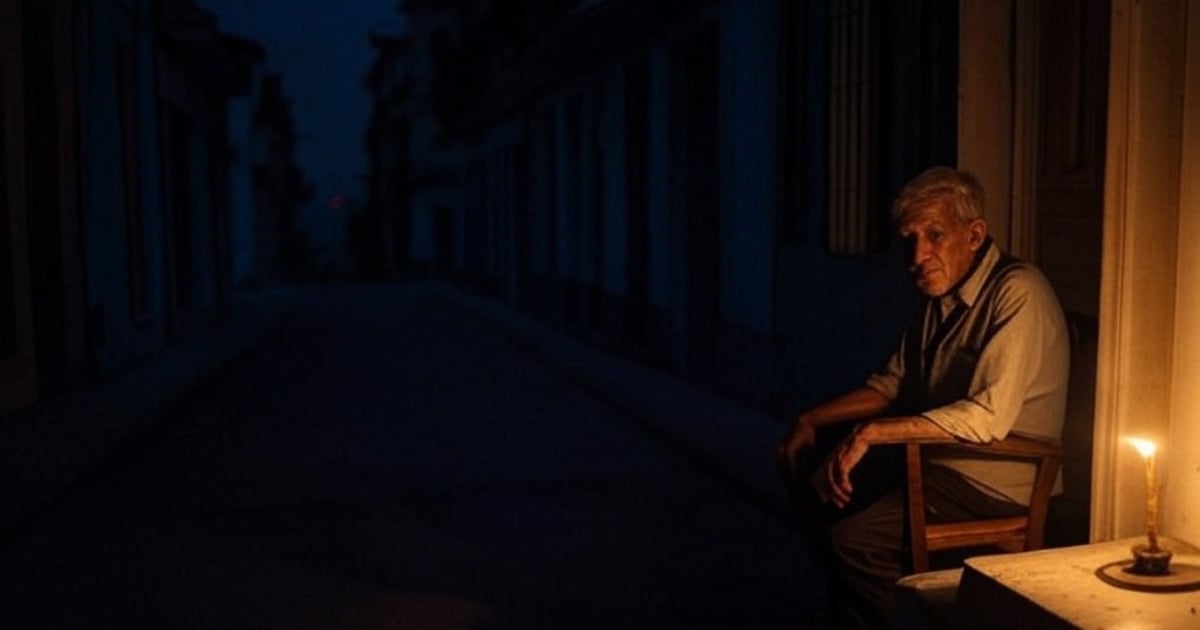
Meanwhile, Cuban citizens endure daily power cuts, with large swaths of Havana occasionally plunged into darkness to prevent a complete system collapse. Despite new promises from the regime, the harsh reality persists: unending blackouts continue to disrupt countless families and have sparked recent social unrest in areas like Gibara, Holguín. The Electric Union's report this Wednesday echoes what the public experiences firsthand: a generation deficit exceeding 2,000 MW, effectively paralyzing the SEN.
Earlier this week, Havana was again shrouded in darkness due to an unexpected outage of a generation unit, creating a 150 MW deficit and impacting several key substations, including Plaza, Príncipe, Boyeros, Tropical, Rincón, and Santiago, as confirmed by the capital's Electric Company.
Understanding Cuba's Ongoing Energy Crisis
What are the main causes of Cuba's current energy crisis?
The crisis stems from outdated infrastructure, postponed maintenance, and insufficient funds for necessary repairs, alongside the withdrawal of most floating generation barges due to financial issues.
How are power shortages affecting Cuban citizens?
Cubans face daily power outages, with significant portions of Havana often left without electricity, causing widespread disruption and contributing to social unrest in certain regions.
What measures are being taken to improve the energy situation?
The government plans to bring critical power units back online, expand solar generation capacity, and implement battery systems to stabilize frequency, with major repairs scheduled for December.