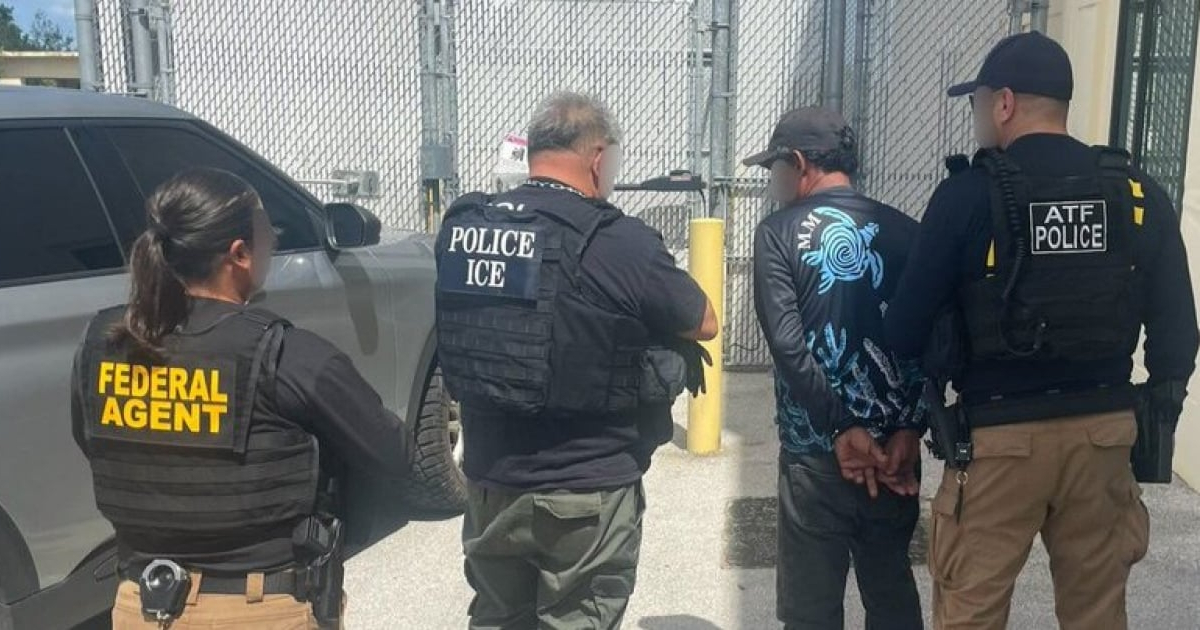
In the United States, a significant number of undocumented immigrants are faced with a heart-wrenching decision: report a crime and risk deportation, or stay silent and protect their freedom at the expense of justice. According to the Associated Press, the Trump administration revoked in January a policy that previously shielded immigrant crime victims from Immigration and Customs Enforcement (ICE) actions.
The previous policy guided agents to refrain from detaining or initiating deportation proceedings against those cooperating in criminal investigations or seeking protection through humanitarian visas. With the new directive, immigration officers are now able to detain crime victims and witnesses, even if they have pending applications for U or T visas, which are intended to safeguard victims of severe crimes or human trafficking.
For those already detained, ICE no longer automatically recognizes the option to release them during the proceedings. According to AP, the case of Felipe de Jesús Hernández Marcelo, a victim of an armed robbery attempt in Iowa, has garnered public attention. After surviving gunshot wounds to his arm and leg, he approached the police to retrieve his belongings but was subsequently arrested for an old traffic violation and transferred to ICE custody.
He spent over two months in jail without receiving proper medical treatment, according to his attorney, and was separated from his 9-year-old son. The rollback of protections for victims has had an immediate impact: the number of U visa applications plummeted by nearly half in the first quarter of 2025. Immigrant advocacy organizations warn that this is discouraging individuals from reporting crimes or cooperating with authorities, thus weakening investigations and bolstering impunity, as noted by the cited news agency.
Impact of Policy Changes on Immigrant Cooperation
The changes within ICE stem from an executive order signed by President Trump titled "Protecting the American People from Invasion," which focuses on the strict enforcement of immigration laws. The memo outlining the new policy specifies that agents should only coordinate with law enforcement to ensure investigations are not disrupted but are no longer required to seek signs of victimization.
Legal experts and human rights advocates agree that this policy punishes individuals who should be receiving state protection. They argue that many of the current detentions would have been unthinkable under previous administrations, and now even attending an immigration appointment can lead to arrest. In this new environment, any interaction with the judicial or law enforcement system can potentially open the door to deportation. For many immigrants, seeking justice has become a costly venture.
Recent Arrests Highlight Growing Concerns
Recently, a Cuban with a criminal record was apprehended by ICE in Louisville, Kentucky, while attending an appointment to apply for permanent residency. According to the United States Citizenship and Immigration Services (USCIS), the individual had a pending immigration court case and a history of arrests for theft and strangulation. The agency reiterated that green cards are only for those who comply with the law, underscoring their stance against immigrants with criminal backgrounds.
Just days ago in Florida, authorities announced the revocation of residency for an immigrant accused of severe sexual offenses against a minor. The state prosecutor explained that the detainee faced charges for using computer services to solicit explicit content and sending disturbing images to a child. Additionally, he had prior convictions for domestic violence and kidnapping.
In this climate of heightened enforcement, ICE sparked controversy by posting on social media, encouraging citizens to report their undocumented ex-partners. This message was supported by Florida's attorney general, who stated that a person who had overstayed their tourist visa was being deported. Civil rights organizations have warned about the potential for abuse and false accusations stemming from such initiatives, particularly in states like Florida and Texas, where immigration laws have become increasingly stringent in recent months.
Another alarming incident occurred when a Cuban with a deportation order dating back to 1995 was detained at the USCIS offices in Miami while attempting to process his residency. According to the agency, the arrest was carried out in coordination with ICE after confirming the decades-old removal order. In a similar scenario, another Cuban with a 2012 deportation order was also detained, illustrating the policy of detaining immigrants with irregular immigration histories, even when they appear to comply with legal processes before immigration authorities.
Questions About Immigration Policies and Deportation Risks
What risks do undocumented immigrants face when reporting crimes in the U.S.?
Undocumented immigrants risk being detained and deported when they report crimes, as recent policy changes have removed protections that previously shielded crime victims from immigration enforcement actions.
How have recent ICE policy changes affected U visa applications?
Recent policy changes have led to a significant decrease in U visa applications, with numbers dropping by nearly half in the first quarter of 2025, as potential applicants fear deportation despite seeking protection as crime victims.
What impact do immigration laws in states like Florida and Texas have on undocumented immigrants?
Stricter immigration laws in states like Florida and Texas increase the risk of deportation for undocumented immigrants, leading to potential abuses and discouraging them from reporting crimes or interacting with authorities.