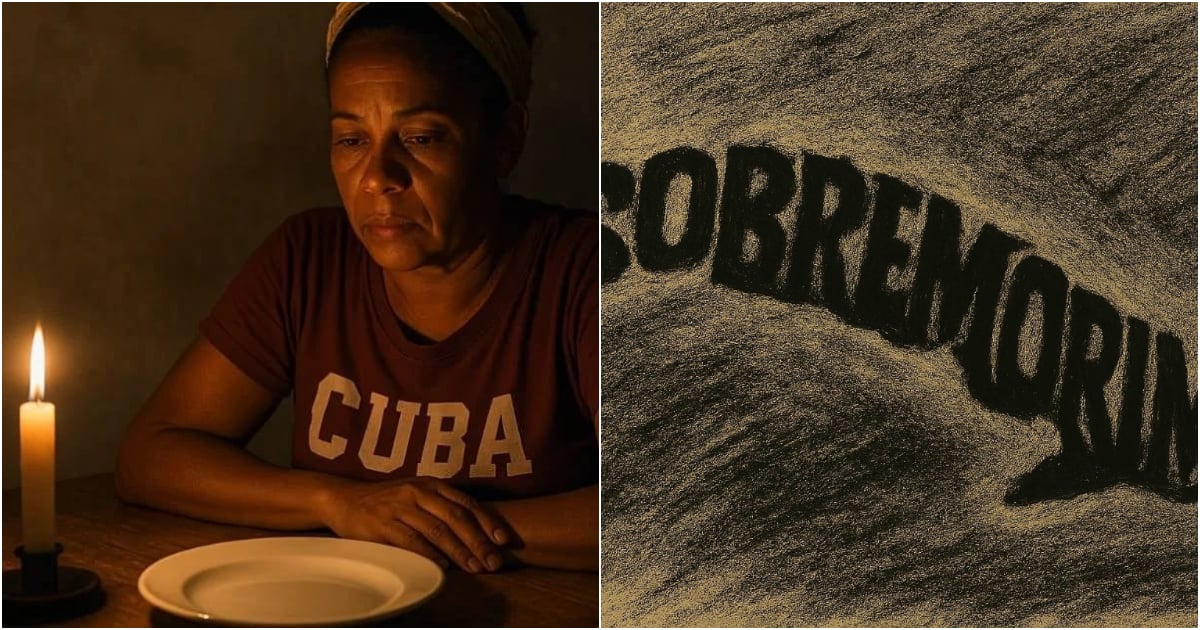
Daily life in Cuba is a relentless battle against scarcity and improvisation. The Cuban people are burdened with a system that fails to provide even the most basic necessities, forcing them to navigate through constant shortages, inequalities, and ongoing crises. According to engineer Yulieta Hernández, life on the island is characterized by the "normalization of abnormality."
Every aspect of life, from energy and food to health, education, transportation, housing, connectivity, and social values, is affected by a persistent collapse that offers no respite. This is not a temporary emergency but a deep-rooted, ongoing poly-crisis. The daily existence is reduced to enduring, adjusting, and surviving under increasingly inhumane conditions, Hernández reflected on her Facebook profile. She is also the director of the private micro-enterprise Pilares Construcciones.
The Harsh Realities of Daily Life
Power outages have transcended mere electrical interruptions and have become disruptions to life itself. Activities like cooking in the early hours, washing without water, or improvising with charcoal have turned into daily routines, while the heat and insomnia destroy any chance of rest.
The food crisis has made the quest for sustenance a daily ordeal, with prices in dollars alienating those without remittances. Water, arriving unpredictably, becomes a race against time: filling tanks, washing, cooking. Hygiene, crucial to preventing epidemics such as dengue, scabies, or hepatitis, relies on the resilience of families rather than systemic support.
Public health, stripped of medications and equipment, forces people to resort to home remedies, bartering, and neighbor networks. According to Hernández, education suffers as schools lack teachers, books, and supplies, with children arriving exhausted from hunger and lack of rest. Connectivity, turned into a luxury due to high prices set by Cuba's telecommunications monopoly, Etecsa, marginalizes those needing to study, work, or simply connect with family.
A System in Disarray
Transportation is another ordeal: few buses, unpredictable routes, and long walks with children, the elderly, or heavy loads, while infrastructure crumbles under cracks and rain, without access to materials or technical support. Meanwhile, the economy exacerbates the labor burden: working on the street, at home, on social media, without rest or protection. This is compounded by monetary chaos, deepening inequalities and impoverishing large segments of the population, with multiple exchange rates and enforced banking that exclude the majority.
The young entrepreneur notes that social values are also eroded by precariousness: corruption, illegality, violence, and distrust rise. Security is not guaranteed, and complaints often end in revictimization. Migration fragments families and multiplies silent grief. Those who leave do so to survive; those who stay must bear absences and new burdens without support. The physical and emotional health of Cubans deteriorates: they sleep poorly, eat with anxiety, and live in fear, she added.
Facing the Unthinkable
It's no longer about surviving in Cuba; it's about "over-dying" in a nation unraveling under sustained and multiple crises, where the system fails and the people endure at their own expense, Hernández concluded. The reactions to her words mirrored a shared sentiment: exhaustion, repression, and a sense of hopelessness. "If you express all this in a public place, they use force, repression, police abuse, they imprison you and destroy what little life you have left," warned Yusy Yusy. "We all feel identified, and I see no solution," summarized Yiliam Blanco. "Tired and exhausted, and it's unknown until when, without solution, trying to justify the unjustifiable... we are truly the only ones in the world applauding the same mess that's been imposed on us," noted Cleudis Chausen. For Ángela Cimarro, it is a "contemporary portrait of the average Cuban," while Nelsy Pensado deemed it an "excellent definition of what Cuba and Cubans have become." Damián Damián noted a missing detail in the portrait, "prostitution from almost childhood ages, with young people finding an easy, albeit sad, way out." Juana Torres praised the writing, adding: "We are tired of hearing explanations and excuses trying to justify inefficiency, tired of seeing no solutions, tired of seeing our lives slipping away with no chance for something better... this that we have today is definitely not living, and who cares?"
Understanding Cuba's Ongoing Crisis
What are the main challenges faced by Cubans in their daily lives?
Cubans face numerous challenges including energy shortages, food insecurity, lack of healthcare resources, inadequate education, and poor transportation infrastructure. These issues are compounded by high costs of connectivity, economic instability, and social value erosion.
How does the economic situation affect ordinary Cubans?
The economic situation in Cuba leads to increased work burdens without adequate compensation or protection, monetary chaos with multiple exchange rates, and forced banking practices that exclude many, deepening inequalities and impoverishing large sections of the population.
What impact does the crisis have on social values in Cuba?
The ongoing crisis in Cuba has eroded social values, leading to increased corruption, illegality, violence, and distrust. The lack of security and ineffective response to complaints further exacerbate these issues, causing social fragmentation and silent grief among families.