Editorial Note: The allegation regarding this proposed legislation has only been reported by The Intercept and lacks confirmation in official legislative documents. This suggests that the proposal has yet to be formally introduced or recorded in governmental archives, and thus, should be approached with caution until primary sources corroborate it.
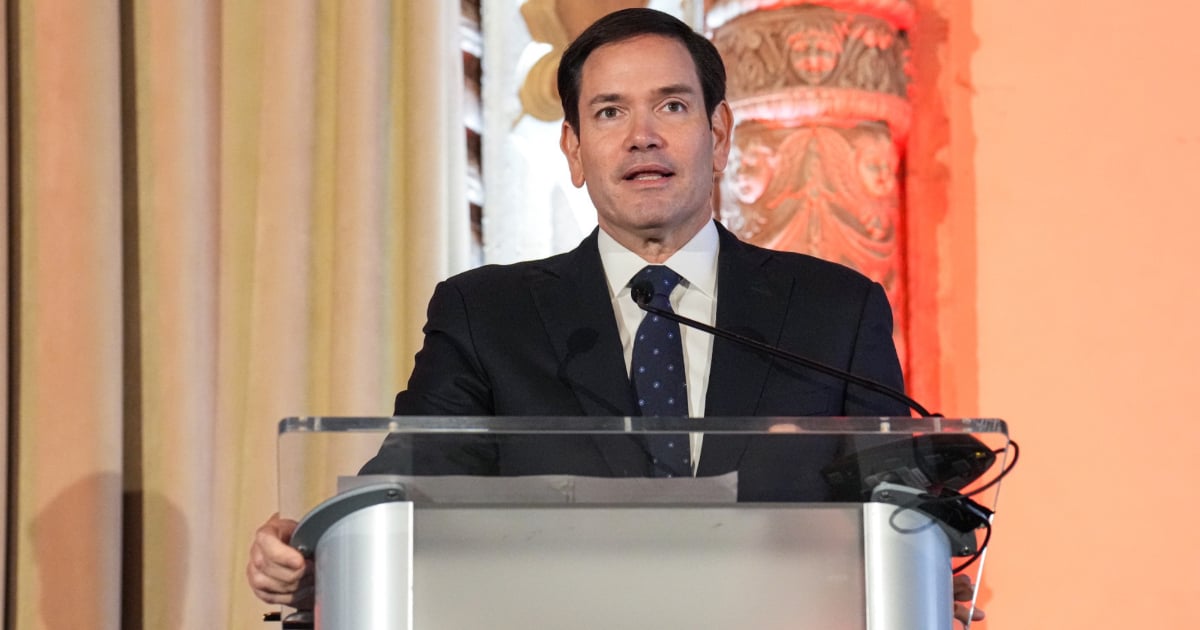
According to The Intercept, a new legislative proposal, allegedly initiated by Republican Congressman Brian Mast, who chairs the House Foreign Affairs Committee, could grant Secretary of State Marco Rubio the power to rescind or deny passports to U.S. citizens. This proposal is reportedly part of a larger State Department reorganization package and is expected to be debated in Congress this week.
The potential legislation has sparked significant backlash from civil liberties organizations such as the ACLU and the Freedom of the Press Foundation. These groups argue that the bill's vague language could allow for discretionary enforcement that might infringe upon First Amendment rights, including freedom of speech.
A contentious element of the proposed law would permit the denial or revocation of passports for U.S. citizens accused—without necessarily being convicted—of providing "material support" to groups designated as terrorist organizations by the State Department. This authority would rest solely with the Secretary of State, bypassing the need for court evidence or prior legal proceedings.
As reported by The Intercept, this provision aligns with measures previously advocated by Rubio since assuming office, such as revoking visas of foreign nationals for expressing critical views against Israel. A notable instance is the case of Turkish student Rümeysa Öztürk, whose visa was annulled after she published an opinion piece in a university newspaper.
Seth Stern, director of the Freedom of the Press Foundation, cautioned that the initiative could lead to a "thought police" scenario controlled by a single official, posing a severe risk to journalists, activists, and critics of U.S. foreign policy. The ACLU also warned that the rule could penalize individuals without having committed any crime or being convicted.
Although the proposal includes an appeal mechanism to the Secretary of State within a 60-day period, legal experts argue that such a recourse lacks fundamental procedural safeguards. Currently, there is no evidence of this alleged bill on official U.S. Congress websites—such as Congress.gov, the Congressional portal, or the Library of Congress—nor on Representative Brian Mast's website or in the "sponsored legislation" records available at mast.house.gov.
A thorough search on Congress.gov, which lists all initiatives introduced or under discussion by Mast, reveals no bill containing provisions for revoking passports due to critical expressions against U.S. foreign policy. Meanwhile, The Intercept remains the sole outlet reporting on this information, a publication recognized for its investigative work and leaks, including the groundbreaking revelations by Edward Snowden concerning NSA surveillance.
Understanding the Implications of Revoking U.S. Passports
What is the proposed legislation about?
The proposed legislation reportedly aims to give the Secretary of State the authority to revoke or deny U.S. passports to citizens accused of supporting terrorist organizations, even without a conviction.
Why is this bill controversial?
The controversy stems from concerns that the bill's vague language could lead to arbitrary enforcement, potentially infringing on First Amendment rights like freedom of speech.
How does the appeal process work under this proposal?
The proposal includes an appeal process where individuals could contest the decision within 60 days directly to the Secretary of State. However, experts believe it lacks essential procedural protections.