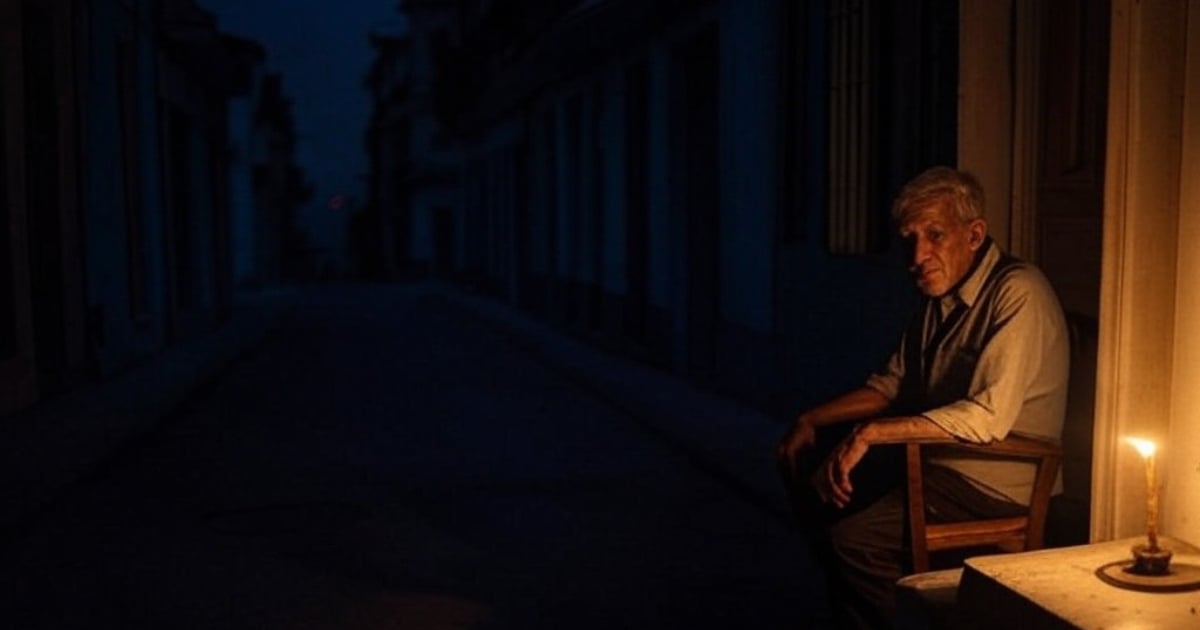
In a recent attempt to address Cuba's ongoing energy crisis, state-controlled media outlets have laid blame on the U.S. embargo for fuel and resource shortages while highlighting the efforts of the National Electric System (SEN) workers. These outlets have simultaneously criticized citizens for voicing frustration over extended power outages.
During a segment of the podcast "Chapeando Bajito" on Cubadebate, hosted by Arleen Rodríguez Derivet, official journalist Bárbara Betancourt argued that cursing the country’s leaders during blackouts is unjust. She praised the technicians risking their lives to sustain electricity generation amid increasing deficits.
Rodríguez emphasized that while sharing in the public's dissatisfaction is valid—since everyone experiences blackouts—cursing the nation or its leaders does nothing but deepen both individual and collective discontent.
Technical Explanations and Fatalities
Engineers and specialists, like engineer and professor María del Carmen Hernández, have taken to social media to offer technical explanations about turbine operations and superheated steam. Their goal is to justify the blackouts as consequences of system operation and fuel shortages.
Rodríguez acknowledged that it's understandable for people to harbor doubts or confusion, and even deny explanations when they are without power. She also mentioned a tragic incident involving a young turbine operator who died after a severe workplace accident at the Antonio Maceo Grajales Thermoelectric Plant in Santiago de Cuba.
Government Spending and Public Outcry
Despite the plight of SEN workers, the reporter refrained from mentioning the Cuban government's allocation of over $200 million to construct the luxury hotel Torre K—a 42-story structure in the heart of Vedado, Havana, which remains largely empty. This building stands as a symbol of privilege and extravagance amid the daily blackouts affecting the entire nation.
The official narrative also includes claims that certain improvements cannot be disclosed due to "persecution," such as economic agreements made during Miguel Díaz-Canel's Asia tour in November 2022, which were publicized and then vanished a week later.
Public Sentiment and Government Critique
User comments reveal deep dissatisfaction with how blackouts are managed and justified by the state. One commentator described the sporadic power supply in provinces, lasting only a few hours day and night, hindering basic activities like cooking and watching television, with no clarity on the duration of each outage.
Aimara criticized unfulfilled promises of summer relief and expressed skepticism about any long-term solution. Recently, journalist Ana Teresa Badía condemned the government's failure to reduce blackouts as vowed.
Israel Kant highlighted the real-life impact of blackouts on families, with children and mothers losing food, milk, and yogurt while the government solely attributes the crisis to the embargo, ignoring internal issues like corruption and resource mismanagement.
Carlos La Rosa emphasized the need for investment in renewable energy and clearer, more empathetic communication with citizens, acknowledging planning errors. Cecilia criticized the disconnect between official explanations and the public's experience on communication platforms like Telegram, where numerous comments go unanswered.
Libra noted that while the embargo plays a role, internal lethargy, indecision, and lack of self-critique exacerbate the crisis and undermine the revolution's achievements. Yes highlighted the compounding challenges faced by the population: ongoing blackouts, food spoilage, limited water, poor transport, medicine shortages, and crumbling cultural infrastructure, urging more transparent and effective communication.
This tension between the official narrative and public perception underscores that Cuba's energy crisis is not merely a technical issue but also a social and political one.
Understanding Cuba's Energy Crisis
What is the primary cause of the energy crisis in Cuba?
The Cuban government attributes the energy crisis to the U.S. embargo, which it claims limits access to necessary fuel and resources. However, critics argue that internal mismanagement and outdated infrastructure also significantly contribute to the problem.
How have Cuban citizens reacted to the ongoing blackouts?
Citizens have expressed deep dissatisfaction and frustration, citing difficulties in carrying out daily activities and skepticism about government promises to resolve the crisis. Many feel that explanations provided by officials are insufficient and disconnected from their lived experiences.
What solutions have been proposed to address the energy issues?
While technical explanations have been offered, there is a call for investment in renewable energy sources and improved communication with the public. Some commentators stress the need for addressing internal issues like corruption and resource mismanagement as part of the solution.