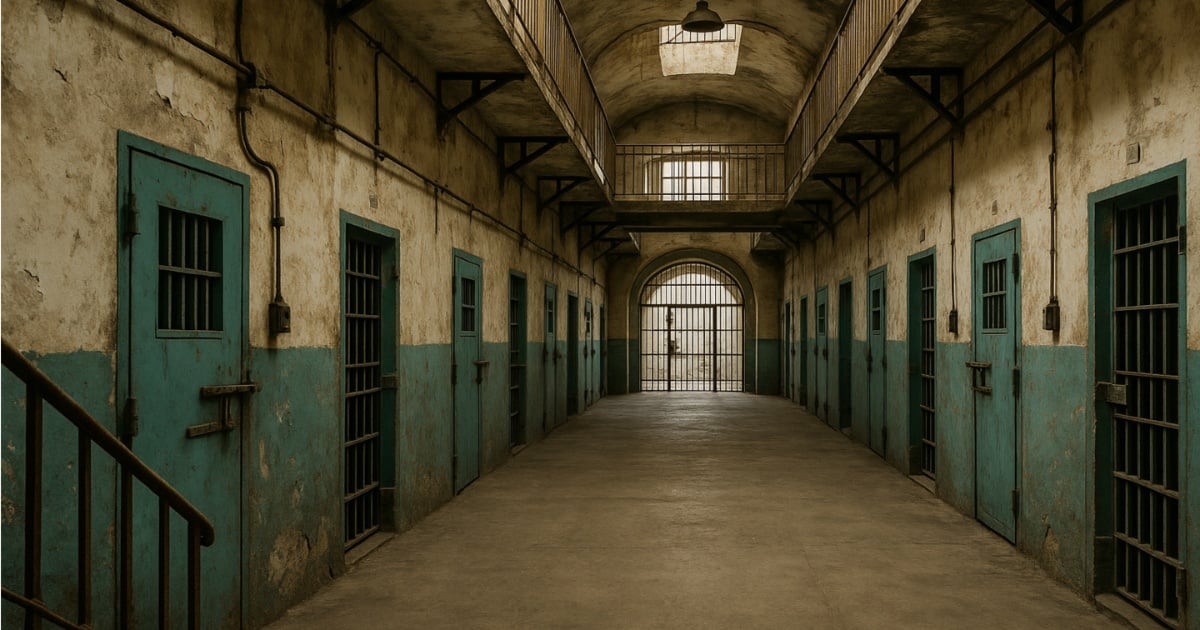
The human rights organization Cubalex has reported the death of Alfredo Ulecia Planche, also known as "Alfredito," while in custody at the provincial prison in Guantánamo this past Sunday. According to information provided to Cubalex, the inmate was serving a 25-year sentence for a common crime and had been working in the prison kitchen. After being accused by another inmate of selling food, the head of internal order removed Ulecia from his position.
In protest, Ulecia ingested psychotropic drugs, which led to retaliatory actions from the prison authorities. As punishment, he was subjected to a method of torture known as "mechanical restraint," often referred to as "the rack" or "Turkish bed," where the detainee is kept tied up and immobilized.
For three days, he was kept isolated in an unsanitary room of the prison's medical station, without access to food or professional supervision. It was only when another inmate noticed his lack of response and alerted the staff that it was confirmed he had died.
Although the official explanation given to the family was a death due to overdose, the precise circumstances surrounding his death remain unclear. His body was handed over to his family the same day and buried on Monday, September 8.
Ongoing Crisis in Cuban Prisons
Cubalex directly blamed the Cuban government, stating that it is obligated to ensure humane conditions for prisoners and immediately, independently, and transparently investigate any deaths in custody. Between January 2022 and January 2024, the organization documented 56 inmate deaths in Cuban prisons, highlighting a prison crisis defined by violence, malnutrition, disease, negligence, and torture.
The organization's experts noted that the most common cause of death is the denial of medical care, with 21 cases where authorities ignored urgent needs, chronic illnesses, or critical conditions. Additionally, 13 suicides were reported, linked to overcrowding, prolonged isolation, and lack of psychological support.
Other instances included two deaths during hunger strikes as a form of protest, five cases of institutional violence—resulting from beatings, excessive force, or negligence during confrontations—and three deaths from work-related accidents, such as electrocutions.
The case of Alfredo Ulecia Planche once again brings to light the inhumane conditions within Cuba's prisons and the impunity with which prison authorities operate. In a country where lack of transparency and accountability prevail, each death behind bars becomes a state crime.
Understanding the Crisis in Cuban Prisons
What led to Alfredo Ulecia Planche's death in prison?
Alfredo Ulecia Planche died in Guantánamo prison after being subjected to mechanical restraint—a form of torture—following an accusation of selling food and ingesting psychotropic drugs in protest.
How are deaths in Cuban prisons typically explained?
Deaths in Cuban prisons are often attributed to neglect, lack of medical care, suicides, and institutional violence, with official explanations sometimes citing overdoses or accidents.
What obligations does the Cuban government have regarding prisoner welfare?
The Cuban government is responsible for ensuring humane conditions for prisoners and conducting immediate, independent, and transparent investigations into any deaths in custody.