A recent survey conducted by our editorial team has revealed that a significant majority of Cubans, nearly six out of ten, believe that the United States should adopt stricter policies toward the Havana regime. The survey, shared this past Friday on CiberCuba's social media platforms, highlights the growing dissatisfaction among the populace with the current government and the perception that existing measures are insufficient to drive political and social change on the island.
The survey received responses from 1,752 participants, with 58% (1,024 individuals) expressing the view that the U.S. needs to be more stringent with the Cuban government. Conversely, 20% (333 respondents) disagreed, and another 22% (387 people) felt that the U.S. policy towards Cuba is already "quite strict."
The findings indicate that a notable portion of those surveyed see international pressure, especially from Washington, as a crucial tool to weaken the Communist Party's repressive mechanisms. This perspective is in stark contrast to the official narrative, which blames the U.S. embargo for the country's ongoing economic and social crises.
The data underscores that citizen discontent is primarily directed at the regime rather than the United States. For many Cubans, a tougher U.S. stance could expedite internal changes, diminish the security apparatus's control over the populace, and pave the way for greater political and economic freedoms.
U.S. Actions Against the Cuban Regime
Upon starting his second term, President Trump reversed the previous administration's decision and reinstated Cuba on the "list of state sponsors of terrorism," leading to additional financial sanctions and stricter international restrictions for the country.
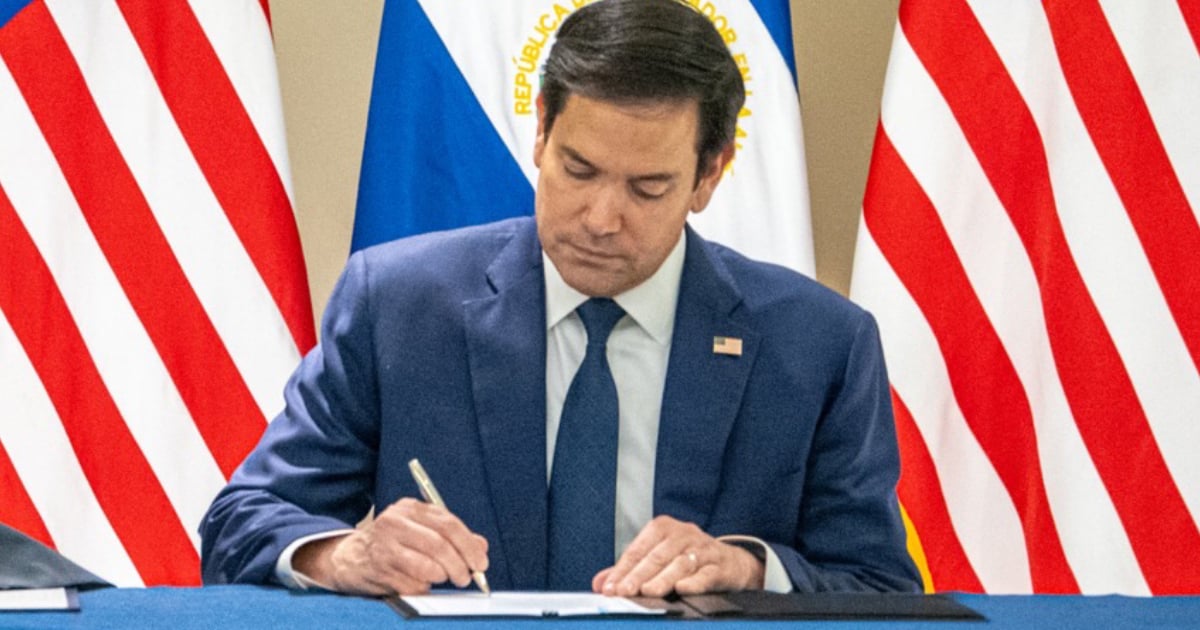
On January 31, 2025, Secretary of State Marco Rubio announced that several Cuban entities, including those under the military conglomerate GAESA, would be added back to these lists, limiting their interaction with global financial and commercial systems.
In February, Trump signed an executive order affecting "foreign adversary countries," including Cuba, by restricting access to strategic U.S. technologies such as artificial intelligence, semiconductors, and biotechnology advancements. On June 5, 2025, he issued a presidential directive to partially limit the entry of nationals from several countries, including Cuba, under specific national security conditions.
Furthermore, in September 2025, Trump extended the economic embargo on Cuba for another year, maintaining existing sanctions and commercial and financial restrictions under official regulations.
FAQs on U.S. Policies Toward Cuba
What percentage of Cubans believe the U.S. should be tougher on Cuba?
According to the survey, 58% of Cubans think the U.S. should adopt stricter policies towards the Cuban regime.
What are some recent actions taken by the U.S. against Cuba?
Recent U.S. actions include reinstating Cuba on the terrorism sponsor list, imposing financial sanctions, restricting access to strategic technologies, and extending the economic embargo.
How do Cubans view international pressure on their government?
Many Cubans see international pressure, especially from the U.S., as a necessary tool to weaken the Communist Party's control and promote political and economic freedom.