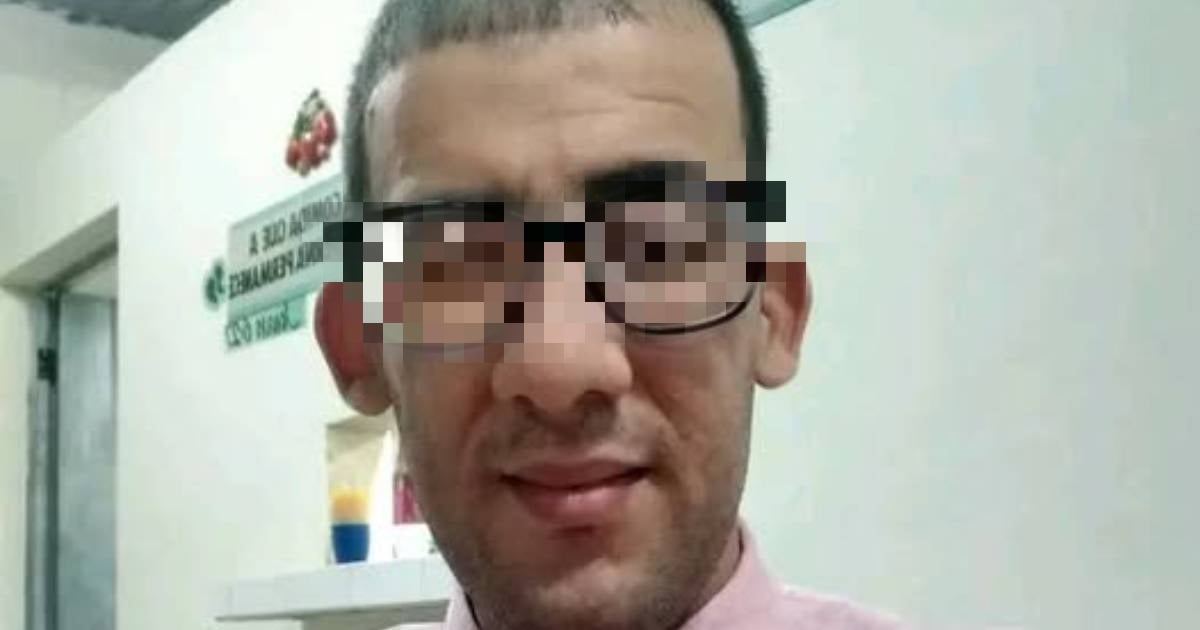
The ongoing crisis in Cuba's healthcare system has tragically claimed another life. Alexis Almeida Riveiro, a 27-year-old resident of Cruces, Cienfuegos, passed away at the provincial hospital “Gustavo Aldereguía Lima” after failing to receive a critical medical device in time. Alexis had been living with hydrocephalus since childhood and was in urgent need of a new shunt valve, as the one he had relied on for years had stopped functioning. Despite desperate efforts by family and friends to obtain the necessary equipment, it never arrived.
On social media, his friend Edismany Delgado shared a heartfelt farewell, capturing the anguish over a preventable loss: “You didn’t deserve this. You were about to get married, and the lack of supplies stole your dreams.” The wedding was scheduled for just 30 days away.
Alexis's story is emblematic of the plight faced by thousands of Cubans caught in a web of shortages and inadequate healthcare facilities. According to another acquaintance on Facebook, his family even had a valve sent from abroad, but it was held up by U.S. Customs. Unable to access the device in Cuba, Alexis was left vulnerable to a collapsing healthcare system.
The Human Cost of a Failing System
The independent outlet La Proa del Centro highlighted this case as another example of the human toll resulting from a model unable to provide basic life-saving resources. While a young man in Cienfuegos died waiting for a valve, Fidel Castro’s grandson defended on CNN that Cuba “remains a medical powerhouse,” and the Ameijeiras Hospital recently celebrated Fidel Castro’s “legacy of excellence” in public health. However, the harsh reality faced by Cubans starkly contradicts these claims.
Just last week, a child in Santiago died after consuming an expired medication bought on the informal market, due to state pharmacies being consistently empty. Health Minister José Ángel Portal Miranda himself admitted before the National Assembly that the country only has access to 30% of the essential medicines, leaving millions unprotected.
A Broken Healthcare System
Alexis's death underscores this divide: while the regime attempts to project itself as a medical powerhouse, Cubans endure shortages of the most basic supplies. Alexis didn't perish merely because of a valve that never came, but because of a system that turned his hope for life—and marriage—into a countdown. His passing adds to a growing list of victims of a healthcare crisis that continues to destroy dreams and futures across the Island.
Understanding the Healthcare Crisis in Cuba
What was the cause of Alexis's death?
Alexis Almeida Riveiro died due to the lack of a critical medical device needed to treat his hydrocephalus. The shunt valve he relied on had failed, and despite efforts to obtain a new one, it never arrived in time.
How does this incident reflect on Cuba's healthcare system?
This tragic event highlights the severe deficiencies in Cuba's healthcare system, where basic medical supplies are often unavailable, and patients are left without essential treatments.
What are the implications of Cuba's healthcare shortages?
The shortages lead to preventable deaths and suffering, as patients cannot access necessary medications and medical devices, despite government claims of being a healthcare leader.