As a massive blackout plunged the entire island of Cuba into darkness this past Wednesday, Aris Arias Batalla, an official from the Ministry of Public Health in Santiago de Cuba, issued a stern warning: "Do not underestimate the intelligence of the people." This declaration came in response to a televised appearance by engineer Alfredo López Valdés, who attempted to explain the power generation shortfall on the National Television News. López Valdés cited the wear and tear on thermoelectric plants, some of which have been in operation for over 40 years, as well as unavoidable maintenance work, aging facilities, and financial constraints due to the U.S. embargo.
In a direct challenge on Facebook, Arias Batalla questioned the allocation of funds meant for the upkeep and repair of these thermoelectric plants over the years. "What happened to all the financial and material resources allocated by the Cuban government for scheduled maintenance? Why wasn't the work completed?" he emphasized. Arias Batalla, who serves as the Head of Operations and Relief for the Ministry of Public Health in Santiago de Cuba, argued that if the necessary maintenance had been performed "in a timely manner," the country would not be facing the current electrical crisis. "The blame always falls on the working people, but we are not at fault," he added.
In his message, Arias Batalla also highlighted issues such as the lack of control, restoration, supervision, and internal audits, many of which he described as "inefficient and manipulated." He cited examples such as boiler tubes being certified in the past despite not meeting proper conditions, as acknowledged by engineer López Valdés on television. "Keep that document because we do not agree," Arias Batalla concluded, casting doubt on the official narrative and reflecting growing discontent within state sectors amid the prolonged energy crisis.
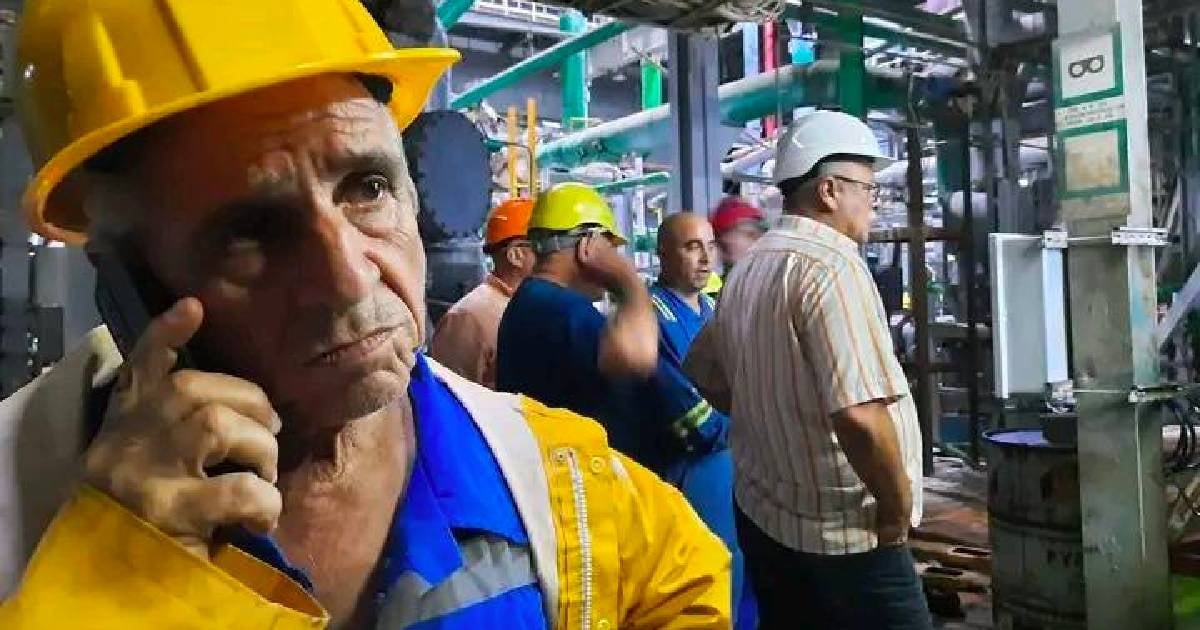
Despite his criticisms, the official acknowledged the efforts of technicians and workers laboring under extreme conditions to restore electricity: "Kudos to all those tireless workers striving to restore power as quickly as possible. Thank you for your altruism and dedication." His message, widely shared on social media, adds to a chorus of internal criticisms not only questioning the technical vulnerabilities of the electrical system but also the government's management and allocation of resources for its maintenance.
Understanding the Cuban Energy Crisis
What are the main causes of Cuba's frequent blackouts?
Cuba's frequent blackouts are primarily attributed to the aging infrastructure of its thermoelectric plants, some of which have been in operation for over four decades without adequate maintenance. Additionally, the U.S. embargo has exacerbated financial difficulties, limiting the resources available for necessary repairs and upgrades.
How has the Cuban government responded to the energy crisis?
The Cuban government has attempted to justify the energy crisis by pointing to unavoidable maintenance work and the impact of the U.S. embargo. However, criticism has emerged regarding the mismanagement and inefficient use of resources that were intended for the upkeep of the electrical system.
What is the public's reaction to the ongoing power outages in Cuba?
Public reaction in Cuba has been increasingly critical, with many citizens expressing frustration over the government's handling of the crisis. Social media has become a platform for sharing these grievances and questioning the official explanations provided by state representatives.