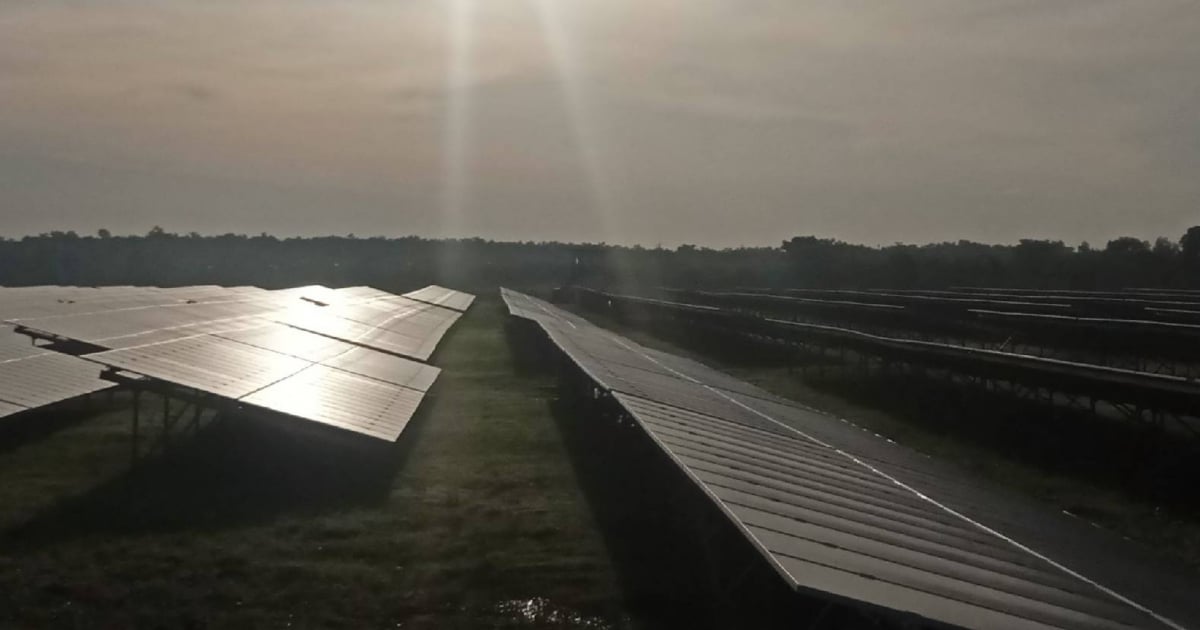
On Wednesday, a nationwide blackout left Cuba without electricity, and the situation worsened in the afternoon with the collapse of the hybrid electric microsystem in Granma. This system aimed to synchronize Photovoltaic Solar Parks (PSP) with distributed generation. The incident was reported at 4:58 PM due to the unexpected shutdown of the La Sabana Park, caused by cloudy conditions, as stated by official journalist Jorge Luis Ríos Frías.
The disconnection plunged thousands of families in the eastern province back into darkness. They had partially regained service following initial synchronization attempts with the National Electric System (SEN) earlier in the day, according to Cubadebate. Just two hours prior, local radio had celebrated a milestone, claiming “For the first time in Cuba, electrical generation has been achieved by a 'hybrid microsystem,' involving the synchronization of Photovoltaic Solar Parks with distributed generation.”
However, the anchoring apparently failed, and the synchronization of the photovoltaic park was short-lived. Authorities have now initiated restoration efforts “gradually,” though no clear timeline has been provided.
The failure in Granma compounds earlier disruptions in Havana, where the capital's microsystem collapsed at 1:06 PM, interrupting temporary relief in neighborhoods like Guanabacoa, Arroyo Naranjo, and Boyeros. These incidents highlight the fragility of makeshift solutions following the shutdown of the Antonio Guiteras power plant, the largest in the country.
The Electric Union reports a current availability of 1,730 MW against a demand of 2,950 MW, resulting in a deficit of 1,238 MW and widespread power cuts affecting the entire country. The forecast for peak hours was even more dire, with an estimated impact of 1,790 MW.
The Ministry of Energy and Mines announced the activation of Energás Boca de Jaruco to supply power to thermoelectric plants and substations, ensuring that over 200 MW in electric microsystems are allocated to “vital objectives” such as hospitals, bakeries, and water pumps. Nevertheless, the persistent collapses reveal a system unable to sustain itself.
The failure of Granma's microsystem confirms what many Cubans feel: each restoration attempt becomes a cycle of false hopes followed by new frustrations. The population remains caught between endless blackouts and official promises that do nothing to address the structural deterioration of the electric system.
This latest blackout marks Cuba's fifth nationwide power outage in less than a year, signaling the technical and political collapse of a model incapable of even ensuring electricity.
Understanding Cuba's Ongoing Power Crisis
What caused the recent blackout in Cuba?
The recent blackout was caused by the failure of a hybrid electric microsystem in Granma, which attempted to synchronize Photovoltaic Solar Parks with distributed generation. This was further exacerbated by issues in Havana's electric system.
How does the current power availability compare to demand in Cuba?
Cuba currently has an availability of 1,730 MW, while the demand stands at 2,950 MW, leading to a deficit of 1,238 MW and resulting in widespread outages across the country.
What measures are being taken to address the power shortage in Cuba?
The Ministry of Energy and Mines is working to supply power to thermoelectric plants and substations, using over 200 MW in electric microsystems for essential services like hospitals, bakeries, and water pumps.