On Wednesday, Poland intercepted several Russian drones that breached its airspace amid a Moscow-led assault on Ukraine. This marks the first instance of a NATO member country neutralizing Russian drones on its own soil, prompting a significant alarm across Europe and leading Warsaw to invoke Article 4 of the North Atlantic Treaty.
Polish Prime Minister Donald Tusk described the event as a "large-scale provocation" and warned that this is the most critical moment for Poland since World War II. "We are closer to open conflict than ever," Tusk remarked, as he urgently convened his cabinet and maintained ongoing communication with NATO Secretary General Mark Rutte.
According to official sources, at least 19 drones violated the airspace over the border provinces of Podlaquia, Mazovia, and Lublin. Some of these drones were intercepted by Polish F-16 fighter jets, while others caused minor material damage by striking civilian infrastructure, including a residential building in Wyryki.
The Operational Command of the Polish Armed Forces heightened its alert level to maximum, confirming the discovery of debris from seven drones and one missile of undetermined origin. Authorities also temporarily closed several airports, including Warsaw's.
Response from NATO and the EU
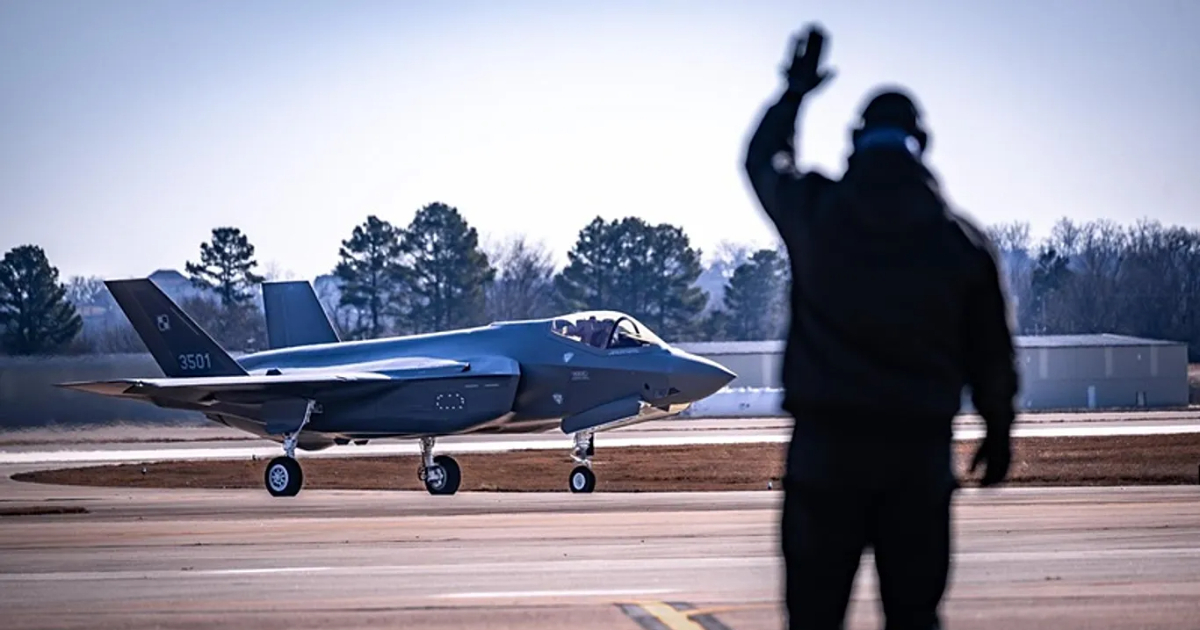
The Atlantic Alliance actively participated in the response operation with air support from Dutch F-35 fighters, Italian AWACS aircraft, and refueling systems. Although NATO has not classified the event as a "direct attack," it has initiated an investigation to assess its nature and implications.
Meanwhile, the European Union condemned the incident. Ursula von der Leyen, President of the European Commission, labeled it as a "reckless and unprecedented violation" and announced a €6 billion investment for a "drone alliance" with Ukraine. The EU's diplomatic community believes the attack was "intentional."
From Moscow, the Russian government has denied any direct involvement, claiming the drones "flew from Ukraine" and suggested they might have veered off course due to electronic interference. However, Polish authorities insist the devices originated from Belarusian territory, an ally of Russia, not from Ukraine.
International Reaction and Rising Tension
Ukraine, on its part, warned that the incident represents a new provocation maneuver by the Kremlin. Ukrainian President Volodymyr Zelensky stated that Russia "is testing the resolve of the West."
EU High Representative for Foreign Affairs Kaja Kallas asserted that "there are indications the attack was deliberate." Leaders like Emmanuel Macron and Pedro Sánchez echoed this sentiment, strongly condemning the aggression and expressing solidarity with Poland.
The NATO Secretary General reiterated that a "comprehensive assessment of the incident" is underway and assured that the organization is prepared to respond in a coordinated manner to similar future scenarios.
The atmosphere in Eastern Europe is extremely tense. Polish airspace has previously been breached by Russian projectiles, but this is the first time a direct military response has occurred.
The international community is closely watching to determine whether this provocation will be a turning point in the war in Ukraine or if escalation can still be contained.
Key Questions about the Polish-Russian Drone Incident
Why is this drone incident significant for Poland?
This incident is significant because it is the first time a NATO member country has neutralized Russian drones on its territory, marking a potential escalation in tensions between Russia and NATO countries.
What actions did Poland take in response to the drone incursion?
Poland heightened its military alert level, temporarily closed several airports, and intercepted the drones with F-16 fighter jets. It also invoked Article 4 of the North Atlantic Treaty.
How did NATO and the EU react to the incident?
NATO participated in the response operation and launched an investigation, while the EU condemned the incident and announced a significant investment in a "drone alliance" with Ukraine.