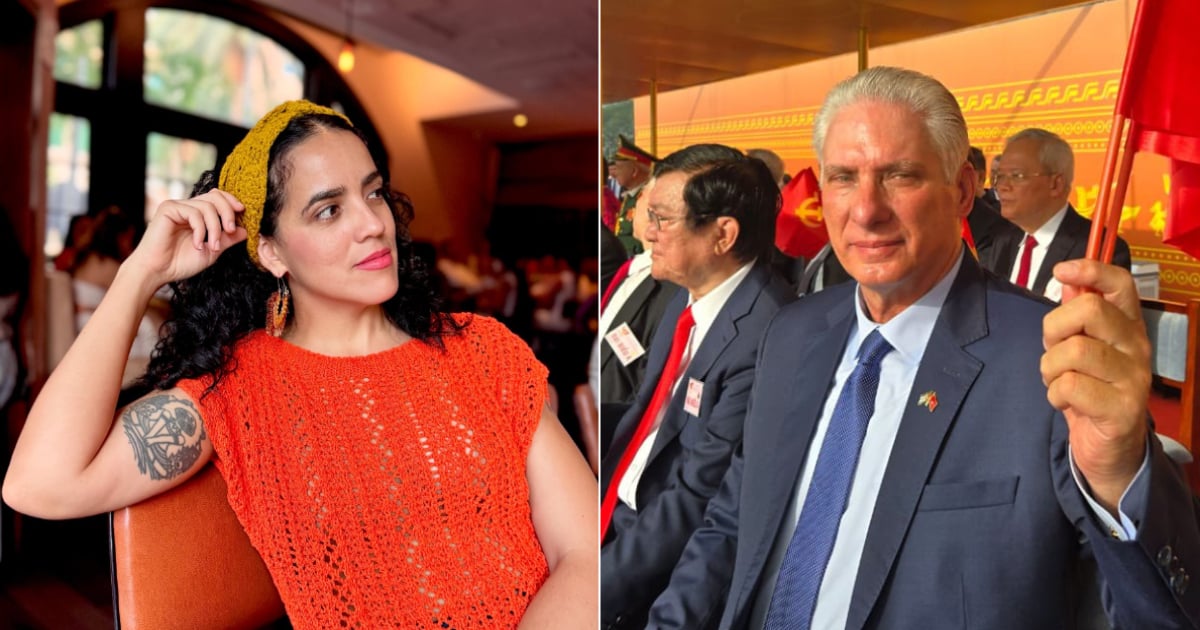
The recent Asian tour by Miguel Díaz-Canel, which was officially billed as an effort to secure foreign investments in Vietnam, China, and Laos, has sparked a strong reaction from Cuban journalist Mónica Baró Sánchez. She criticized the contradiction of a leader traveling thousands of miles to entice foreign investors while continuing to shut out his own citizens.
In her statement, Baró lamented, "So much sacrifice was made during Cuba's wars for independence, only for a century later, any foreigner to be valued more than a Cuban by Fidel Castro’s decision, and today, foreigners still have more rights in Cuba than any of us." Her words echo the sentiments of many in the diaspora who have found success in other countries but face legal barriers when trying to invest even in small businesses in their homeland.
Contradictory Policies and Missed Opportunities
The disparity is stark. In Beijing, Díaz-Canel met with around 70 Chinese entrepreneurs, assuring them that "Cuba is open to all proposals." His itinerary included agreements in the biotech sector, with joint ventures already distributing Cuban medications to over 2,000 hospitals in China. He also sought financial commitments in Vietnam, a country that even organized a $14 million collection to support the Cuban regime. In Laos, the Cuban leader signed memorandums for political and economic cooperation.
Domestic Restrictions Versus Foreign Invitations
However, while seeking investments in Asia, Cuba maintains a legal framework that prevents nationals living on the island or in exile from participating in significant economic projects. Access to licenses is limited to small self-employed roles, and strategic sectors like energy, telecommunications, banking, foreign trade, or tourism remain reserved for foreign or military enterprises, excluding Cuban human and financial capital.
To critics like Baró, this policy is a continuation of the logic established by Castro in 1959: a national estate managed as the regime's private property, deciding who gains economic opportunities and who is left out. "There are plenty of Cubans eager to start and invest in their country," the journalist argued, but the government prefers "to make a deal with 70 Chinese rather than allow Cubans rights over their land."
The Historical Context and Current Implications
The historical backdrop underscores the irony: after 66 years of dictatorship, Cubans watch as national wealth is handed over to allied autocracies, while they remain without the right to decide or invest in the country for which so many sacrificed their lives. Díaz-Canel’s trip aimed to project openness, but only outwardly. Internally, Cuba remains closed to its own people.
Frequently Asked Questions About Cuba's Economic Policies
Why are Cuban citizens unable to invest in their own country?
Cuba's legal framework restricts nationals living on the island or in exile from participating in significant economic projects, reserving strategic sectors for foreign or military enterprises.
What sectors in Cuba are open to foreign investors?
Sectors such as energy, telecommunications, banking, foreign trade, and tourism are open to foreign investors, often excluding Cuban nationals from participating.