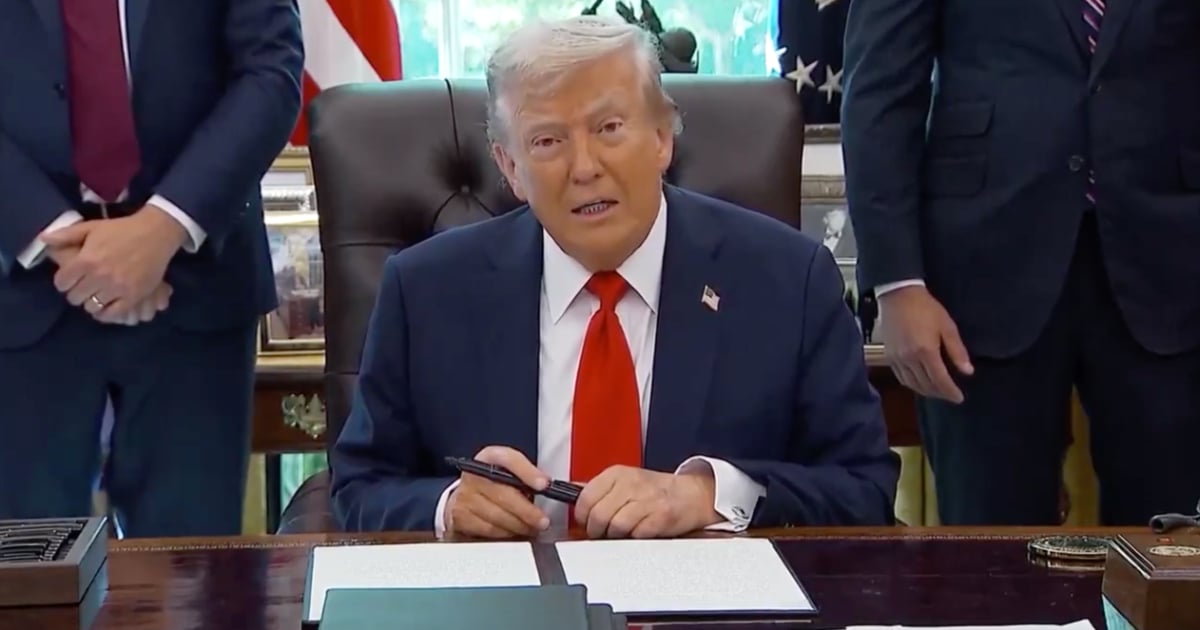
President Donald Trump's ambitious immigration agenda faces numerous legal challenges in U.S. courts. From restricting birthright citizenship to implementing rapid deportations, his policies have sparked a flurry of lawsuits, split decisions, and temporary injunctions that leave millions in suspense. Here's an overview of the major legal battles the Trump administration is facing regarding immigration.
Controversial Use of the Alien Enemies Act
The Trump administration sought to invoke the 1798 Alien Enemies Act, historically used only during declared wars, to deport individuals allegedly linked to the Tren de Aragua gang, primarily Venezuelan nationals. These individuals were sent to a prison in El Salvador, with authorities claiming they were an "invasive force" and that U.S. courts had no authority to release them. However, the Fifth Circuit Court of Appeals in New Orleans recently blocked this application, stating the law was not intended for such cases. The American Civil Liberties Union (ACLU), which filed the lawsuit, praised the ruling as a check on the executive's discretionary power in deportation matters. The White House maintains that the president has the authority to act in defense of national security and plans to appeal the decision to higher courts.
Executive Order Targeting Birthright Citizenship
In an unprecedented move, President Trump issued an executive order aiming to redefine birthright citizenship, excluding children of undocumented immigrants or those with temporary status. Several states, including Washington, Illinois, and Arizona, challenged the order, arguing it violates the 14th Amendment of the Constitution, which guarantees citizenship to anyone born on U.S. soil. A federal appeals court in San Francisco deemed the order unconstitutional and upheld a nationwide injunction.
Deportation to Countries with No Personal Ties
The administration has carried out deportations to countries like El Salvador and South Sudan, even when migrants have no familial or historical ties to these locations. The Trump administration claims many of these individuals have criminal records or come from nations unwilling to accept them. Yet, advocacy groups have filed lawsuits citing violations of due process and exposing deportees to significant risks in countries with poor human rights records. A federal judge temporarily halted these deportations, but the Supreme Court overturned that decision, allowing them to continue. In July, five men deported to Eswatini in Africa remained detained without charges or legal access, according to their advocates.
Mass Raids in California and Racial Profiling Allegations
Immigration raids in Southern California, especially at businesses, bus stops, and stores, resulted in the detention of many Latinos, including U.S. citizens. These operations led to a lawsuit over racial profiling. A federal judge ordered a halt to these actions in seven counties, finding them unconstitutional. The Trump administration responded by appealing to the Supreme Court, arguing that such restrictions impede federal agents' operational capabilities.
The Fate of TPS and Humanitarian Paroles
The Trump administration has aimed to dismantle the Temporary Protected Status (TPS) and humanitarian parole programs, affecting over 1.5 million migrants from countries like Cuba, Venezuela, Haiti, and Nicaragua. Although the Supreme Court initially allowed the TPS revocation, a federal court in San Francisco reinstated it on September 5. Judge Edward Chen ruled that the Secretary of Homeland Security, Kristi Noem, acted without legal basis in canceling extensions granted by the previous administration. Meanwhile, another court in Boston is considering whether to halt the cancellation of humanitarian paroles for around 430,000 regional migrants.
Expansion of Expedited Deportation
On August 1, a federal judge in Washington D.C. blocked several Trump administration directives authorizing expedited deportation of immigrants benefiting from humanitarian parole, a measure impacting thousands of Cubans, Venezuelans, Haitians, and Nicaraguans. The government also broadened the use of "immediate expulsion," allowing for the deportation of migrants in the country for less than two years without a court appearance. Previously, this measure only applied to those detained near the border with less than two weeks in the U.S. This expansion was temporarily blocked by federal judge Jia Cobb, citing potential due process violations. She also halted the rapid deportation of individuals with humanitarian permission.
Donald Trump's immigration policies continue to progress through a maze of lawsuits, legal appeals, and divided court decisions. Although some measures have found support within the judicial system, others have been halted or declared unconstitutional. Meanwhile, thousands of migrant families face an uncertain future, awaiting judicial rulings that could alter the trajectory of their lives at any moment.
Key Legal Challenges to Trump's Immigration Policies
What is the Alien Enemies Act and how has it been used by the Trump administration?
The Alien Enemies Act of 1798 was historically used during declared wars to deport individuals considered threats. The Trump administration attempted to use it to deport alleged gang members, claiming they were an "invasive force."
Why was Trump's executive order on birthright citizenship challenged?
The executive order aimed to exclude children of undocumented immigrants from birthright citizenship, which several states argued violates the 14th Amendment of the Constitution, guaranteeing citizenship to those born on U.S. soil.
What are the implications of the expanded expedited deportation policy?
The expanded policy allows for the rapid deportation of migrants in the U.S. for under two years without judicial review, raising concerns about due process violations.
How has the Trump administration's stance on TPS and humanitarian paroles affected migrants?
The attempt to dismantle TPS and parole programs affects over 1.5 million migrants from countries like Cuba and Venezuela, leading to legal challenges and temporary reinstatements by the courts.