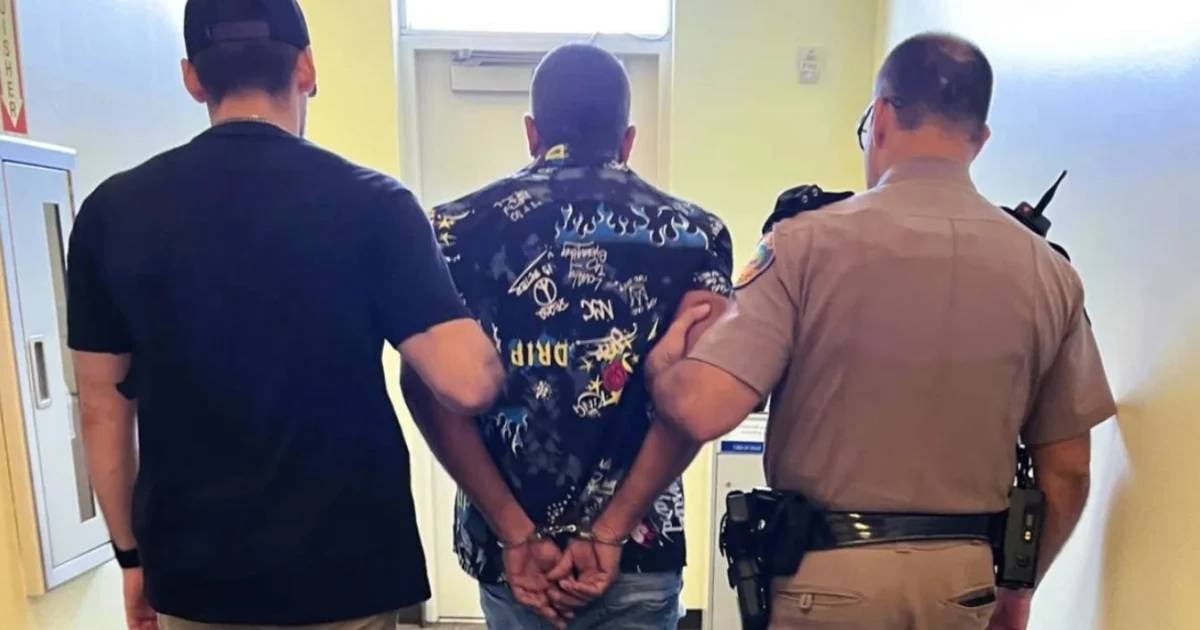
The United States Supreme Court has granted federal immigration officials the authority to conduct extensive operations in Los Angeles, removing a previous judicial order that restricted arrests based on racial or socioeconomic profiling, as reported by the AP. This ruling marks another win for Donald Trump's administration, which has been advocating for stringent immigration policies.
In a 6-3 decision, the conservative majority overturned the restriction imposed by federal judge Maame E. Frimpong, who had found substantial evidence suggesting that immigration patrols were violating the Constitution by indiscriminately detaining individuals, including U.S. citizens. The EFE news agency highlighted that this Supreme Court decision nullifies Frimpong's order from the Central District of California, which had temporarily prohibited indiscriminate immigration raids in the Los Angeles metropolitan area and two other counties, a decision that had been upheld by the Ninth Circuit Court of Appeals.
Justice Brett Kavanaugh, in his concurring opinion, stated that the initial ruling "went too far" and that allowing each detention to be questioned after the fact would "chill legitimate immigration law enforcement efforts," as noted by the cited outlet. On the other hand, Justice Sonia Sotomayor, supported by her liberal colleagues, issued a strong dissent: "Countless individuals in Los Angeles have been seized, thrown to the ground, and handcuffed merely because of their appearance, accent, or for earning a living through manual labor. Today, the Court exposes many more to these same indignities," she wrote.
Impact on Los Angeles and Other U.S. Cities
This ruling comes amid a resurgence of ICE operations following a hiatus prompted by the initial judicial order. According to the Department of Homeland Security, since June 6th, 5,210 arrests have been made in the Los Angeles area, in operations that have included controversial tactics such as agents emerging from a moving truck to detain workers at a Home Depot. Migrant advocacy groups warned that the Supreme Court's decision could pave the way for racial profiling practices not only in Los Angeles but in other cities across the country as well.
Future Legal Actions
The lawsuit filed by immigrant advocacy organizations will continue in California, where the constitutionality of these operations will be debated in depth. Nonetheless, the Supreme Court's decision allows the Trump administration to proceed with large-scale immigration raids while the litigation is ongoing.
Key Questions on Supreme Court's Immigration Ruling
What was the Supreme Court's decision regarding immigration arrests in Los Angeles?
The Supreme Court authorized federal immigration agents to conduct extensive operations in Los Angeles, lifting a previous order that restricted arrests based on racial or socioeconomic profiling.
How did the Supreme Court's ruling impact the Trump administration's immigration policies?
The decision represented a victory for the Trump administration, allowing it to continue advocating for and implementing tough immigration policies.
What concerns were raised by Justice Sonia Sotomayor regarding the ruling?
Justice Sotomayor expressed concerns that the ruling exposes more individuals to indignities such as being seized and detained based on appearance or accent, pointing out the potential for racial profiling.
What are the next legal steps following the Supreme Court's decision?
The legal challenge will continue in California, where the constitutionality of the immigration operations will be further debated while the Trump administration proceeds with its raids.