Film critic Juan Antonio García Borrero has sharply criticized the lack of rigor in Cuba's state-run media, emphasizing that in the wake of tragedies like the recent multiple hit-and-run incident in Havana, the primary goal should be demanding the truth rather than echoing delayed narratives dictated by the authorities. "I miss the days when opening a newspaper felt like a chance to find the Truth. Even if later, another journalistic investigation revealed that the Truth is always in pursuit," García Borrero expressed on his Facebook page, residing in Camagüey.
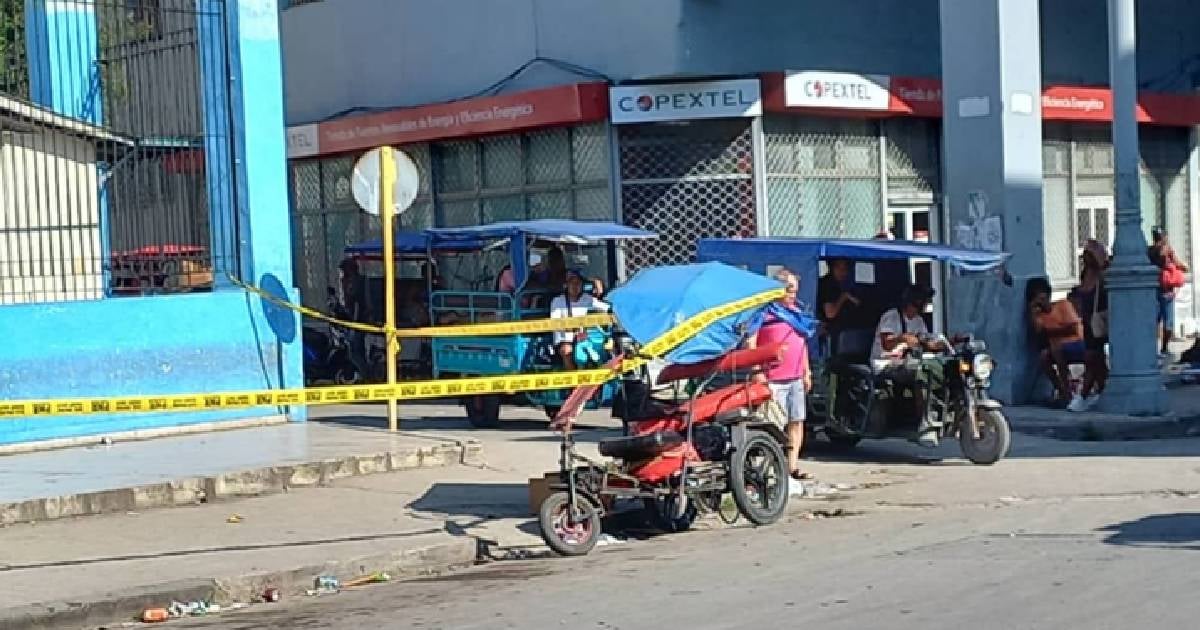
He condemned the current state of Cuban journalism, which he claims merely publishes what is authorized, without delving into the political interests shaping official narratives. The incident on August 25, resulting in the death of a woman and injuring eight others, served as an example of how victims are once again overlooked.
Official Silence and Public Outcry
In García Borrero's view, journalism should prioritize human suffering and the need for transparent fact-finding. "But here, it seems the Truth has taken a back seat. Initially, it's not even important to inform (days, weeks, years pass, and nothing is said), but then, if something is reported, it's because 'enemy press' distorted the Truth, they claim, and the order is to counter it, with weeks of delay (which in the digital age would be centuries) offering the official version," García Borrero reflected.
He further noted, "And you'll find many journalists who, instead of digging deeper to uncover the Truth, rejoice that the authorities finally publish a brief, delayed note with their singular version of events."
Delayed Justice and Misinformation
Only on Thursday, September 4, did the Prosecutor's Office reveal the identity of the accused, Italian citizen Mario Pontolillo, 56, after more than a week of silence. The delay fueled rumors of a cover-up, especially after the independent newspaper 14ymedio mistakenly identified another Italian businessman close to the regime, who was later cleared.
The institutional silence and the official media's reliance on sparse communiqués lead to such tragedies being quickly forgotten, García Borrero denounced, while "once again, the victims are ignored, and almost nobody seems to care, because that singular Truth (of panic, pain, homicidal madness) will only affect those who suffered the tragedy."
The incident claimed the life of Mairovis Valier Heredia, a 34-year-old mother of three. Her family has publicly denounced the secrecy of the authorities and demanded justice.
Legal Proceedings and Media Control
The accused, Pontolillo, who holds permanent residency in Cuba, is under provisional detention and prohibited from leaving the country, according to an official statement from the General Prosecutor's Office. The report stated that Pontolillo is being investigated for "deliberate vehicular assault on public roads in the municipalities of Centro Habana and Habana Vieja," an act deemed serious for endangering public safety.
The Prosecutor's Office assures that "investigative procedures are being conducted to gather evidence and conclude the investigations" and that it will pursue public criminal action in court, requesting penalties proportional to the gravity of the acts.
Official acknowledgment came after more than a week of governmental silence and speculation, following an investigation by 14ymedio, which mistakenly pointed to Berto Savina, an Italian businessman with strong ties to the Cuban regime, as the perpetrator.
The accusation was publicly refuted by Savina's son, Gianluca Savina, who confirmed that his father was in Italy since August 19, six days before the incident. Shortly afterward, official spokesperson Humberto López denied his involvement, perceived by many as a maneuver by the regime to protect the influential businessman.
Press Censorship and International Criticism
For days, the Cuban regime avoided revealing the identity of the detainee, exacerbating perceptions of a cover-up, particularly due to Savina's connections with powerful figures like Fidel Castro (1926-2016) and Miguel Díaz-Canel, documented in photos and reports.
A recent televised debate in Cienfuegos about the role of the press highlighted the self-censorship and fear among Cuban journalists of reprisals, affecting their work. Journalists in official media face a strict editorial line dictated by the Ideological Department of the Communist Party's Central Committee. If they deviate, they face constant reprisals, censorship, and harassment from State Security.
Various international organizations have repeatedly denounced the lack of press freedom in Cuba. Reporters Without Borders (RSF) and the Committee to Protect Journalists (CPJ) have labeled the country as one of the most repressive regarding information, where the government maintains a monopoly over news dissemination and criminalizes independent journalism.
While the official discourse insists on presenting an image of informational transparency, the reality of the press in Cuba reflects the opposite. Orlando Cruzata, director of the Lucas Awards, admitted in April that censorship is used as part of a "cultural policy" to prevent negative comments about the "revolution." "Of course, we will not allow anyone to speak ill of the revolution on television, it's part of our cultural policy, just as one should not denigrate women, homosexuals, or anyone with different religious inclinations," he said in an interview with the state-run portal Cubadebate.
Questions About Press Freedom and Justice in Cuba
Why was the identity of the accused in the Havana tragedy delayed?
The delay in revealing the identity of the accused, Mario Pontolillo, fueled rumors of a cover-up. The Cuban authorities' silence and the reliance on state-controlled media contributed to speculation and misinformation.
What are the challenges faced by journalists in Cuba?
Journalists in Cuba face strict editorial controls dictated by the Communist Party, leading to self-censorship and fear of reprisals. Those who deviate from the official line risk censorship and harassment by State Security.