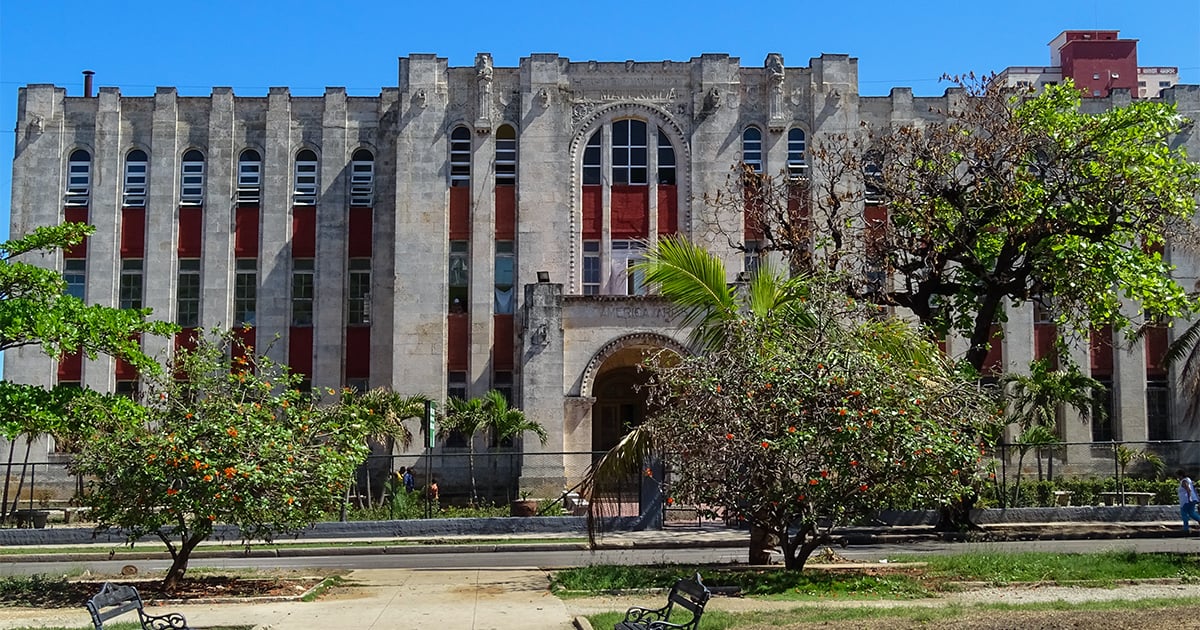
The recent decision to halt gynecology and surgery services at the América Arias Maternity Hospital in Havana's El Vedado neighborhood has sparked widespread outrage. Known locally as Maternidad de Línea, the facility is being transformed into an assisted reproduction center, a move that has left medical professionals and patients distraught. Renowned broadcaster Laritza Camacho took to Facebook to express her dismay at the situation, revealing that doctors are in tears not over patients' deaths, but due to their inability to provide care because of administrative directives, leaving hundreds of ailing women without assistance.
Camacho recounted meetings where the decision to terminate standard services was imposed despite the protests of both specialists and patients. She highlighted that, as of 2025, the hospital had carried out 763 operations, with over 1,000 women still awaiting surgery, many in dire conditions such as constant bleeding, large fibroids, and urinary incontinence, which severely affect their quality of life or pose significant health risks.
The hospital has traditionally served patients not only from across Havana but also from other provinces lacking such essential services. Camacho emphasized the extreme dedication of the medical staff, who have kept the hospital running despite power outages, supply shortages, and exhausting workdays. She praised these professionals as "stars" for their ability to maintain operations even when faced with personal and health challenges. However, the decision to shut down the gynecology services now threatens to undo all their hard work.
Administrative Decisions and Public Outcry
Initially, a meeting concluded with plans to integrate the assisted reproduction center into the hospital's existing services. Yet, just two days later, a subsequent meeting reversed this decision without considering input from attendees. Camacho described how officials warned against using social media and cautioned patients against protesting. She revealed that patients with scheduled appointments next week would be sent home with an "explanation" and turned away, regardless of the severity of their cases.
The closure has also been criticized for wasting public resources. Recently, four million pesos were invested in neonatology, only for that service to be cut. Incomplete renovations of the emergency room and repurposed operating rooms highlight the misuse of scarce funds. Camacho condemned this mismanagement as "money down the drain," while comments on her post echoed her frustration, questioning the disregard for women on lengthy waiting lists for urgent medical procedures.
Architect Abel Tablada noted that misallocating funds amid widespread shortages only compounds the harm caused by the U.S. embargo, often referred to as the "internal blockade" due to the government's own prohibitive policies. Some commentators were even harsher, accusing officials of incompetence and a lack of foresight. They argued that critical services like gynecology should not be sacrificed for new initiatives, urging a more inclusive approach.
The Broader Implications
Questions about the motives behind the transformation of Maternidad de Línea abound. Nery Díaz speculated that the new center might cater to foreign currency-paying clients, sidelining local women in need. Her concerns were echoed by others, skeptical that everyday Cubans could afford these future services. Luis Lacosta criticized the ongoing mismanagement of public funds, calling for an end to the ignorance and abuse that plague the country's healthcare system.
Reyner Laborí Gómez lamented the lack of empathy in official decisions, attributing the exodus of professionals to private enterprises to these misguided policies. Hospital staff, who've relied on donations and community support to sustain operations, now find themselves marginalized. For many, like Osmany Moreno, the closure of services that save lives for assisted reproduction is "unnecessary."
Public sentiment reflects a growing disillusionment with the government's priorities, which seem increasingly detached from the needs of its citizens. Nico Savón remarked that the authorities' interests have long ceased to align with those of the people. Camacho sees the situation at Maternidad de Línea as another example of Cuba's bureaucratic absurdity, where senseless decisions lead to despair for doctors and indefinite waiting for patients.
Past incidents further illustrate the systemic issues plaguing maternity care in Havana. In May 2023, a family reported the death of a newborn due to alleged medical negligence at this hospital. Similar accusations arose in 2018, and in 2020, a pregnant woman highlighted the poor conditions of the facility's bathrooms. In 2019, patients at Maternidad Obrera in Marianao reported cockroach infestations and unhygienic conditions. Such complaints are reminiscent of 2016, when disturbing images revealed the unsanitary state of the Hospital Hijas de Galicia, with non-functional bathrooms and unhygienic conditions for admitted women.
Key Questions About Maternity Services in Havana
Why were the gynecology and surgery services at Maternidad de Línea closed?
The services were closed to transform the hospital into an assisted reproduction center, a decision made despite protests from medical professionals and patients.
What impact does the closure have on patients?
Patients, particularly women awaiting critical surgeries, are left without necessary medical care, exacerbating health risks and prolonging suffering.
How have public resources been managed in this situation?
Significant funds were invested in services that were later eliminated, highlighting poor resource management and prioritization by authorities.