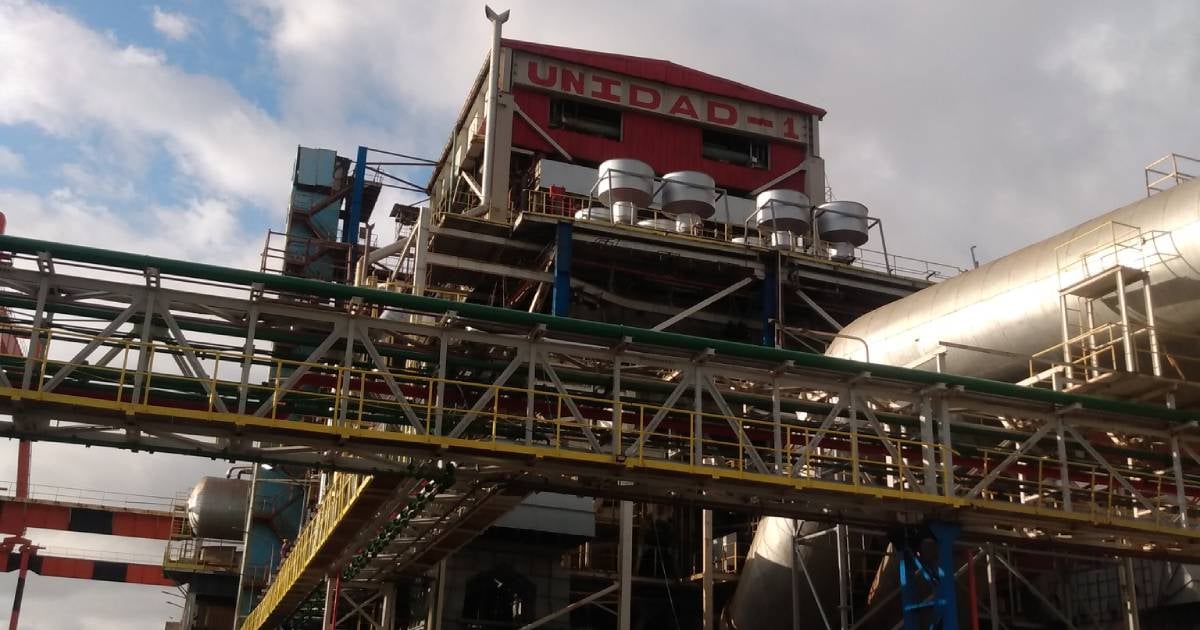
The shutdown of the Lidio Ramón Pérez thermoelectric plant, known as "Felton," in Holguín, has further crippled Cuba's already failing electrical system. This has sparked a wave of outrage among citizens who describe living conditions as "inhumane" due to the relentless power outages. According to the Electric Union (UNE), the plant's unit 1 experienced a transformer failure, necessitating at least 20 days of repairs, exacerbating the existing generation shortfall, which already exceeded 1,800 MW during peak hours.
The consequence is that entire families have endured power cuts lasting up to 30 continuous hours, with barely enough time to regain normalcy between blackouts. On social media, Cubans paint a vivid picture of their daily ordeal: "Unbearable, we've been without electricity for over 30 hours," "it's inhumane to live like this," and "dying slowly like a terminally ill patient." Desperation echoes through numerous voices: "We no longer see a light at the end of the tunnel," wrote one reader, while others insist the country has been "plunged into darkness" for years, with each breakdown confirming a hopeless fate.
Outrage and Accusations
Criticism is squarely directed at the government. "What works well in Cuba besides repression?" one user questioned, while another demanded the resignation of "all the dictators and their accomplices." The outrage extends beyond the power cuts to a sense of neglect: "Terrible, and they're living the sweet life," some commented.
Others questioned the use of international aid and demanded transparency: "All the power plants are collapsed, but they don't tell the truth. Where are the millions received from allied countries?" Although the government attempts to showcase the installation of solar parks, many Cubans see this as an inadequate stopgap. Some propose more radical solutions, such as expanding the use of solar panels in homes and utilizing vacant lands for renewable energy generation. However, the consensus is that what is lacking is not technology, but political will and honest management.
A Nation in Darkness
In the streets and homes, the scene is the same: food spoiling without refrigeration, children sleeping in stifling heat and darkness, and adults resigned to cooking by candlelight or mobile phone. Each prolonged blackout impacts not only family economies but also collective morale. "This isn't life; it's a torment," summarized one reader.
As the Felton power plant remains offline, the feeling that the entire country is sinking with it spreads among a populace weary of unfulfilled promises and empty rhetoric. The situation underscores a nation grappling with deep-rooted systemic issues and a government that seems disconnected from the daily struggles of its people.
Understanding Cuba's Power Crisis
Why did the Felton power plant shut down?
The Felton power plant shut down due to a transformer failure in unit 1, requiring extensive repairs that will take at least 20 days.
How are Cubans affected by the power outages?
Cubans are enduring lengthy power cuts, sometimes lasting up to 30 hours, which disrupts daily life, spoils food, and affects both physical comfort and mental well-being.
What are the proposed solutions to Cuba's energy crisis?
Proposed solutions include expanding solar panel use in homes and utilizing vacant land for renewable energy, although many argue the real issue is a lack of political will and effective management.