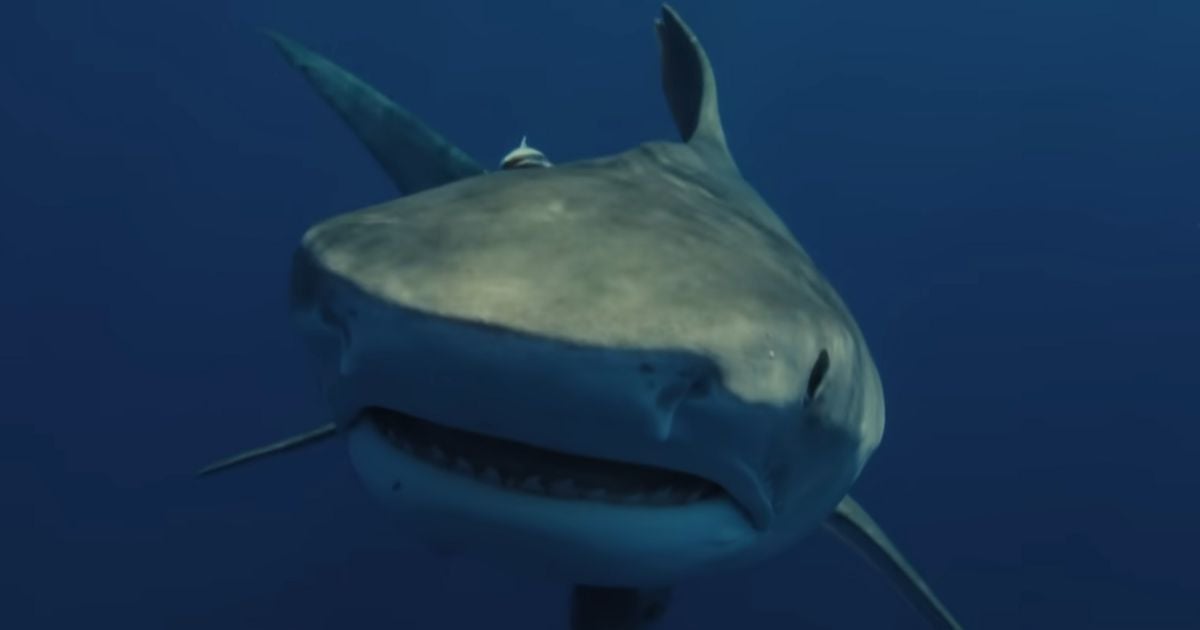
Florida's beaches have historically topped the list for shark attacks in the United States, with records dating back as far as 1642 and continuing through 2024. According to a report by the tide forecasting platform Tideschart, three Florida beaches rank in the top ten for the most recorded shark attacks.
Leading the list is New Smyrna Beach, which has seen a staggering 277 incidents over a span of 382 years. Located about 15 miles south of Daytona Beach in Volusia County, New Smyrna Beach has a shark attack rate "more than four times that of the second highest-ranked beach," as highlighted in the report.
Daytona Beach ranks second with 67 shark attacks, followed by Cocoa Beach with 39. In fourth place is Myrtle Beach in South Carolina, while Florida's iconic Palm Beach takes fifth place with 35 attacks. Palm Beach County also features two other beaches in the top ten: Jupiter Beach Park, ranking eighth with 23, and Riviera Beach, ninth with 21 incidents.
Further down the list, Miami Beach shares the 12th spot with St. Augustine Beach and Galveston, Texas, each with 17 shark attacks recorded since 1642. Despite these figures, the Florida Fish and Wildlife Conservation Commission reassures the public that "it is extremely unlikely for a person to be bitten by a shark in Florida waters, and bites rarely pose a threat to life."
This week, an eight-year-old boy was bitten by a shark while snorkeling and spearfishing with his father and sister at Horseshoe Reef, off the coast of Key Largo, Florida. In July, a man in his 40s was attacked by a shark while swimming at Hollywood Beach in Broward County.
Understanding Shark Attacks in Florida
Why does New Smyrna Beach have the highest number of shark attacks?
New Smyrna Beach is known for its rich marine life and favorable conditions for both surfers and sharks, contributing to the high number of encounters.
Are shark attacks common in Florida?
While Florida has a higher number of recorded shark attacks, the likelihood of an individual being bitten is extremely low, and most bites are not life-threatening.
How can beachgoers reduce the risk of a shark encounter?
Beachgoers can minimize risk by avoiding swimming at dawn or dusk, staying in groups, and steering clear of areas with high fish activity.