A tragic incident in La Maya, a community within the Songo-La Maya municipality in Santiago de Cuba, has once again highlighted the severe shortcomings of the Cuban healthcare system. A five-year-old child passed away after taking expired 500 mg Paracetamol of foreign origin at home, while another child, aged 11, from the same family, was poisoned but survived after receiving intensive care at Juan de la Cruz Martínez Maceira Children's Hospital.
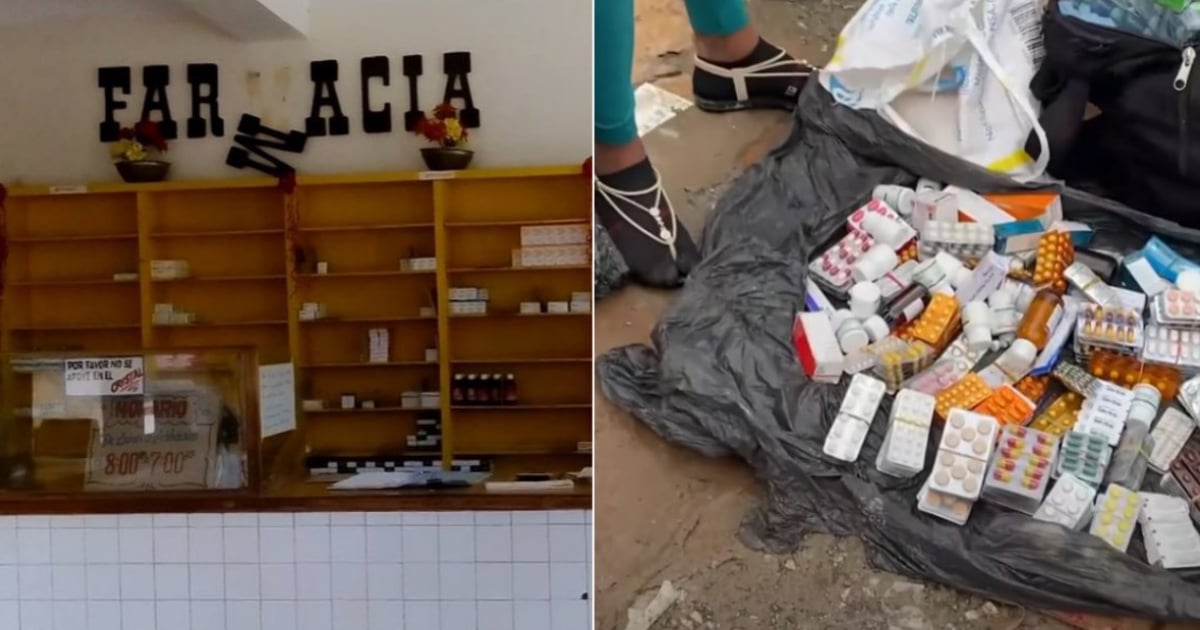
The official statement from the provincial Health Directorate described the situation as an "exogenous intoxication" due to an "unapproved medication," and announced an ongoing investigation aimed at "clarifying the circumstances" and "enhancing health education in communities." However, this institutional version sparked public outrage, with many Cubans holding the government accountable for its failure to ensure the availability of medicines in pharmacies, forcing families to rely on the informal market.
Pharmacy Shortages and Public Outcry
The comments on the Health Directorate's Facebook post reflect widespread discontent. "If pharmacies in this country were stocked, there would be no need to buy drugs from the streets without knowing their origin," lamented one user. Another comment was more direct: "I knew something like this would happen eventually, but there would be more deaths if people couldn't access these street-sold medications. Because there's nothing available."
A growing number of testimonies directly pointed fingers at the state, accusing it of negligence. "The note talks about promoting safe access to medications. What a disrespect, with empty pharmacies and endless lines! A completely abandoned and failed health system, the result of a government more interested in building hotels than providing a single aspirin for a sick child," read one comment.
Official Strategy: Blaming Families
The official statement emphasized the "importance of health education" to prevent similar tragedies, a stance many citizens see as blaming parents, the true victims of a depleted system. "What's saddest is that this mother will probably carry the guilt for life, while others who should ensure medicine availability won't bear any guilt," a Santiago resident wrote.
Even the Cuban Constitution, which recognizes health as a fundamental right and assigns the State responsibility for ensuring medical care and medication, was cited. "It's the government's responsibility to stock pharmacies. They are accountable for every life lost due to medication shortages," a user stressed.
A father from Havana also criticized the absence of a mechanism to certify the sale of imported medications in legally established private businesses, as is common in other countries. "The height of shamelessness," he remarked.
Acknowledged Crisis by Authorities
This is not the first time a lack of medication has resulted in deaths in Cuba. In July, the Minister of Public Health, José Ángel Portal Miranda, admitted to the National Assembly that the country only has 30% of the essential medication list available, meaning seven out of ten common medicines are missing in pharmacies.
Additionally, in 2024, the State Center for Drug Control (CECMED) warned about the circulation of counterfeit drugs in the region. On the island, where scarcity is severe, this warning poses a tragic dilemma: self-medicate with what's available or leave the illness untreated.
Healthcare Reflecting Systemic Collapse
The incident in La Maya is more than an isolated event; it symbolizes the breakdown of a healthcare system once celebrated as a "Revolutionary pride." Today, amid deteriorating hospitals, shortages of basic supplies, demotivated professionals, and empty pharmacies, citizens face the daily risk of losing their lives due to lack of access to essential medications.
"This event is deeply regrettable, but more so is the fact that mothers have to resort to any means to relieve their children's ailments. It's heartbreaking what Cuba has become, what a disgrace," expressed a mother commenting on the official note.
Questions About Cuba's Healthcare Crisis
Why are Cuban pharmacies often empty?
Cuban pharmacies frequently lack medications due to the government's inability to maintain adequate supplies, forcing citizens to turn to the informal market for essential drugs.
How does the Cuban government respond to medication shortages?
The government often stresses the importance of health education and promises investigations, but many citizens feel these measures do not address the root cause of the shortages.
What impact does the medication shortage have on Cuban families?
The shortage forces families to make difficult decisions between self-medicating with potentially unsafe drugs or leaving illnesses untreated, increasing health risks and causing public outrage.