In the wake of a newly enforced state policy, thousands of students without legal immigration status in Florida are compelled to discontinue their higher education. This law revokes their eligibility for in-state tuition rates, significantly impacting young individuals who, despite growing up and studying in the United States, now face prohibitively high academic fees.
The Associated Press (AP) has verified the immediate repercussions of the repeal of a 2014 law that previously allowed certain undocumented students access to state tuition rates at public universities. This dramatic policy shift has led to a surge in educational dropouts and exclusions.
The initiative, driven by Governor Ron DeSantis and supported by members of his administration, including Lieutenant Governor Jeanette Núñez—who ironically was a proponent of the original law a decade ago—took effect on July 1. Its impact is already evident.
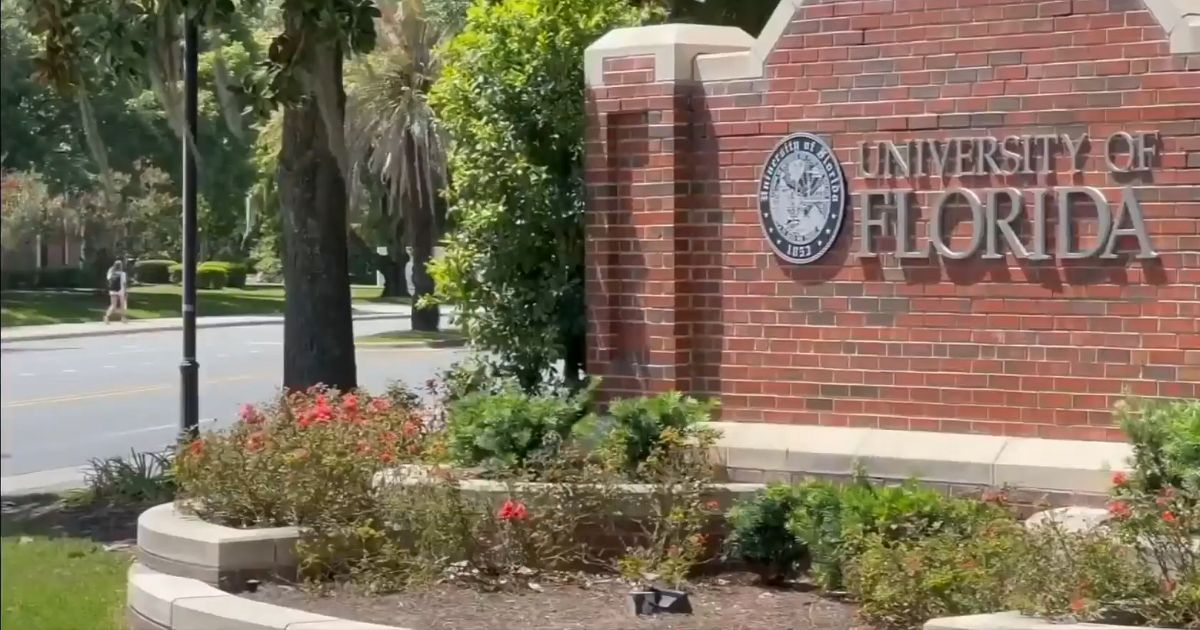
During the 2023-2024 academic year, over 6,500 students were eligible for the in-state tuition waiver. Without this benefit, costs have skyrocketed. For instance, at the University of Florida, a resident's annual tuition is approximately $6,380, whereas students without legal status face fees exceeding $30,900, excluding accommodation, transportation, and materials.
Restrictive Migration Policy and Its Broader Implications
This educational access cut is part of a broader restrictive immigration policy agenda championed by former President Donald Trump and his administration. Public figures like Secretary of State Marco Rubio have advocated similar policies in other states, arguing for resource prioritization for citizens and legal residents.
Beyond Florida, states such as Texas, Kentucky, Minnesota, and Oklahoma are contending with legal challenges concerning similar programs. Concurrently, the U.S. Department of Education has launched investigations into universities that provide private scholarships to undocumented students.
As a result of this decision, many young individuals are being forced to abandon their studies, switch career paths, or transition to online programs. Some are adapting to more affordable institutions, while others seek informal employment to make ends meet, forfeiting years of academic preparation.
Impact on Students and Communities
Educators and immigrant rights advocates warn that this measure not only limits access to education but also undermines the academic performance of thousands of teenagers who now perceive college as an unattainable dream. Rosie Curts, a high school teacher in Dallas, questioned, “How do you motivate a student to study algebra if they know they won't be able to attend college?”
The situation is exacerbated by increased collaborations between public universities and Immigration and Customs Enforcement (ICE), further intimidating undocumented students, especially those living on-campus or attending in-person classes.
In cities like Orlando, home to a substantial Latino student population, the psychological impact is palpable, as noted by AP. Some students have resorted to staying home, attending only virtual classes, and avoiding public spaces out of fear of detention.
Many of these students arrived in the U.S. as children, speak English as their first language, and have met all academic requirements. Yet, legal and financial barriers now marginalize them, hindering their progress towards professional education.
The elimination of in-state tuition not only withdraws an educational right but also directly affects the economic and social future of these communities. Civil organizations have urged the federal legislature to establish a legal pathway for these predominantly Latin American youths to continue their education without facing financial penalties or persecution.
Meanwhile, thousands of students find themselves trapped in a paradox: nurtured with the promise that academic effort would lead to success, only to have the system close the door at the finish line.
In July, the story of Wendy Vega Lores emerged. A 19-year-old Cuban aspiring pediatrician in the U.S., Wendy was detained by ICE after attending a routine immigration court appointment in San Antonio, Texas. She arrived in the U.S. as a minor with her parents, and her asylum application has been pending for over two years. Although her family was released 23 days later, Wendy remained in July at the Karnes detention center for migrant women.
Key Questions on Florida's Education Law Impact
What is the impact of Florida's new law on undocumented students?
The new law has forced thousands of undocumented students to drop out of college due to the loss of in-state tuition eligibility, leading to significantly higher education costs.
Who is affected by the repeal of the 2014 law in Florida?
Students who grew up and studied in the U.S. but lack legal immigration status are primarily affected, as they now face unaffordable tuition fees.
How are educators responding to the changes in Florida's education policy?
Educators are expressing concern that the policy undermines academic motivation and performance, as many students view college as an unattainable goal due to financial barriers.