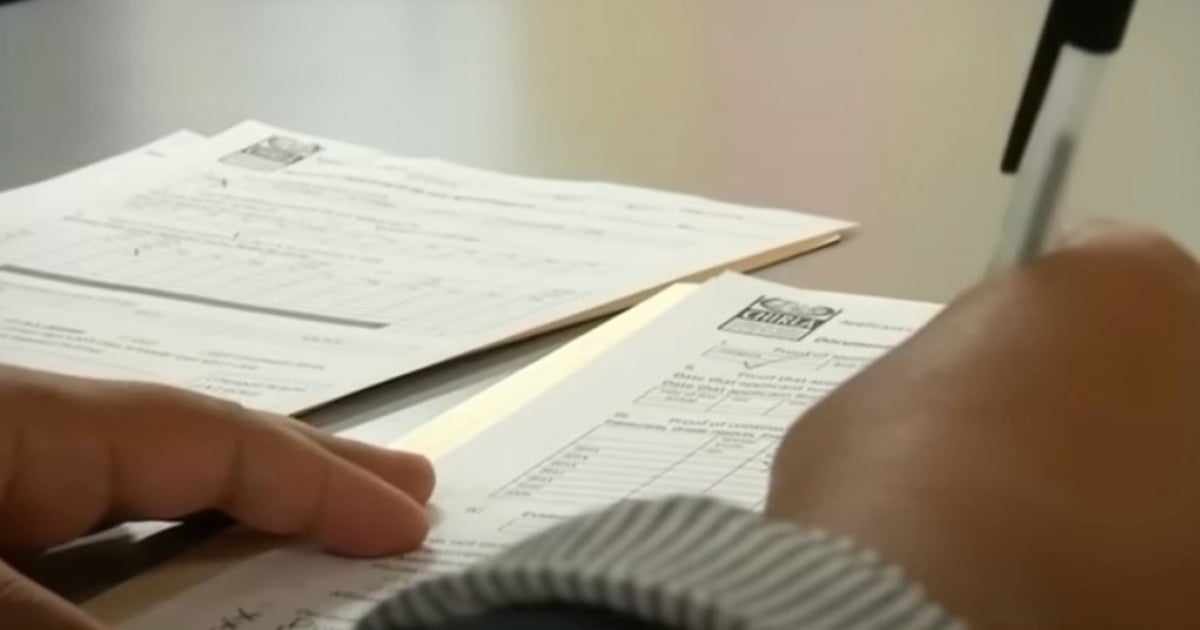
The United States Citizenship and Immigration Services (USCIS) has unveiled a pivotal update in its fee payment methods, impacting citizens, visa applicants, permanent residents, and those seeking other immigration statuses. Starting August 29, 2025, the agency began accepting payments via direct debit from U.S. bank accounts, utilizing the new Form G-1650, Authorization for ACH Transactions, as announced in a USCIS statement.
This development aligns with Executive Order 14247, signed on March 25 of this year, which aims to modernize financial transactions with U.S. bank accounts, reduce paper usage, and mitigate risks associated with fraud, theft, and lost payments. Consequently, USCIS will phase out checks and money orders.
Matthew J. Tragesser, a USCIS spokesperson, stated, "Over 90% of our payments currently arrive in the form of checks and money orders. This method causes delays, fraud risks, and lost payments. America deserves better, and we plan to deliver on that."
Farewell to Checks and Money Orders
Until October 28, 2025, USCIS will continue to accept traditional payment methods, including printed checks, money orders, and credit card payments via Form G-1450. However, beyond this date, these options will be discontinued, with electronic payments being the only accepted methods:
- Direct debit (ACH) using Form G-1650.
- Credit or prepaid card using Form G-1450.
This shift will be significant for many users of the U.S. immigration system, especially those unfamiliar with electronic platforms.
Who Can Utilize the New System?
Only applicants with a U.S. bank account can use Form G-1650 for direct debit payments. Those without U.S. bank accounts can continue using credit or prepaid cards with Form G-1450. USCIS cautions that "applicants must ensure their accounts have sufficient funds to cover all filing fees. If the transaction is denied, the application may be rejected."
This change imposes a direct financial responsibility on migrants, requiring them to verify fund availability before submitting any applications.
Experts Weigh In: Benefits and Concerns
While some immigration attorneys appreciate the potential for expedited processes, the measure has sparked concern among more vulnerable migrant populations. Daniel Stephen Larson, an immigration lawyer in San Francisco, noted, "While processes might speed up, the transition could particularly impact older individuals or those without a U.S. bank account."
Emily Sumner, an immigration lawyer in Virginia, supports the modernization but worries about handling sensitive banking information on printed forms. "This presents a security and compliance nightmare," she remarked.
A Move Against Fraud and Payment Theft
The shift to electronic payments also addresses growing security concerns. According to USCIS and Executive Order 14247, mail theft reports have surged since the pandemic. Treasury Department checks are 16 times more likely to be reported lost or stolen compared to electronic transfers. Paper payments "incur unnecessary costs, delays, and fraud risks."
USCIS also reminds applicants of a dedicated section on its website for reporting immigration scams and frauds, from false representatives to falsified applications.
What Should Applicants Do Now?
Moving forward, those preparing applications or petitions with USCIS should consider:
- If they have a U.S. bank account, use Form G-1650 for direct debit payments.
- If not, use a credit card (including prepaid) and Form G-1450.
- Ensure the account or card has enough funds before submitting the application.
- Submit the correct form alongside the immigration application or petition.
USCIS has updated its Policy Manual to reflect these changes and is expected to amplify its public information campaign to prevent unnecessary rejections.
The elimination of checks and money orders by USCIS represents a structural shift in managing immigration processes in the United States. While the aim of modernizing and speeding up processes is commendable, the impact on certain social sectors—especially seniors, migrants without banking access, and those with technological challenges—could be significant.
The grace period until October 2025 provides a critical window for transition, adaptation, and community education. During this time, the support of lawyers, immigration organizations, and media outlets will be essential in informing, guiding, and protecting applicants.
Key Questions About USCIS Payment Changes
What is the new payment method introduced by USCIS?
USCIS has introduced direct debit payments from U.S. bank accounts using Form G-1650, effective from August 29, 2025.
When will traditional payment methods be discontinued?
Traditional payment methods like checks and money orders will be discontinued after October 28, 2025.
Who can use the direct debit option?
Only applicants with a U.S. bank account can utilize the direct debit option via Form G-1650.
What should applicants do to ensure their application is not rejected?
Applicants should verify their account or card has sufficient funds before submitting their application to prevent rejection.