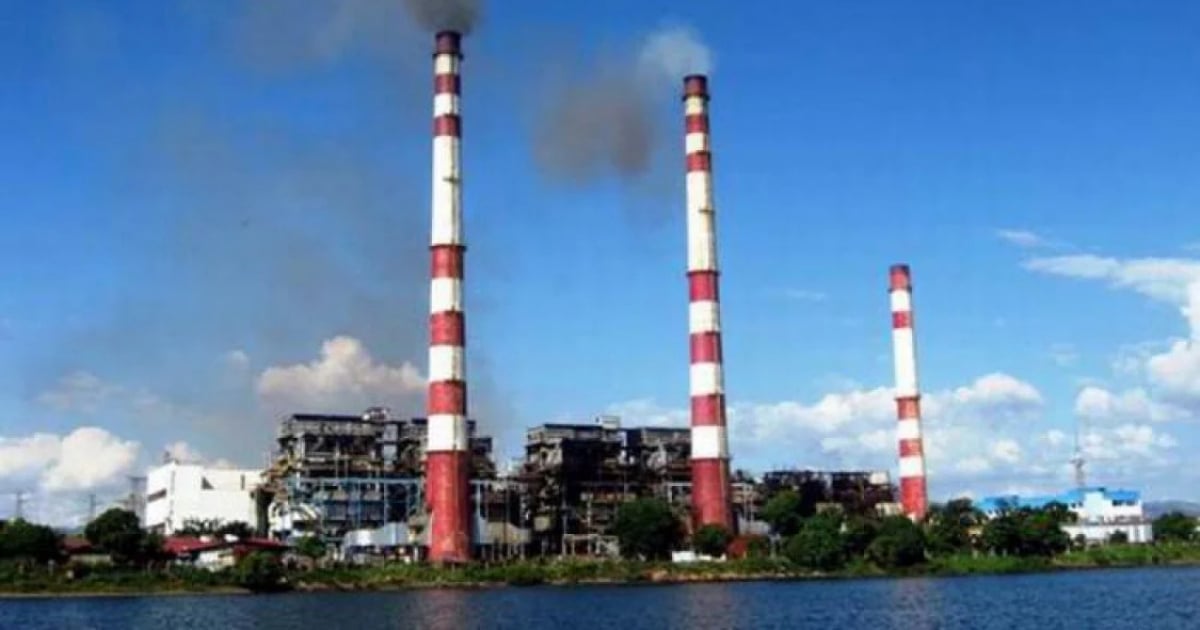
The Antonio Maceo Grajales Thermoelectric Plant, widely known as Renté, successfully reconnected its Unit 5 to the National Electric System (SEN) on Tuesday. This comes after enduring several days of operational instability and frequent outages that have exacerbated Cuba's already dire energy situation. The announcement was made via Facebook by the pro-government user "Cubano Gallo Rebelde," who celebrated the thermal block's return to operation at 4:29 pm.
Despite the news, there are growing concerns regarding the plant's true stability amidst an electrical system teetering on the brink of collapse.
Accident Highlights System's Fragility
The restart of Unit 5 was marred by a severe workplace accident last week, leaving turbine operator Carlos Rafael López Ibarra, aged 33, with burns covering 89% of his body. He was nearly engulfed by a sudden leak of superheated steam during the synchronization process. Currently, López Ibarra is in critical condition at the Dr. Juan Bruno Zayas Alfonso General Hospital. This tragic incident underscores the hazardous working conditions faced by thermoelectric plant technicians.
Provincial Health Director Miguel Ángel Díaz Núñez stated that the patient is conscious and receiving necessary medication, yet the severity of his injuries highlights the human costs of a crumbling system. Plant Director Jesús Aguilar Hernández acknowledged that an investigation into the incident is underway, while provincial authorities visited the injured worker, seemingly as a political gesture rather than a genuine solution to the crisis.
Unfulfilled Promises and Non-Operational Plants
Unit 5 had initially reconnected last Friday after months of maintenance, only to disconnect again by early Saturday morning, revealing the fragility of the repairs that the Ministry of Energy and Mines touts as "solutions." It was only generating about 50 megawatts of its potential 95 before suffering another breakdown.
Lázaro Guerra Hernández, Director General of Electricity, described the issue as "minor" and assured that reintegration would occur "within hours." However, Cubans are familiar with such promises that fail to ensure energy stability.
The situation at Renté is not unique: Mariel Block 5 also went offline last Friday, and Units Santa Cruz 2, Cienfuegos 4, and Felton 2 remain inactive, with the latter out of commission for over three years following an unresolved fire.
A Nationwide Crisis
Meanwhile, the population continues to bear the brunt of an ever-deepening energy crisis that the regime has been unable to resolve despite years of promises and endless repairs. On Tuesday, the Electric Union acknowledged a shortfall of nearly 2000 megawatts during peak hours, causing power outages throughout Monday and repeated on Tuesday.
Far from improving, this situation has become the norm for millions of households enduring prolonged blackouts, water shortages, cooking challenges, and a steadily declining quality of life. The reactivation of Renté's Unit 5 does little to change the underlying reality: an obsolete electrical system reliant on deteriorating equipment and a government that, despite its rhetoric, has failed to ensure a reliable service or adequately protect the workers who sustain power generation.
Understanding Cuba's Energy Crisis
What caused the accident at Renté Thermoelectric Plant?
The accident was caused by a sudden leak of superheated steam during the synchronization of Unit 5, severely injuring the turbine operator.
How does the energy crisis affect Cuban citizens?
The energy crisis leads to prolonged power outages, affecting water supply, cooking capabilities, and overall quality of life for millions of Cubans.
Why is the Cuban electrical system unstable?
The instability is due to an outdated electrical system dependent on deteriorating equipment and inadequate government management.