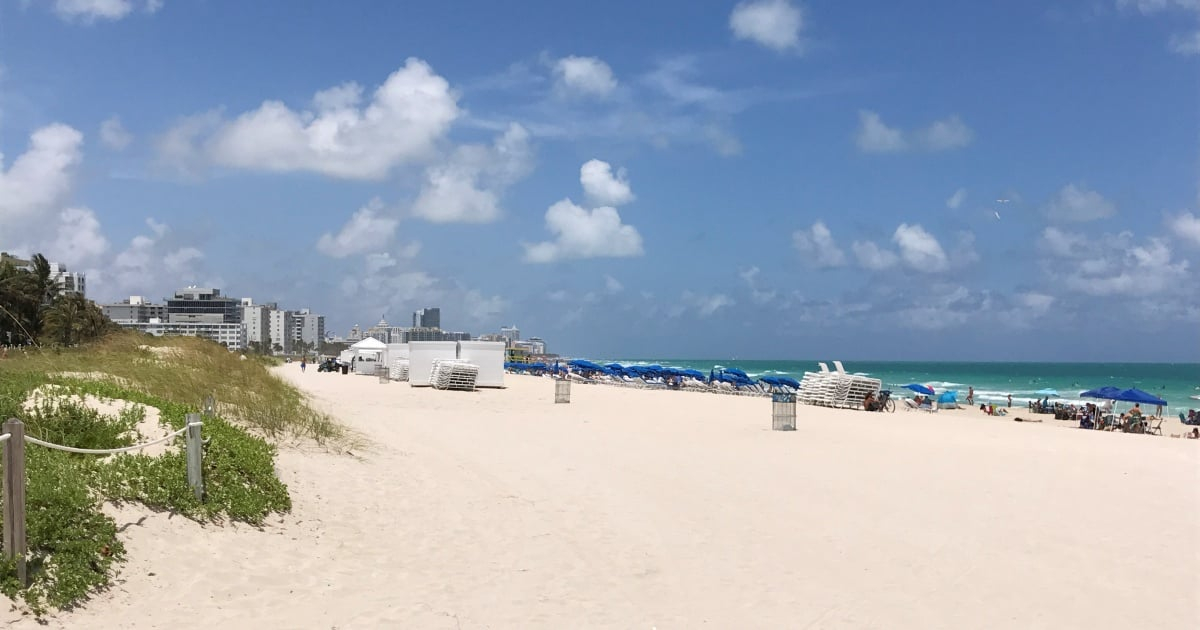
Numerous beaches in Florida and other regions across the United States are currently under health advisories due to elevated levels of fecal bacteria found in the water. According to reports from the AP, as mentioned by Telemundo 51 Miami, areas affected stretch from Crystal River in Florida to Ogunquit in Maine. Authorities are cautioning against swimming because of the potential for gastrointestinal illnesses, skin rashes, and nausea.
Some of the nation's most popular beaches are experiencing temporary closures, including Keyes Memorial Beach in Cape Cod, Massachusetts, Benjamin’s Beach on Long Island, New York, and even a section of Imperial Beach in California. High bacterial counts have also been noted at Kahaluu Beach Park on Hawaii’s Big Island.
Data from the environmental group Environment America reveal that nearly two-thirds of U.S. beaches tested in 2024 reported at least one day of unsafe fecal contamination levels. On the Gulf Coast, 84% of the beaches exceeded safety standards at least once.
"These beaches are treasures for families... we must invest to ensure our human waste doesn't end up where we swim," emphasized John Rumpler, director of clean water for Environment America. Aging sewage systems, intense rainfall, and urban sprawl are among the factors exacerbating the issue.
In North Carolina, five beaches were under advisories in late August following storm surges and erosion caused by Hurricane Erin. Despite these warnings, many tourists are still planning to enjoy the water this long weekend. However, experts caution that entering the water under these conditions could be dangerous, especially for individuals with compromised immune systems.
Additionally, Florida is once again facing the threat of Vibrio vulnificus, commonly referred to as the "flesh-eating bacteria." So far in 2025, there have been five fatalities and 23 confirmed cases, as reported by health officials. The Florida Department of Health notes that the deaths occurred in the counties of Bay (2), Broward, Hillsborough, and St. Johns. In total, infections have been documented across 16 counties, highlighting the widespread presence of the bacteria in the state's warm and brackish marine waters.
In 2024, Florida experienced a record 19 deaths and over 80 cases, which authorities linked to the aftermath of Hurricanes Helene and Milton, whose flooding and storm surges created ideal conditions for the bacteria's growth along coastal areas.
Understanding Fecal Bacteria Risks in U.S. Beaches
What are the health risks associated with swimming in contaminated beaches?
Swimming in contaminated waters can lead to gastrointestinal illnesses, skin rashes, and nausea due to exposure to harmful bacteria.
Why are Florida beaches frequently affected by Vibrio vulnificus?
Florida's warm and brackish waters provide an ideal environment for Vibrio vulnificus, and events like hurricanes can exacerbate its spread by creating favorable conditions for its proliferation.
How can the problem of fecal bacteria in beaches be mitigated?
Investing in modernizing sewage systems, managing urban sprawl, and improving stormwater management can help reduce fecal contamination in beach waters.