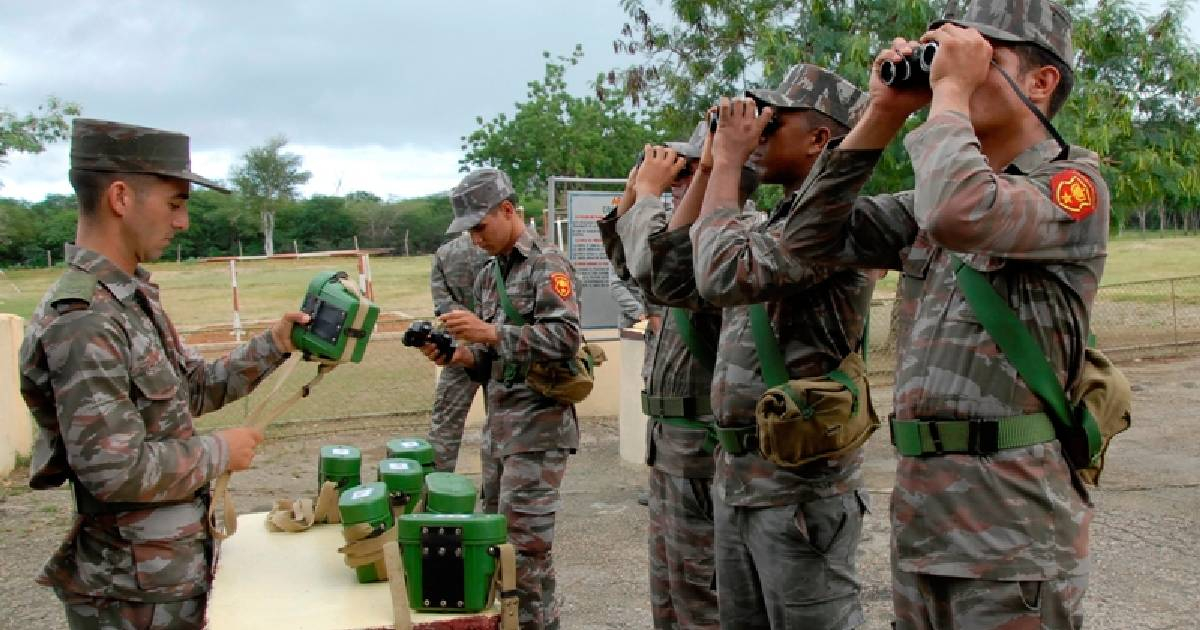
An outbreak of hepatitis is impacting the Guantanamo Border Brigade, specifically within the Eastern Battalion, where most soldiers are newly recruited teenagers. Reports reveal the severity of the situation that military authorities are attempting to conceal.
According to independent journalist Yosmany Mayeta Labrada, who shared details on his Facebook page, families of the young recruits are seeking information about their children's health. However, they only receive evasive and reassuring messages from military leadership, while the disease continues to spread unchecked.
Communications from the recruits themselves contradict the official narrative, indicating that the outbreak is proliferating within the unit without effective measures to curb the spread. This incident highlights the weak sanitary conditions in military units and the lack of transparency in managing emergencies that endanger dozens of adolescents sent for mandatory service.
The absence of official information exacerbates the families' anxiety as their children fall ill within facilities shrouded in secrecy. The health of these young soldiers hangs by a thread as the regime refuses to publicly acknowledge the outbreak.
On August 27, the Ministry of Public Health (Minsap) confirmed a "slight increase" in hepatitis A cases nationwide. Hepatitis A is an acute viral disease affecting the liver, primarily transmitted through ingestion of contaminated water or food. Its spread is facilitated by poor hygiene practices and inadequate water supply and treatment.
Francisco Durán, national director of Hygiene and Epidemiology at Minsap, advised, "Whenever possible, boil water and use chlorine tablets, which are occasionally available at pharmacies in our country, to treat the water before consuming it. Additionally, ensure that vegetables are thoroughly washed with chlorinated water."
In response, the United States Embassy in Havana issued a new health alert for its citizens, following the rise in hepatitis A cases in the Cuban capital. The alert highlights the increased risk of infection due to deficiencies in water and sanitation systems.
U.S. authorities advised travelers to consult their doctors about the hepatitis A vaccine before visiting the island and to take stringent hygiene precautions during their stay. This alert adds to recent health warnings from Washington concerning dengue, chikungunya, and oropouche outbreaks in Cuba, reflecting growing concerns over the deteriorating sanitary conditions on the island.
The proliferation of garbage dumps, foul odors, and vector breeding sites is a daily reality in various Cuban cities and towns. This situation is worsened by persistent water supply issues and inefficient garbage collection.
The accumulation of waste has sparked outrage among residents, who denounce unsanitary conditions and governmental inaction while living amid flies, stench, and fear of disease.
In late June, health authorities in Cárdenas, Matanzas, claimed a "significant" drop in suspected hepatitis A cases in the 13 de Marzo neighborhood, following the implementation of targeted "control measures" in the area, although one to two cases were still being reported daily.
Back in December 2024, Minsap had already reported a notable increase in this disease.
Understanding the Hepatitis Outbreak in Guantanamo
What is causing the hepatitis outbreak in the Guantanamo Border Brigade?
The outbreak is primarily due to poor sanitary conditions and inadequate measures to control the spread of hepatitis A, a disease transmitted through contaminated water or food.
How are families of the soldiers being informed about the outbreak?
Families have reported receiving evasive and reassuring messages from military authorities, while the outbreak continues to spread. Direct communications from recruits indicate a lack of effective protocols to manage the situation.
What precautions are being recommended to prevent hepatitis A in Cuba?
Health officials advise boiling water, using chlorine tablets to treat water, and thoroughly washing vegetables with chlorinated water to prevent infection.