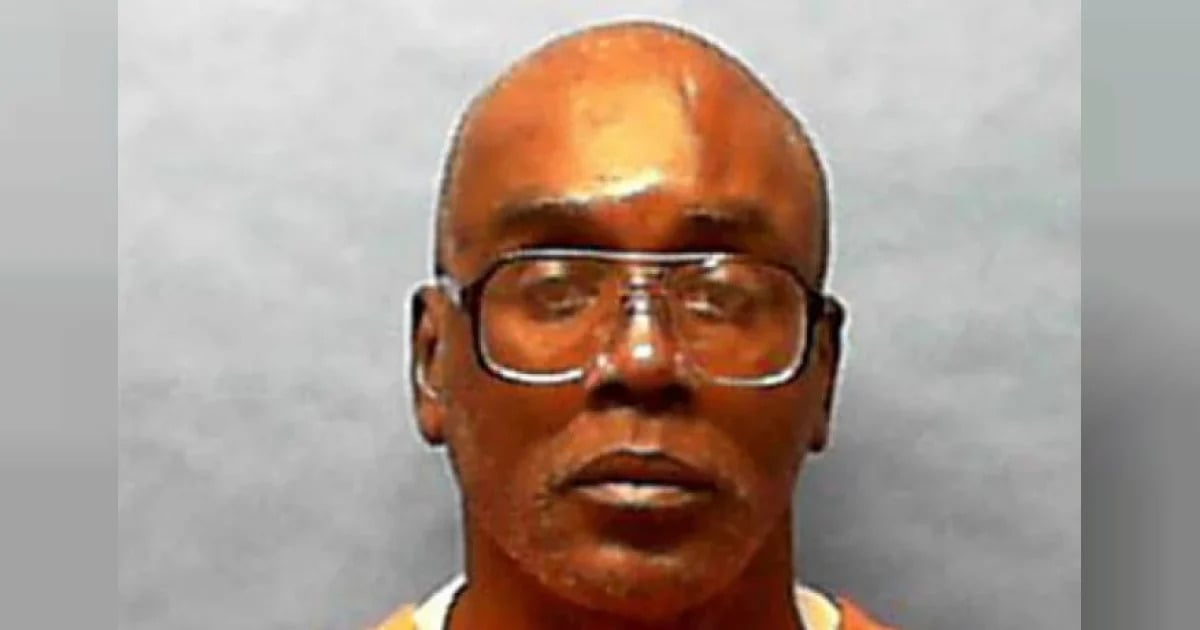
Florida is accelerating its use of capital punishment with the scheduled execution of Victor Tony Jones, a self-confessed murderer, set for September 30. Governor Ron DeSantis signed the execution order last Friday. Jones, now 64, was convicted of killing a married couple during a robbery in Miami-Dade in December 1990. The victims, Matilda and Jacob Nestor, owned a business where Jones worked, and he fatally stabbed them to steal from them. He was apprehended with the couple's stolen money and personal belongings.
In 1993, Jones received a death sentence after being found guilty of two counts of first-degree murder and two counts of armed robbery. Despite efforts to appeal, Jones's case proceeds, with a potential appeal before the Florida Supreme Court and possibly the U.S. Supreme Court if necessary.
This execution will mark Florida's thirteenth in 2025, positioning the state at the forefront of capital punishment in the United States, surpassing Texas and South Carolina, each of which has executed four individuals. The rise in executions signifies a resurgence of the death penalty in the Sunshine State, which, since the U.S. Supreme Court reinstated the death penalty in 1976, has never executed so many people in a single year. The 2025 figures have already exceeded the previous high of eight executions in 2014.
Nationwide, there have been 30 executions this year, compared to 25 last year. The year 2014 holds the record with 35 executions across the country. Florida has become a focal point for debates on the legitimacy and ethics of the death penalty, with critics raising concerns about its implementation, particularly regarding the humanity of the process, potential judicial errors, and the physical suffering caused by lethal injection.
A Year of Record Executions and Ongoing Death Penalty Debate
The surge in Florida's executions occurs amid increasing polarization over capital punishment usage. The state's debate has intensified, especially following recent executions, such as that of Curtis Windom, executed last week for a triple murder committed in 1992. Windom was one of 11 inmates executed in the state this year.
Florida's method of execution, lethal injection, has been controversial. Critics argue it may not be as "humane" as claimed due to risks of physical suffering, drug administration errors, and ethical dilemmas. Opponents question whether these methods meet international human rights standards.
As the year progresses, with at least three more executions scheduled, Florida remains a hotspot in the U.S. death penalty debate. The case of Jones, along with pending appeals, keeps public attention and human rights advocates focused on what they consider an inhumane and irreversible practice.
With the execution date set for September 30, the future of the death penalty in Florida and across the United States remains uncertain, amid new legal challenges and ongoing debates about its justice and effectiveness.
Understanding Florida's Death Penalty Surge
Why is Florida leading in executions in 2025?
Florida has conducted 13 executions in 2025, surpassing other states like Texas and South Carolina. This increase reflects a resurgence in capital punishment under Governor Ron DeSantis's administration.
What are the main criticisms of the death penalty in Florida?
Critics of Florida's death penalty highlight concerns about its humanity, potential for judicial errors, and the physical suffering associated with lethal injection. There are also ethical debates regarding its compliance with international human rights standards.
How does Florida's execution method face controversy?
Florida's use of lethal injection faces controversy due to claims it may not be humane, with risks of physical suffering and drug administration errors, raising ethical concerns.