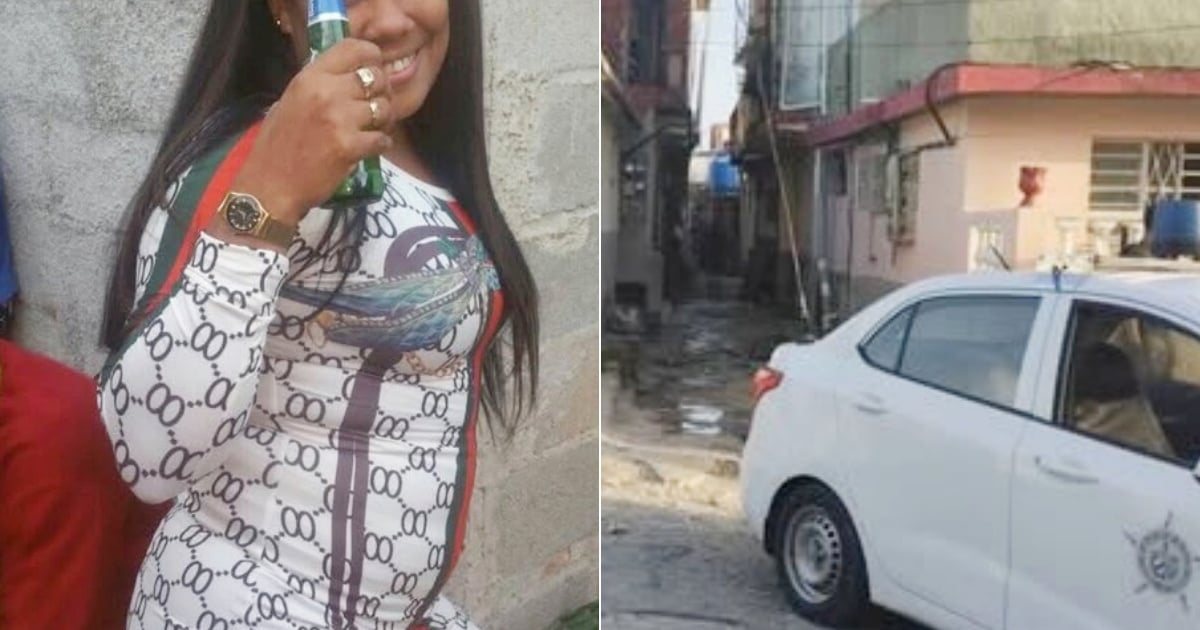
A woman in Havana has been taken into custody, accused of involvement in drug trafficking. The arrest took place in the Cocosolo neighborhood of Marianao, as reported by the pro-government source, El Cubano Fiel. According to this source, law enforcement officers apprehended her at her residence, where they discovered a quantity of the drug known as crack.
Witnesses described a swift operation: "The police arrived suddenly, and several officers emerged from the vehicles, entered the alleged trafficker's house, and after presenting a search warrant, they detained her." Locals describe the woman as having had previous run-ins with the authorities and as being a contentious figure in the community.
Following the operation, the suspect remains in custody, with the case's outcome now dependent on the judicial process. Authorities stated that this arrest means "one less drug on the streets."
Understanding Crack Cocaine
Crack cocaine is a highly addictive substance derived from cocaine. It appears as white crystals or rocks and is typically smoked using a pipe, delivering an immediate but short-lived effect. The drug is processed by mixing powdered cocaine with water and either baking soda or ammonia.
Unlike powdered cocaine, which is usually snorted, crack is smoked, allowing chemicals to rapidly reach the brain, inducing intense euphoria within seconds. Its effects manifest almost instantly, typically within 5 to 10 seconds of inhalation, but last only about 5 to 15 minutes. This results in an intense high followed by a sharp decline, often leading to anxiety, paranoia, and depression.
The short-lived yet intense effects make crack highly addictive. Users frequently develop a strong dependency, repeatedly using the drug in short intervals. Long-term use of crack can severely impact health, affecting the central nervous system, and causing heart attacks, strokes, and respiratory issues. Additionally, frequent use leads to cognitive decline and psychiatric problems, such as psychosis and severe depression. Crack is considered one of the most dangerous drugs due to its high addiction potential and severe physical and mental health repercussions.
Increased Anti-Drug Operations in Cuba
In response to the rising trafficking and use of "chemical" drugs among young people across the country, the regime has intensified efforts to combat this alarming trend through systematic police operations. These efforts have resulted in numerous arrests in Havana and other provinces and stricter legal penalties for those involved in these crimes.
Recently, the same source reported the arrest of two additional individuals for distributing "chemical" drugs in Centro Habana, near El Curita Park, a known hotspot for drug consumption and trafficking. In recent months, there have been high-profile trials resulting in sentences of up to 20 years in prison for possession and sale of narcotics.
In February, the Ministry of Justice announced the establishment of the National Drug Observatory (OND), equipped with an early warning system to identify new substances and monitor consumption and trafficking trends, in collaboration with the Police and Customs. However, the government's strategy seems insufficient against a phenomenon that continues to spiral out of control and grow.
FAQs on Drug Trafficking and Crack Cocaine in Cuba
What is crack cocaine?
Crack cocaine is a potent and addictive drug derived from powdered cocaine. It is typically smoked and delivers an immediate but short-lived high.
Why is crack considered dangerous?
Crack is considered dangerous due to its high addiction potential and its severe effects on both physical and mental health, including heart and respiratory issues, as well as cognitive decline.
How is the Cuban government addressing drug trafficking?
The Cuban government has intensified police operations and increased legal penalties to combat drug trafficking, along with establishing the National Drug Observatory for monitoring purposes.