In a rare display of candor, the state-run newspaper Girón, based in the province of Matanzas, has published a piece that lays bare the significant decline plaguing Cuba. Under the headline “The Dangers of a Nation in Decline,” journalist Guillermo Carmona acknowledges the escalating hardships across the country and paints a picture of a Cuba beset by structural deterioration, institutional decay, and everyday insecurity.
Carmona begins by asserting, “The country is rife with troubles,” clarifying that his focus is not solely on the mass exodus of young people or the aging population. Instead, he highlights how “infrastructure ages, institutions weaken, and human resources are dwindling.” From this standpoint, the article details various visible signs of this decline: accidents, collapses, diseases, outdated vehicles, neglected heritage, and a housing crisis.
Carmona recalls a warning from a firefighter involved in the rescues at the Hotel Saratoga and the fire at the Supertanker Base, stating that “accidents would increase over the years” due to the erosion of safety protocols and the deterioration of objects and buildings. The commentary notes a “rise in all types of disasters,” amplified by social media, attributing some tragedies to natural causes like deadly lightning, but emphasizing that some material conditions could lessen the impact if addressed.
The description of the automotive landscape is telling: “The Chevrolet, despite its chrome and electric blue paint, was manufactured in '56, when Benny was in vogue and Mark Zuckerberg was not yet born.” While Carmona praises Cuban ingenuity in the face of planned obsolescence, he concedes that “the struggle ends when we can no longer extend its life.”
Regarding housing, Carmona admits that the issue has persisted since 1959, with many citizens living in dilapidated buildings or watching helplessly as their homes deteriorate beyond repair. This decay extends to the architectural heritage of cities, leading to “architectural impoverishment” and unexpected collapses that destroy homes and families.
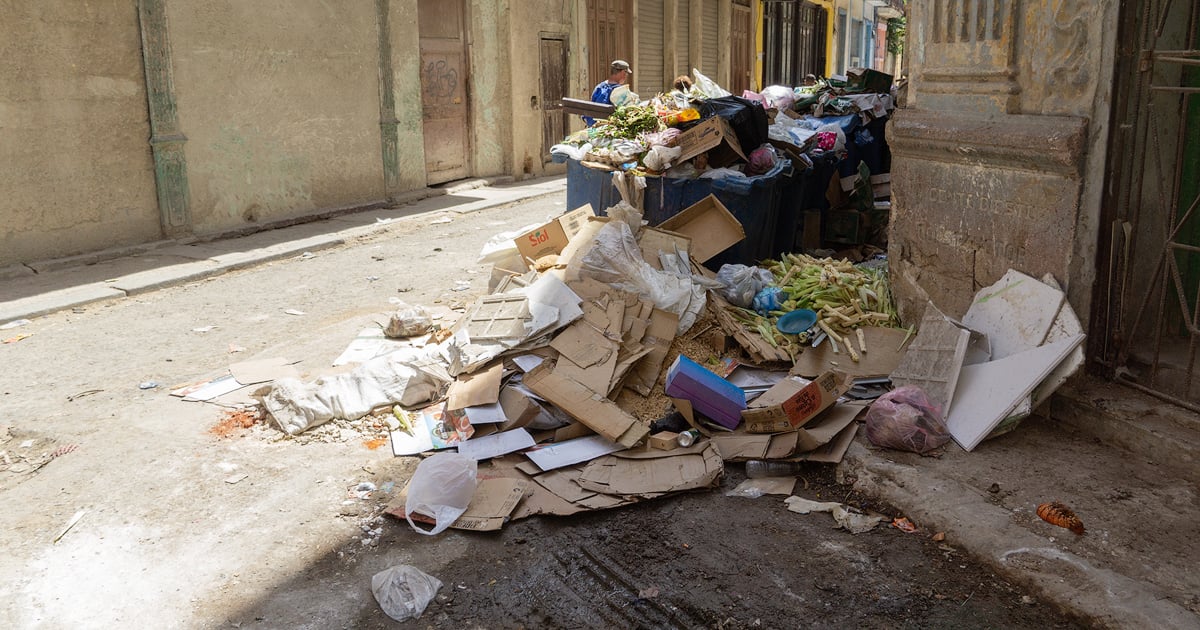
In the health sector, the piece warns that each summer sees a surge in illnesses, exacerbated by the “unsanitary conditions of the streets due to accumulating garbage, inadequate storm drains and sewage systems, and constant water supply issues.” Carmona identifies multiple causes: “external pressures” and “poor management within provinces and municipalities,” but argues that dangers are increasing: “indices of risk and variables for catastrophic outcomes are on the rise.”
The article concludes with a personal warning, implicitly leaving the responsibility of safety to the citizens: “We must be more cautious, look out for ourselves, and minimize risks.” It finishes with a stark reminder: “Survivors must live this way.”
The publication of Girón’s article comes at a time of precarious reality for many Cubans. In Matanzas, power outages exceed 22 hours in some circuits, as acknowledged by the local electric company. The energy crisis spans the entire island, with a national deficit nearing 1,800 MW, affecting basic services and the daily lives of millions.
Additionally, the health system's decline is evident. In the town of Máximo Gómez in Matanzas, more than 70% of residents reportedly suffer from fever and vomiting, lacking access to medication or diagnosis, while the absence of electricity worsens sanitary conditions. Simultaneously, the U.S. Embassy in Havana issued an alert over rising hepatitis A cases, attributed to contaminated water and garbage buildup.
The housing issue, mentioned in the piece, has also been officially acknowledged. In the first quarter of 2025, the government met only 12.4% of its housing construction plan, with no repercussions for those responsible or concrete solutions announced.
State media has touched on these issues in recent reports, such as a photo essay showing families cooking with wood due to shortages of electricity and gas, or texts advising facing the crisis “with gratitude and optimism,” despite the severity. In this context, Girón’s article stands out not only for its portrait of Cuba’s situation but for its final recommendation: that citizens must fend for themselves amidst a lack of public assurances. A tacit yet powerful admission that the country’s troubles are beyond superficial remedies.
Cuba's Ongoing Challenges and Public Response
What are the main signs of deterioration in Cuba mentioned in the article?
The article identifies several signs of decline in Cuba, including accidents, building collapses, diseases, outdated vehicles, neglected heritage, and a housing crisis.
How does the article describe the state of Cuba's infrastructure?
The article describes Cuba's infrastructure as aging, with institutions weakening, and human resources dwindling, resulting in increased risk and potential for disasters.
What is the condition of the health system in Matanzas?
In Matanzas, the health system is in decline, with over 70% of residents in Máximo Gómez experiencing fever and vomiting, lacking access to medications and diagnostics, worsened by power outages.
What final advice does the article offer to Cuban citizens?
The article advises Cuban citizens to be vigilant, protect themselves, and minimize risks due to the lack of public guarantees and the increasing dangers in the country.