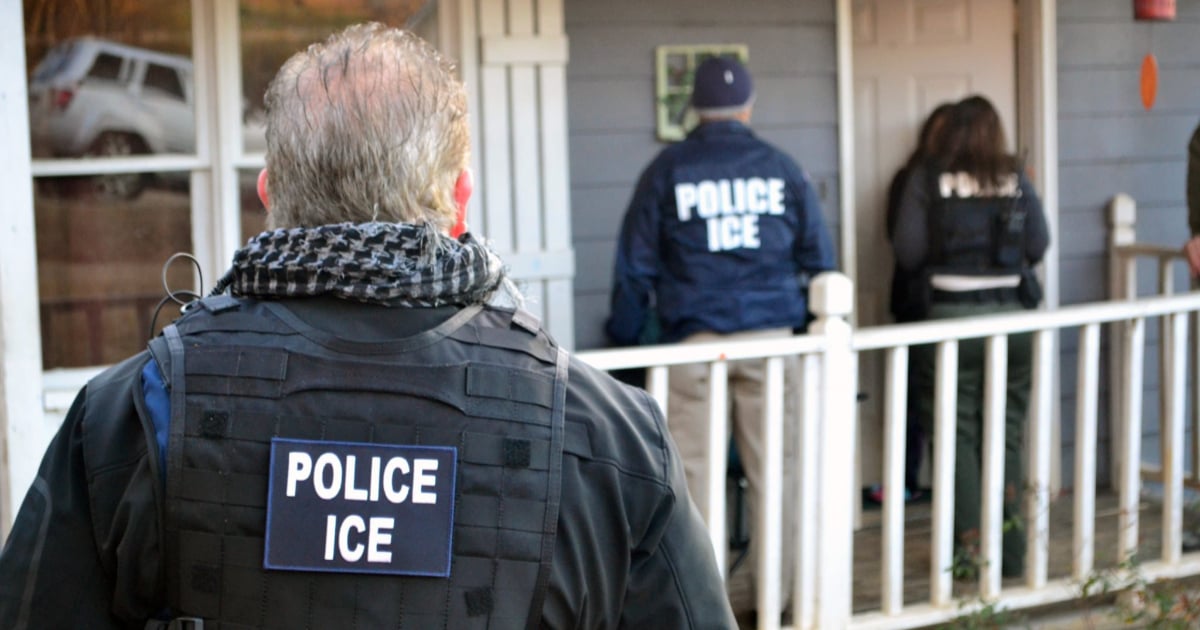
According to immigration attorneys in the United States, threats against undocumented immigrants of being reported to ICE for potential deportation have become increasingly common. However, many are unaware that in certain situations, these victims might qualify for immigration benefits that could help regularize their status.
The Growing Trend of Threats
In recent years, lawyers consulted by Telemundo 51 have noted a surge in such cases. "Roughly, I would estimate that about 20% of our cases involve these kinds of threats," explained attorney Leslie Reyes. Attorney César Montoya agreed, estimating that between 15% and 20% of his clients report similar experiences. Although Telemundo could not independently verify this increase, it is evident that every time specialists share information about these threats on social media, they receive hundreds of inquiries from people eager to understand their rights.
When Immigration Intersects with Abuse
One man, who wished to remain anonymous, shared with the network how his marriage turned into a nightmare filled with insults and deportation threats. Now, after his divorce, he hopes to obtain a work permit through the benefits of the Violence Against Women Act (VAWA). Experts warn that such coercion isn't confined to personal relationships; it also occurs between employers and immigrants, landlords and tenants, and even between parents and children. Additionally, community leaders supporting immigrants have also been targeted.
Legal Options for Victims
According to the attorneys interviewed, there are various legal avenues for those experiencing abuse related to their immigration status. One such option is the Violence Against Women Act (VAWA), which allows victims of psychological, verbal, or physical abuse—regardless of gender—to seek immigration protection. "I've had many male clients who have been threatened and subjected to psychological abuse by their partners. This includes both heterosexual and same-sex couples," clarified Reyes.
Another option is the T visa, aimed at victims of human trafficking or labor exploitation. To qualify, it's necessary to prove that the employer manipulated the employee, subjected them to abusive conditions, or denied fair payment. Experts recommend strengthening the application with a written testimony, psychological evaluations, and, if possible, statements from coworkers.
Montoya emphasized that to access these benefits under VAWA, the threat must come from a partner or a child over 21 years old with citizenship or legal residency. In the case of the T visa, employees suffering severe labor exploitation can benefit.
Speaking Out Against Threats
Despite the fear these threats may instill, experts advise against remaining silent and encourage seeking legal counsel. The message from attorneys is clear: although threats of being reported to ICE are on the rise, the law provides protection mechanisms to not only stop the intimidation but also offer a pathway toward legalizing immigration status.
Understanding Immigration Protections for Victims
What legal protections are available under VAWA?
The Violence Against Women Act (VAWA) provides immigration protection to victims of psychological, verbal, or physical abuse by a partner or a child over 21 years old with citizenship or legal residency.
How can a T visa help victims of labor exploitation?
The T visa is designed for victims of human trafficking or severe labor exploitation, allowing them to seek immigration relief by proving abusive conditions imposed by their employer.
Can men also benefit from VAWA?
Yes, VAWA provides protection regardless of gender, allowing both men and women who have faced abuse to apply for immigration relief.