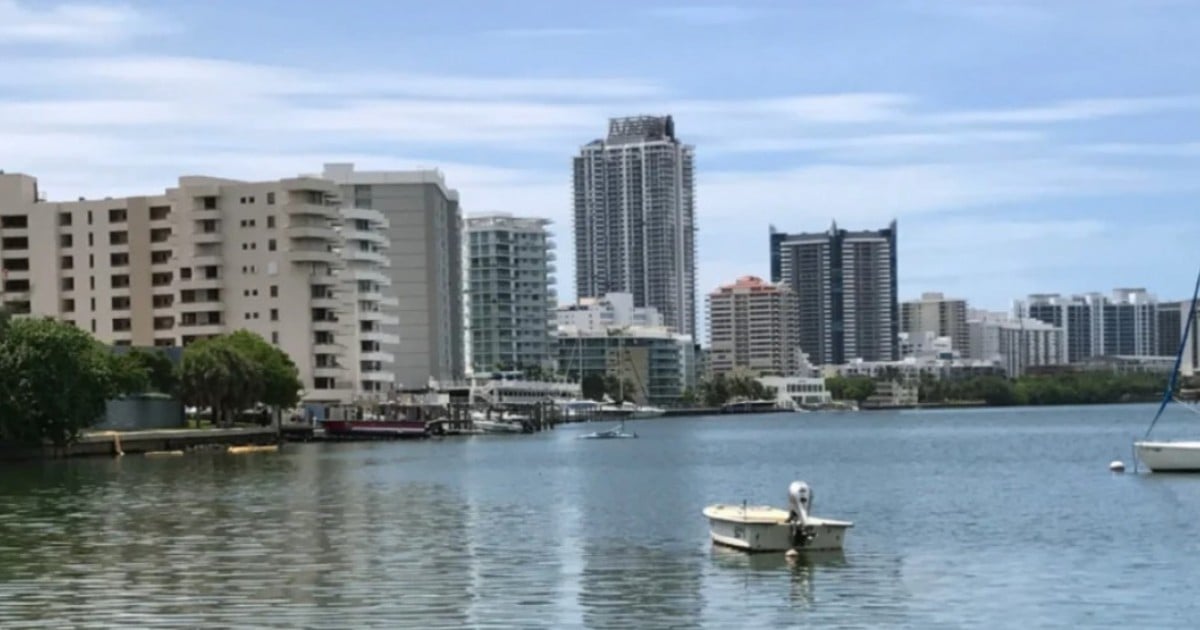
Homeowners in Miami-Dade have started finding "TRIM" notices in their mailboxes, which provide estimates of their potential property tax payments for 2025. Although increases are expected, county officials assure that they will be less severe compared to previous years. Tomás Regalado, the county's property appraiser, informed Telemundo 51 that the property tax hike this year will be less significant than last year's increase. "Ninety percent of municipalities have maintained the same millage rate as in 2024, meaning the impact on homeowners will be more subdued," he clarified.
Regalado noted that most of the tax increases are due to rising property values rather than changes in millage rates. Examples reviewed by Telemundo 51 reveal various scenarios: in Pinecrest, the estimated taxes rose by 9%, jumping from $14,300 in 2024 to $15,870 in 2025; Miami Lakes saw an increase of over 5%, and other cities are experiencing varying levels of increases. However, some municipalities like Opa-locka and Sunny Isles are considering property tax reductions.
Regalado also mentioned that the proposed millage rates will be discussed and approved during public meetings in September. Homeowners with questions about the reflected values can visit the appraiser's office in Downtown Miami. According to Regalado, "Throughout the month of September, until the 16th, officials meet with individuals, review the values, and it’s possible they leave the office with a reduction in their property value."
Recently, Regalado explained that cities within the county adjusting their rates for the next fiscal year are autonomous, making independent decisions for each municipality. "It's a choice they've made as independent cities. We've observed, for instance, a controversy in Miami Lakes or a 3% increase in Key Biscayne. Some smaller cities have also raised their rates," he pointed out. These adjustments will have a direct impact on the bills homeowners receive.
Not all news is negative for taxpayers. Certain areas will see reductions in their rates, which is not always the case in the county. For example, Sunny Isles Beach will lower its property tax by 6%, and the Downtown Development Authority (DDA) area in Miami will see a 10% reduction.
Regalado emphasized that taxpayers have the right to appeal if they believe the amount assigned to their property is unfair or incorrect. "Once they've received the notice, there's an opportunity to come in and file a review petition until September 16th," he explained. He also recommended residents attend budget discussions organized by each city or public entity. These meetings are forums where citizens can request a rate reduction or challenge proposed increases.
On the state level, Florida Governor Ron DeSantis has reiterated his aim to eliminate property taxes. In April, he stated that among all taxes affecting Floridians, property taxes are the most significant. "When people talk to me about taxes, 99% refer to property taxes," he added. DeSantis proposed a plan for $1,000 rebate checks per household as a property tax discount and seeks to include a constitutional amendment on the 2026 ballot to abolish these taxes.
The governor stressed that the tax reduction would solely benefit Florida homeowners and residents: "I want Canadian and Brazilian tourists to subsidize the state while Florida residents pay less in taxes. I don't want to give Canadians a tax cut." According to DeSantis, this measure would allow each household to save approximately $1,000 annually.
Beyond taxes, Florida has implemented new safety and financing measures for condominiums following the 2021 Champlain Towers South collapse in Surfside, which resulted in 98 deaths. The legislation, effective from July 1, modifies structural inspection standards and eases financial mechanisms for condominium associations. "We've heard the concerns of condominium owners across Florida and are implementing reforms that will offer financial relief and flexibility, strengthen oversight of condo associations, and empower unit owners," the Republican leader detailed then.
The state has also tightened measures against the illegal occupation of private properties with the approval of Bill 621, allowing rapid eviction of illegal occupants and establishing criminal penalties for filing false documents. "You're not going to come here and stay on someone else's property without facing consequences. We're providing effective and prompt remedies for those who harm homeowners," DeSantis affirmed last March.
Lastly, in July, the governor signed a $1.6 billion tax cut package, which includes the elimination of the state tax on commercial leases starting October 1, a measure that will particularly benefit small business owners. With these actions, Florida continues to position itself as an attractive destination for high-income property owners and taxpayers seeking lower tax burdens, greater security, quality of life, and economic opportunities, resulting in increased migration to the state from other regions of the country. The elimination of the 2% tax on commercial leases starting October 1 has been anticipated for years by small business owners. It is estimated to reduce state and local revenues by over $1.1 billion in the next fiscal year.
Understanding Property Tax Changes in Miami-Dade
Why are property taxes increasing in Miami-Dade?
The primary reason for the increase in property taxes is the rise in property values rather than changes in millage rates.
Can homeowners appeal their property tax assessments?
Yes, homeowners can appeal if they believe their property assessment is incorrect. They have until September 16th to file for a review.
What are some of the new measures Florida has implemented for condominiums?
Florida has introduced new safety and financing measures for condominiums, including changes to structural inspection standards and financial mechanisms for associations.
What impact will the elimination of the state tax on commercial leases have?
The elimination of the state tax on commercial leases, effective October 1, is expected to benefit small business owners and reduce state and local revenues by over $1.1 billion in the next fiscal year.