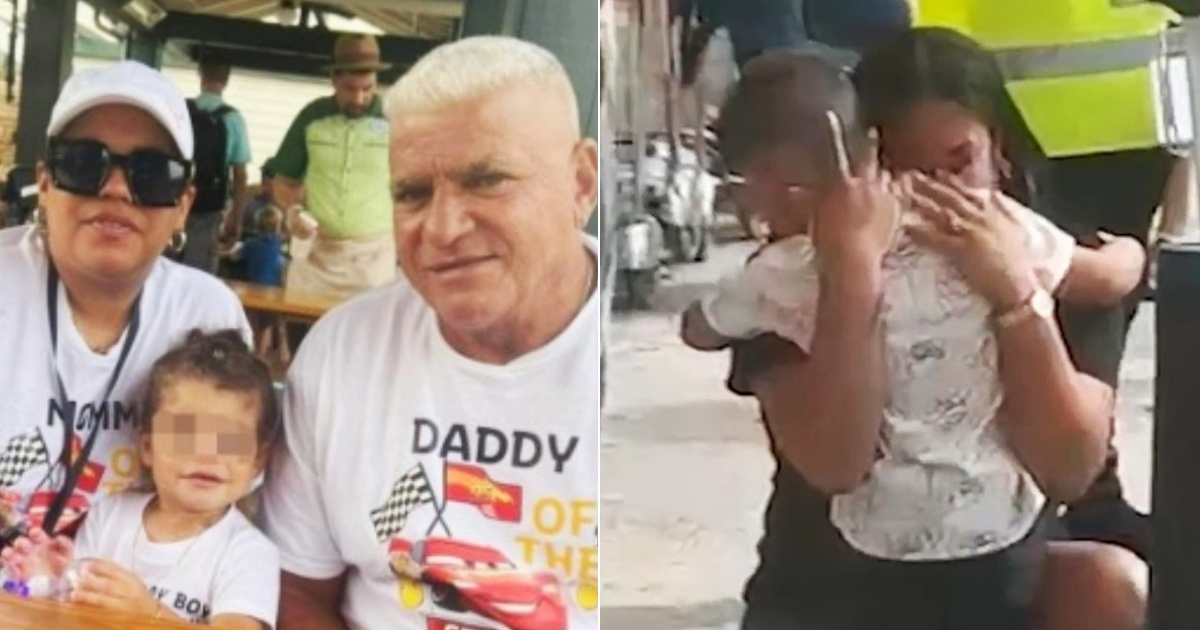
After enduring a year filled with heartache, Cuban native Vivian Limonta has finally embraced her young son once more. The four-year-old, diagnosed with Attention Deficit Hyperactivity Disorder (ADHD), traveled from the United States to Cuba to reunite with his mother, who was deported in 2024 after residing in Miami for four years. A video broadcast by Telemundo 51 captured the poignant moment when mother and son shared an emotional hug at the Cuban airport.
The child immediately recognized his mother, and they clung to each other as if trying to reclaim every lost day in an instant. This moving scene starkly contrasts with the harsh legal situation keeping the family apart. Limonta remains unable to return to the United States, where her husband, a U.S. citizen, resides, and where their son, with special needs, continues to grow up.
Is Return to the U.S. Possible for a Deported Mother?
While Vivian Limonta's immigration future remains uncertain, there is a glimmer of hope. Immigration attorney Gladys Carradeguas, not directly involved in the case, explained that there are legal avenues that might allow a deported individual to bypass the complete duration of the "bars of inadmissibility" imposed by the U.S. government.
“She may not have to wait the full time of the bars imposed by the United States, whether they are three, five, ten, twenty years, or permanent bars to re-entry,” Carradeguas clarified. These bars represent timeframes during which someone who has been unlawfully present in the U.S. cannot legally return unless they secure a waiver. Various types exist, including:
- 3-year bar: for those unlawfully present between 180 days and a year.
- 10-year bar: for those exceeding one year of illegal presence.
- Permanent bar: for re-entry after a deportation.
- 5 or 20-year penalties for immigration fraud or prior removals.
For Limonta, hope might lie in two specific waivers:
“She could apply for the I-212 waiver, which covers deportations, and also for inadmissibility waivers like the I-601,” the attorney noted. The legal process would begin with a family petition, followed by the appropriate waiver applications, and, if approved, a consular process. Carradeguas emphasized the importance of assessing eligibility and the availability of family members who could demonstrate extreme hardship if she was not allowed to return:
“It is essential to determine if the person qualifies and if there is a family member who would suffer irreparable harm. In this case, the U.S. citizen husband and the child with special needs,” she stressed.
A Sudden Deportation Shatters a Family
Vivian Limonta was deported to Cuba on August 27, 2024, after spending a month in detention at the Broward Detention Center. Her life took an unexpected turn following her fifth routine immigration appointment at the Miramar office.
“On July 15, I went to sign, and at 12:30, a deportation officer informed me I would be transferred to Broward,” Limonta recalled, speaking shortly after her removal. She had lived in the U.S. since 2020 under an I-220B, a document permitting her legal stay while her immigration case was processed. Nothing suggested she would be detained and deported.
The separation was especially painful given her son’s medical condition and the challenges her husband, Osmani Pérez, faced raising him alone. “My mind is there, thinking about that child and the struggles his father is enduring. It’s the hardest thing I’ve ever experienced,” Limonta said, visibly emotional from Havana.
Pérez, a U.S. citizen, also expressed his frustration: “I can do everything possible as a father, but now I’m both a father and mother. A mother’s love can’t be replaced,” he lamented. “I’m truly disappointed with this country. I’ve been here for 31 years, I’m a citizen, and the child was born here. I don’t understand why that isn’t considered,” he stated in 2024.
From the island, Limonta has called for a second chance: “What is happening is not fair… It’s unjust to be separating mothers from their children.” She also made a direct plea to immigration authorities: “I urge ICE to consider each case individually before making decisions that can tear families apart.”
The recent reunion between mother and son has provided emotional relief, yet the legal issue remains unresolved. The family is still divided by borders and a system that, while equipped to address such situations, often fails to respond with the speed and compassion required by the most vulnerable cases.
Understanding the Legal Challenges of Family Reunification
What are the “bars of inadmissibility” in U.S. immigration law?
Bars of inadmissibility are time periods during which someone who has been unlawfully present in the United States cannot return legally unless they secure a waiver. These bars vary from 3 to 10 years, or even permanently, depending on the circumstances of their illegal presence or re-entry.
How can a deported individual return legally to the U.S.?
A deported individual may return legally to the U.S. by obtaining waivers such as the I-212 or I-601, which allow for re-entry despite previous inadmissibility. These processes often require proving extreme hardship to U.S. citizen family members.
What impact does a deportation have on families?
Deportation can have devastating effects on families, separating parents from children and spouses, leading to emotional distress and financial difficulties. It often places significant strain on the remaining family members who must fill dual roles.