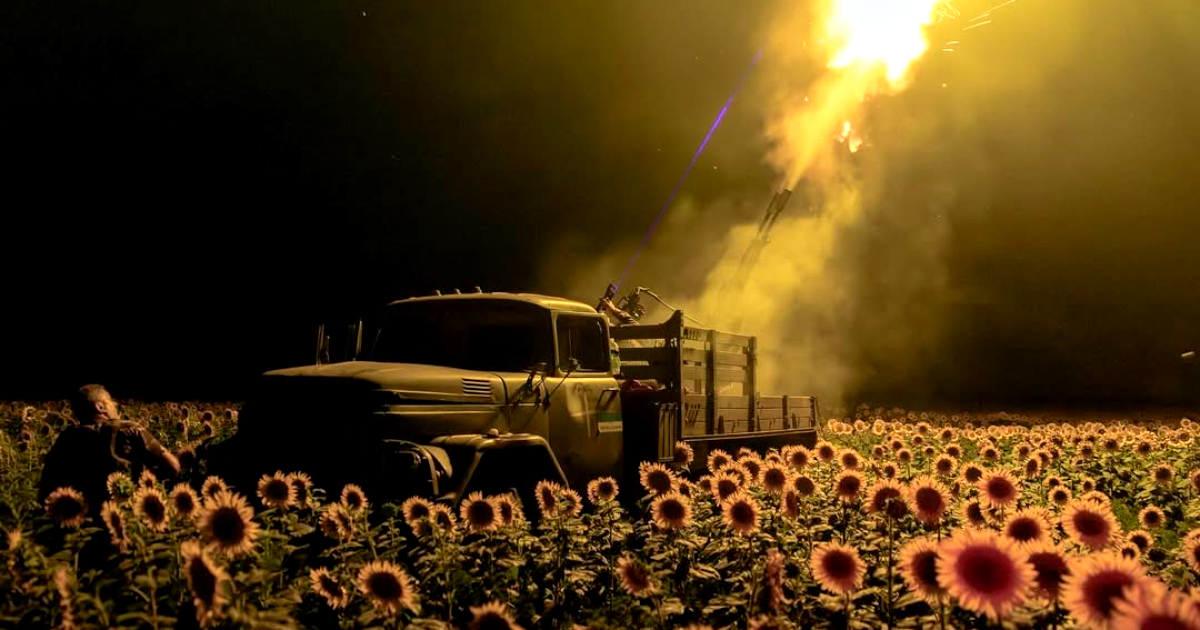
On August 24, Ukraine observes the 34th anniversary of its independence from the Soviet Union, a milestone declared in 1991. This year, the celebration is overshadowed by the ongoing conflict ignited by Russia's 2022 invasion. Amidst the devastation and sacrifices endured by millions of Ukrainians, their determination is bolstered by international solidarity, notably from the United States and other Western democratic leaders who have reaffirmed their commitment to Ukraine's sovereignty.
Solidarity from the West
Western leaders, including the President of the United States, extended messages of support to Ukraine on this significant day. In an official letter, the U.S. President praised the unyielding spirit of the Ukrainian people and emphasized the necessity for a just and lasting peace.
The letter stated:
"On behalf of the American people, I extend my congratulations and warmest wishes to you and the courageous people of Ukraine as you celebrate 34 years of independence. The Ukrainian spirit is unbreakable, and your nation's courage inspires many. As you mark this important day, know that the United States respects your struggle, honors your sacrifices, and believes in your future as an independent nation. Now is the time to end the senseless loss of life. The United States supports a negotiated agreement leading to lasting peace that ends the bloodshed and safeguards Ukraine's sovereignty and dignity. May God bless Ukraine."
In response, Ukrainian President Volodymyr Zelensky expressed gratitude via X (formerly Twitter), highlighting the significance of Washington's support:
"Dear @POTUS, thank you for your heartfelt congratulations on Ukraine's Independence Day. We appreciate your kind words towards the Ukrainian people and thank the United States for standing shoulder to shoulder with Ukraine in defending what is most valuable: independence, freedom, and guaranteed peace. We believe that by working together, we can end this war and achieve true peace for Ukraine."
The Historical Context of Independence
Ukraine's path to independence on August 24, 1991, came after the Soviet Union's collapse, with over 90% of voters supporting the definitive break from Moscow in a subsequent referendum. The fledgling nation faced significant challenges, inheriting a devastated economy and the world's third-largest nuclear arsenal, which positioned Ukraine as a pivotal player in the post-Cold War geopolitical landscape.
The Budapest Memorandum and Russia's Betrayal
In 1994, Ukraine agreed to relinquish its nuclear weapons to Russia in exchange for security assurances. The Budapest Memorandum, signed by the United States, United Kingdom, and Russia, pledged to respect Ukraine's independence, sovereignty, and territorial integrity, abstaining from force or economic coercion.
However, Russia's 2014 annexation of Crimea and the full-scale invasion in 2022 violated these commitments, actions condemned by Kyiv as historical betrayal, undermining international agreements and exposing the Kremlin's willingness to break its own promises.
Enduring Conflict and Resistance
Now over two years into the invasion, Ukraine has shown resilience, thanks in part to Western allies. The war has resulted in thousands of casualties, millions displaced, and severely damaged infrastructure. Despite these challenges, Ukraine's resistance has demonstrated remarkable organization and sacrifice, inspiring global support.
Zelensky has insisted that Ukraine will not concede its independence or sovereign right to determine its future. For Kyiv, territorial concessions would mean legitimizing aggression and inviting future invasions.
A Nation's Determination Amidst War
The 34th anniversary of independence finds Ukraine at a critical juncture: strengthened in its national identity, reliant on Western military and economic aid, and resolute in standing against an adversary that has broken all promises. Messages from Washington and Zelensky's response underscore that, despite the tragedy, Ukraine is not alone.
The independence declared in 1991 was not merely a political statement but a national project now defended both on the battlefield and in international diplomacy. As Zelensky has stated, independence and freedom are "the most valuable," and this anniversary reaffirms that the Ukrainian people, far from surrendering, continue their fight to preserve both.
Key Questions About Ukraine's Independence and Ongoing Conflict
What significant challenges did Ukraine face after declaring independence in 1991?
After declaring independence in 1991, Ukraine faced a devastated economy and inherited the world's third-largest nuclear arsenal, making it a key player in the post-Cold War geopolitical landscape.
How has the United States shown support for Ukraine during the ongoing conflict?
The United States has shown support for Ukraine by extending messages of solidarity, providing military and economic aid, and advocating for a negotiated agreement to achieve lasting peace and uphold Ukraine's sovereignty.
What is the Budapest Memorandum, and how did Russia violate it?
The Budapest Memorandum was an agreement where Ukraine surrendered its nuclear arsenal in exchange for security assurances from the United States, United Kingdom, and Russia. Russia violated this agreement by annexing Crimea in 2014 and invading Ukraine in 2022.