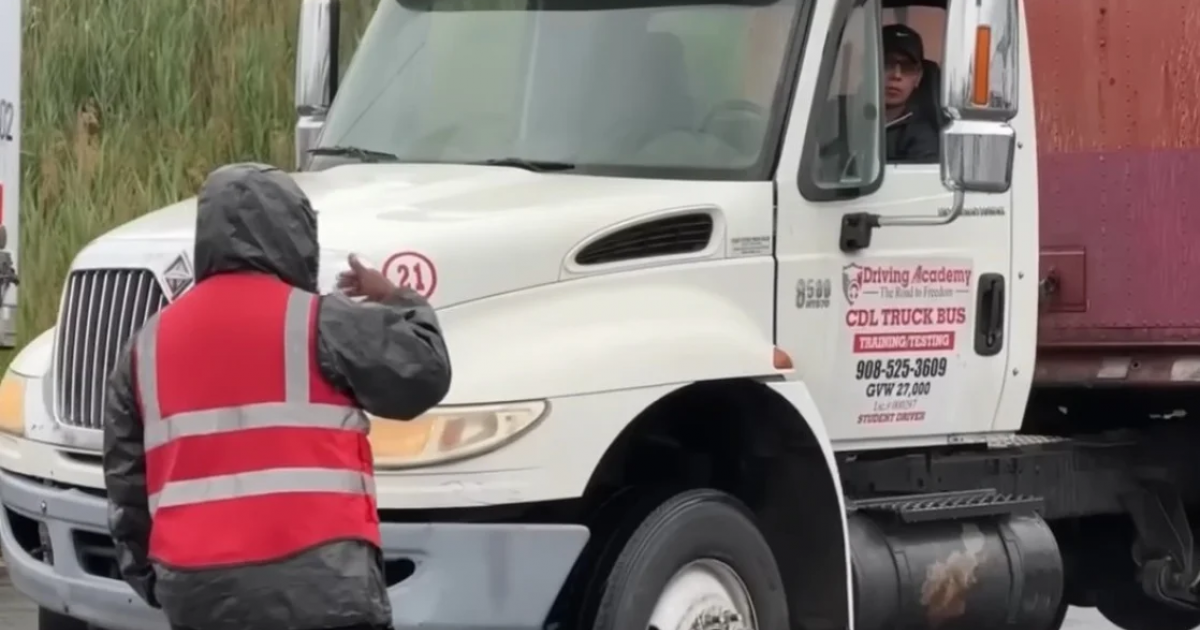
The United States recently declared a halt on issuing work visas for foreign truck drivers, a decision that has sparked concern within the transportation sector and, according to experts, carries more political implications than practical ones. Secretary of State Marco Rubio made the announcement through a brief message on the social media platform X, explaining that these workers "endanger American lives and undermine the livelihoods of local truckers."
This measure arises amid heightened tensions following an accident in Florida involving an Indian-origin driver residing illegally in the U.S., which resulted in the death of three individuals. The incident quickly escalated into a national political debate, with Florida officials blaming California's immigration policies—where the driver obtained a commercial license despite his immigration status—while allies of Governor Gavin Newsom accuse Ron DeSantis's administration of exploiting the tragedy for electoral purposes.
Impacted Visa Categories
According to the State Department, the suspension will focus on three visa categories:
- H-2B, intended for temporary workers. In the last fiscal year, only about 1,500 visas of this type were issued to drivers, representing less than 2% of the program's total.
- E-2, for foreign investors in U.S. businesses.
- EB-3, applicable to skilled workers across various sectors, from healthcare to specialized trades.
However, Mexican and Canadian drivers entering with B-1 visas will not be affected, providing relief to associations like the Laredo Motor Carriers Association, which feared a broader impact on border operations.
Road Safety Versus Immigration Politics
This decision is part of a broader strategy by the Trump administration to enhance road safety standards. In June, a mandate came into effect requiring commercial truck drivers to demonstrate English proficiency as an essential requirement for working on U.S. roads, following incidents where lack of understanding of signage contributed to fatal accidents.
While independent trucking groups, such as the Owner-Operator Independent Drivers Association, applauded the suspension, arguing there is no "driver shortage" and that many companies merely seek to cut costs by hiring foreigners, others view the move as politically motivated. Jeff Joseph, president of the American Immigration Lawyers Association, labeled the announcement as a tactic to "generate fear and panic" around foreign drivers.
Potential Impact on the Transportation Sector
The U.S. transportation industry has long been grappling with a structural driver shortage, leading to the approval of over 64,000 additional H-2B visas in 2024 to fill vacancies. The new halt could exacerbate logistical challenges: delivery delays, increased operational costs, and heightened pressure on supply chains already strained post-pandemic.
Though the suspension's scope is limited—affecting only a few thousand drivers compared to the 3.5 million commercial truckers in the country—the political impact is significant. It places immigration once again at the forefront of the electoral debate, using road safety as the main argument.
Amid the controversy, the crucial question remains: Is this a genuine effort to protect lives on the roads, or a political maneuver to bolster the anti-immigration narrative ahead of the elections?
Understanding the Suspension of Truck Driver Visas
What types of visas are affected by the suspension?
The suspension affects H-2B visas for temporary workers, E-2 visas for foreign investors, and EB-3 visas for skilled workers in various sectors.
Are Mexican and Canadian drivers impacted by this suspension?
No, Mexican and Canadian drivers entering with B-1 visas are not affected by this suspension.
What are the potential effects on the U.S. transportation industry?
The halt could lead to logistical challenges, including delivery delays, increased operational costs, and additional pressure on already strained supply chains.
What is the political context behind the suspension?
The suspension has sparked a political debate, with some viewing it as a tactic to fuel anti-immigration sentiment ahead of elections, while others see it as a necessary road safety measure.