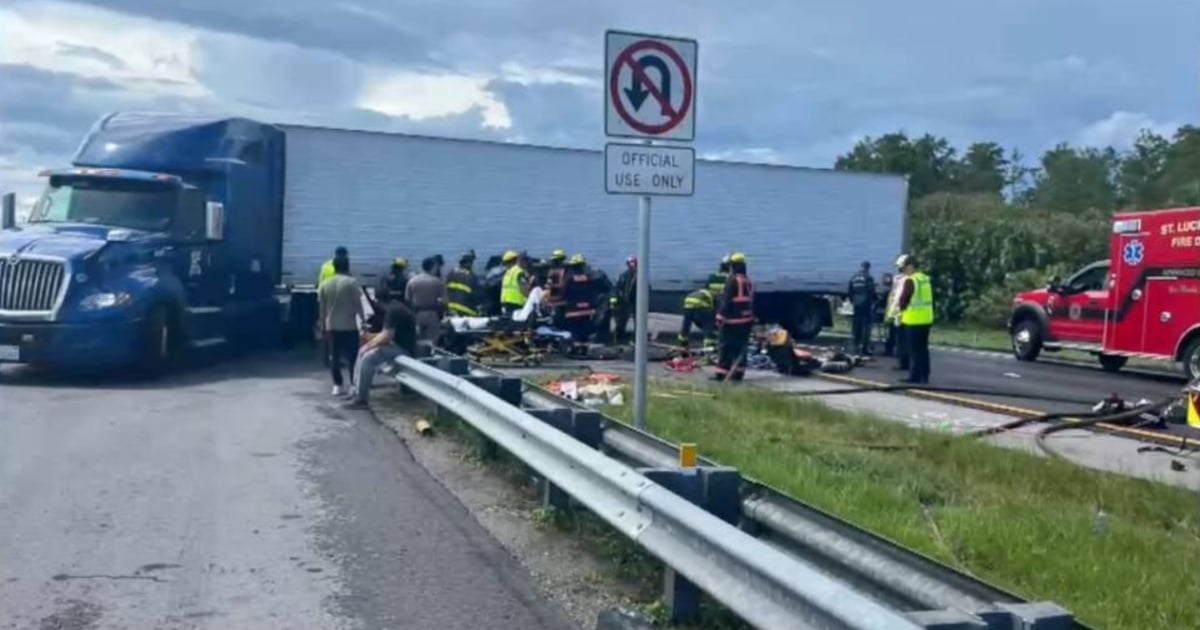
A Florida judge has denied bail to Harjinger Singh, a 28-year-old truck driver accused of causing a deadly crash on the Turnpike in Fort Pierce that resulted in three deaths. Singh faces multiple charges, including vehicular homicide and involuntary manslaughter, following allegations that he attempted an illegal U-turn on August 12 in a zone designated for "official use only," as reported by NBC Miami.
During this maneuver, his truck blocked all lanes of traffic, leading to a collision with a minivan that became trapped beneath the trailer. The tragic crash claimed the lives of a 30-year-old man from Florida City, a 37-year-old woman from Pompano Beach, and a 54-year-old man from Miami. The driver of the minivan succumbed to injuries at the hospital, while the other two passengers were pronounced dead at the scene.
In the courtroom, the judge ruled Singh to be a significant flight risk after evidence showed he has been residing illegally in the United States since 2018, having entered through the Mexican border. This case has sparked national debate, particularly because Singh was able to acquire a commercial driver's license in California despite failing to meet language and residency requirements.
Official records indicate he failed the English proficiency test and did not provide proof of residence, yet managed to obtain the license via the federal SAVE system. Both federal and state authorities have announced investigations targeting Singh and his employer, White Hawk Carrier. The Department of Transportation has pledged to tighten English language requirements for truck drivers, amid growing criticism over the lack of oversight in granting commercial licenses to undocumented immigrants.
Singh will remain in ICE custody as the legal proceedings continue.
Key Questions about the Florida Truck Accident Case
What charges is Harjinger Singh facing?
Harjinger Singh is facing charges of vehicular homicide and involuntary manslaughter for his role in the fatal crash.
Why was Singh considered a flight risk?
The judge deemed Singh a flight risk due to his illegal residence status in the U.S. since 2018, after entering through the Mexican border.
What oversight issues have been highlighted in Singh's case?
Critics point to the lack of control in issuing commercial driver's licenses to immigrants without legal status, as Singh obtained his license despite not meeting language and residency requirements.