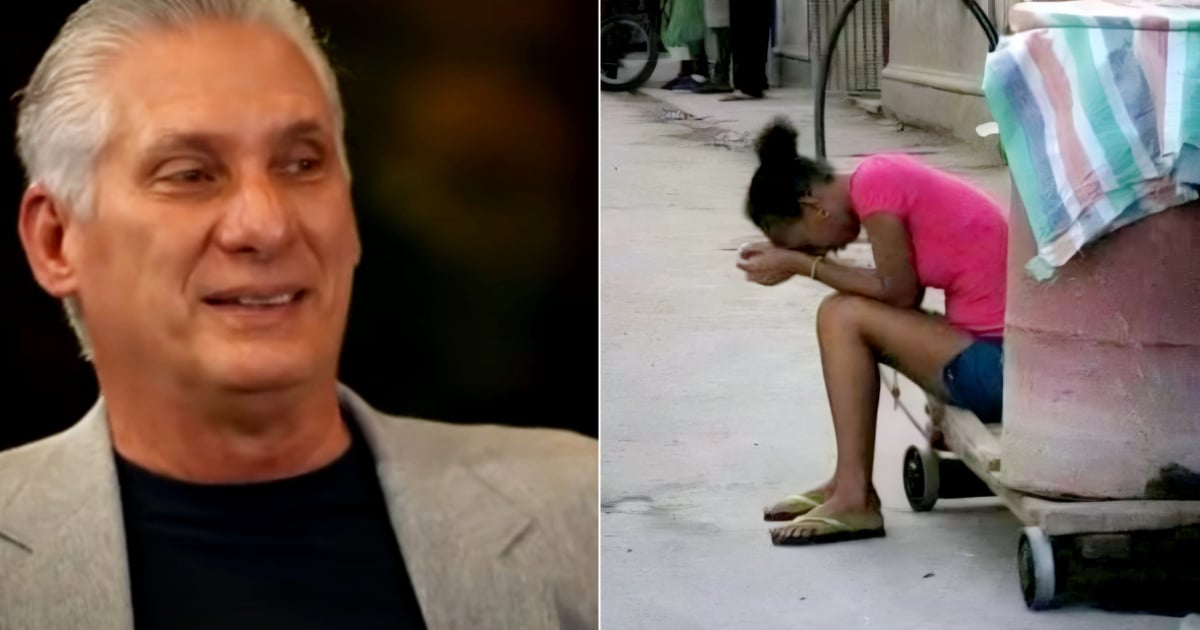
Amidst a severe energy crisis characterized by daily blackouts, shortages of essential goods, and soaring inflation, Cuban leader Miguel Díaz-Canel has ignited a wave of outrage on social media. His recent message applauding Cuban women for their "creative resilience" has been met with widespread criticism. "When I speak of creative resilience, I think of Cuban women. For their generous commitment to the common cause, smiling in adversity and singing in triumph. Congratulations, dear comrades, for this revolution within the Revolution that you lead," Díaz-Canel wrote on his X account (formerly Twitter).
Instead of garnering support, the post was flooded with criticism from users highlighting the gap between the government's rhetoric and the harsh reality faced by most women on the island. "What’s 'creative resilience' about washing menstrual cloths? That’s poverty," commented one outraged user. Another noted, "Cuban women not only don’t smile, but they endure the harshness of daily life, while your wife shamelessly enjoys the sweet life."
Many comments emphasized the extreme conditions faced by women in Cuba, especially mothers, retirees, and professionals who must survive on meager salaries amidst a lack of basic goods, crumbling housing, and hospitals with no supplies. "Cooking with coal in 2025, over 24 hours without power, no food, no decent salary. Creative resilience, if anything," lamented another user. Several pointed out that many women have turned to prostitution as their only means of survival in a country with minimal economic opportunities, as the exodus continues to tear families apart.
Even harsher critiques brought attention to the plight of female political prisoners, such as the Ladies in White, and the repression against those who have raised their voices for freedom. The phrase "creative resilience," turned into a regime slogan, was widely mocked and condemned as a cynical attempt to gloss over the poverty and despair experienced by the Cuban people.
The responses to the tweet made it clear that, far from feeling represented by the official message, many Cuban women feel ignored, exploited, and used by a system that they claim has condemned entire generations to hardship.
Propaganda and the "Creative Resilience" Narrative
The term "creative resilience" has become worn out in Díaz-Canel's rhetoric. Since at least 2022, the leader has repeatedly invoked it as a solution to Cuba's structural crisis. He has used it to urge citizens to "resist by creating" amidst shortages, congratulating workers, nurses, teachers, and parents alike, always in a tone that seeks to frame sacrifice as a virtue.
In various public addresses and official messages, Díaz-Canel has insisted that this "resilience" is the key to overcoming difficulties, yet he has never proposed concrete solutions to address the root causes of these problems. In practice, the term has become a propaganda tool aimed at justifying daily hardships and shifting the burden of the crisis onto the citizens, appealing to a supposed "heroism" that amounts to nothing more than the resignation and patience of Cubans.
Understanding the Impact of "Creative Resilience" in Cuba
What does "creative resilience" mean in the context of Cuba?
"Creative resilience" in Cuba refers to the government's encouragement for citizens to find innovative ways to cope with shortages and hardships, often without addressing the underlying issues causing these problems.
How have Cuban women responded to Díaz-Canel's message?
Many Cuban women have reacted negatively to Díaz-Canel's message, expressing anger and highlighting the disconnect between official rhetoric and their challenging daily realities.
Why has the term "creative resilience" been criticized?
The term has been criticized for being a propaganda tool that glosses over the true hardships faced by Cubans, shifting responsibility for enduring these conditions onto the citizens themselves.