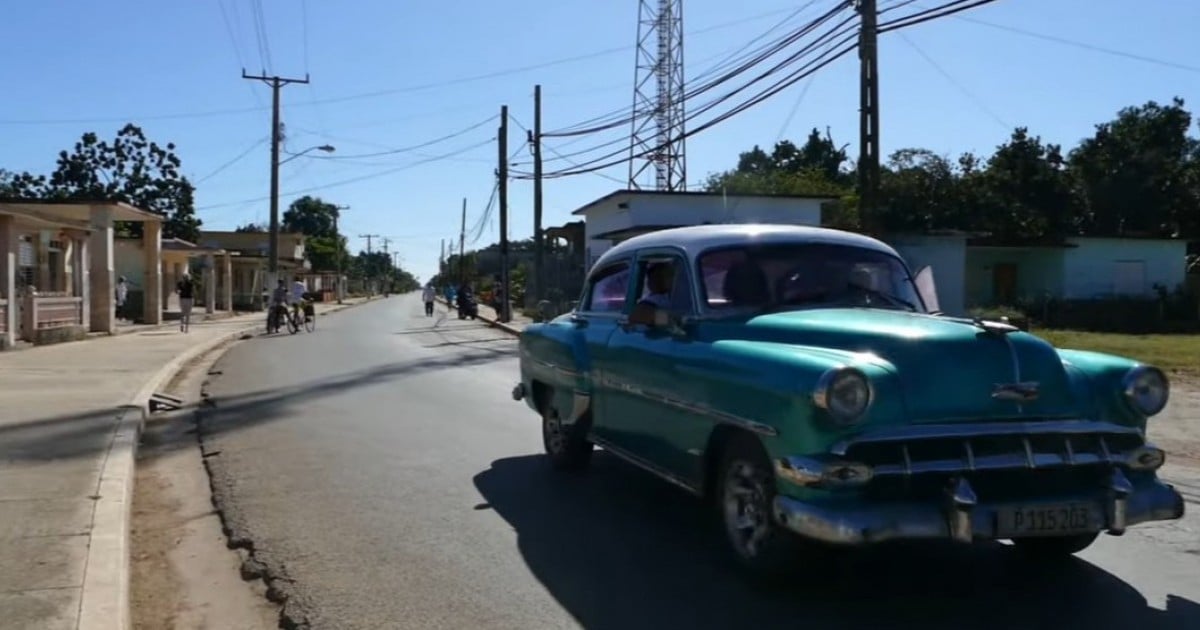
An antique car caught fire in the town of Torriente, located in the Jagüey Grande municipality of Matanzas, due to the improper transportation of a large quantity of fuel. This incident took place on a public street, specifically on 13-B Street, resulting in the complete destruction of the vehicle and causing damage to two nearby homes. Fortunately, no human casualties were reported.
The vehicle involved was a red 1953 Chevrolet, driven by Israel Salcedo Sánchez, a resident of the same locality. The official Facebook page "Con Todos La Victoria" revealed that the trunk contained 60 liters of gasoline stored in a plastic bag, a hazardous practice that likely contributed to the rapid spread of the flames.
Eyewitness Accounts and Public Reaction
Local residents who witnessed the event expressed their concern and criticized the makeshift handling of fuels. A self-employed worker explained that many resort to such storage methods due to the chronic fuel shortages, as they need to keep generators running to preserve food. Others, however, condemned the recklessness: "Transporting gasoline in such a fragile container is irresponsible, endangering lives," commented a neighbor on social media.
A resident of Matanzas added that beyond the loss of the car and fuel, the driver might face legal consequences for the damage to private property. Some pointed to the root of the issue being the unequal access to fuel: "If gasoline were sold nationwide in the local currency, as it is in Havana, these incidents wouldn't occur," opined another local entrepreneur.
A Growing Concern
Vehicle fires have become increasingly common in Cuba, driven by the deterioration of the automotive fleet and the poor quality of fuels. Just last May, a yellow taxi caught fire on Santa Rosa Street in Santiago de Cuba, alarming residents and drawing criticism over the slow response by firefighters. Though no one was injured, a house was affected.
Another incident occurred days later in Havana when a P16 route bus experienced the start of a fire due to an oil leak in the rear. In that case, quick action by the driver and locals helped control the situation without significant damage.
Back in March, fires were also reported in a patching truck in Cotorro and a Mercedes-Benz from Gardis company in Matanzas, both completely destroyed.
A Wake-up Call
The Torriente incident underscores the vulnerability of vehicles on Cuban roads and the dangers of unsafe fuel handling. Although no injuries were reported in this latest event, it reignites discussions about the precarious state of transportation, energy shortages, and the urgent need for better technical checks and preventive measures in handling flammable materials.
Understanding Vehicle Fire Risks in Cuba
What caused the car fire in Torriente?
The car fire in Torriente was caused by the improper transportation of gasoline, specifically 60 liters stored in a plastic bag in the trunk, which facilitated the spread of the flames.
How common are vehicle fires in Cuba?
Vehicle fires are becoming more frequent in Cuba due to the deterioration of the automotive fleet and the low quality of available fuels.
What are the legal consequences for unsafe fuel handling?
Drivers involved in incidents like the one in Torriente may face legal repercussions for damages to private property and endangering public safety.