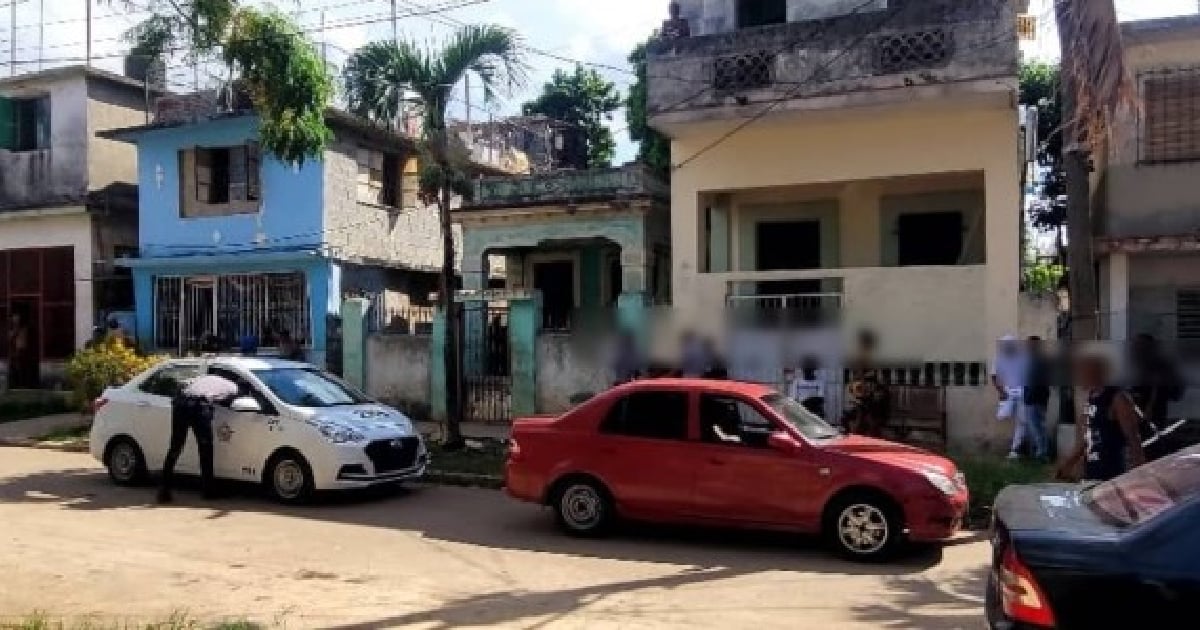
Authorities from the Ministry of the Interior have apprehended two individuals suspected of distributing the synthetic drug known as the "chemical" or "little paper" during a recent operation in Playa, Havana. The suspects, a man and a woman whose names remain undisclosed, were caught in a police crackdown in the Buenavista neighborhood, as reported via a Facebook post by Elizabeth Ferrer, a person associated with the Ministry.
The operation, executed by the Anti-Drug Unit alongside other Ministry forces, occurred on 62nd Street, between 25th and 27th Avenues. It represents ongoing efforts to curb the illegal drug trade in the area, according to the statement. "Those involved will now face legal consequences for their actions, sending a clear message that impunity will not be tolerated when it comes to safeguarding the health and safety of the young population," the report warned.
The statement further emphasized that Cuban authorities remain committed to eradicating such practices to ensure a safer environment for everyone. With a rise in the trafficking and consumption of the "chemical" and other drugs among youth across the nation, the government has intensified its crackdown through systematic police operations. These efforts have led to numerous arrests in Havana and other provinces, alongside stricter legal penalties for those convicted of these crimes.
Just a day before, the same source reported the arrest of two more individuals for distributing the "chemical" in Centro Habana, near El Curita Park, an area notorious for drug use and trafficking. In recent months, exemplary trials have resulted in sentences of up to 20 years in prison for drug possession and distribution.
In February, the Ministry of Justice launched the National Drug Observatory, equipped with an early warning system to detect new substances and monitor consumption and trafficking trends, supported by the police and customs. Despite these measures, the government's strategy seems insufficient against a phenomenon that continues to spiral out of control.
Over recent years, the sale and use of the "chemical" have spread across Cuba, exacerbated by the nation's worsening economic and social crisis. Its low price, easy availability, and quick effect have fueled its popularity among young Cubans. Experts classify this drug as part of the synthetic cannabinoids group—substances designed to mimic marijuana yet possessing significantly higher potency and toxicity. Its effects are said to be 50 to 100 times stronger than tetrahydrocannabinol (THC), the active component in marijuana.
Marketed in tiny paper squares infused with the substance, the "chemical" is typically inserted into a cigarette. Each dose produces effects lasting between 20 and 40 minutes. The adverse side effects range from intense agitation, rapid heartbeat, and high blood pressure to severe hallucinations, psychosis, seizures, heart attacks, and even death.
Understanding the Drug Problem in Cuba
What actions are Cuban authorities taking to combat drug trafficking?
Cuban authorities are intensifying police operations and implementing stricter legal penalties to combat drug trafficking. They have also launched the National Drug Observatory to monitor drug trends.
Why is the "chemical" drug so prevalent among Cuban youth?
The "chemical" drug is prevalent due to its low cost, easy access, and quick effects, which have made it popular among Cuban youth amidst the country's economic and social challenges.
What are the health risks associated with using the "chemical" drug?
Health risks of using the "chemical" include severe agitation, rapid heartbeat, high blood pressure, hallucinations, psychosis, seizures, heart attacks, and even death.