The recent warning from immigration attorney Rosaly Chaviano has sparked concern among Cubans living in the United States. Her advice is clear: "If you're not a U.S. citizen, it's best not to travel." This caution stems from the legal risks faced by those who have yet to obtain citizenship.
In a discussion with Telemundo 51 Miami, Chaviano explained that while the law doesn't explicitly bar residents who gained status through the Cuban Adjustment Act from returning to the island, the situation is different for individuals granted refuge or political asylum. These individuals are prohibited from returning to the country they fled.
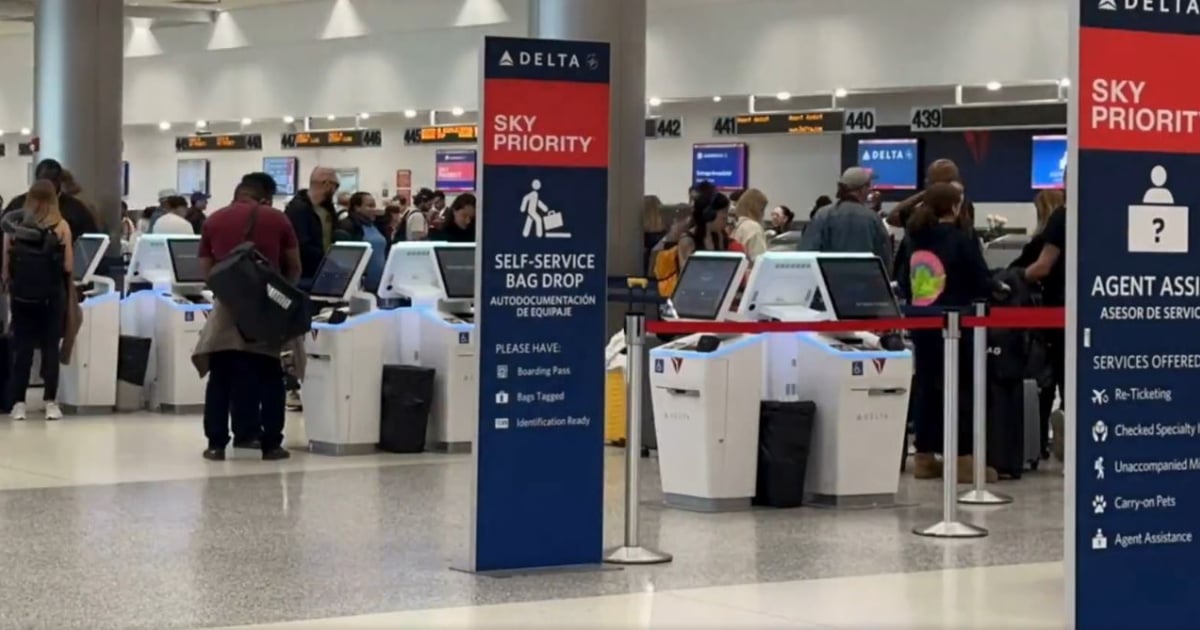
Chaviano pointed out that immigration officers at airports have the power to declare any non-citizen inadmissible, even those with legal residency. This decision could lead to the loss of immigration status or the start of deportation proceedings. Additionally, travelers lack the right to immediate legal representation within airport jurisdiction, leaving crucial decisions up to the discretion of the on-duty officer.
Case Highlight: Heidy Díaz Sosa
The recent case of Heidy Díaz Sosa, a Cuban resident in the U.S., underscores these concerns. After traveling to Cuba with her husband, she was detained for nearly four hours by immigration officers upon returning to Miami International Airport. Officers examined her electronic devices and informed her that she could no longer return to Cuba.
"They told me it was the first and last time and that I'm flagged in the system to not enter Cuba again," Díaz Sosa shared via social media. Her experience, widely covered by the media, has instilled fear among Cuban residents with permanent status in the U.S., who worry they might face similar restrictions.
Legal Perspective from Patricia Hernández
Immigration lawyer Patricia Hernández recently clarified that every time a permanent resident leaves and re-enters the U.S., they risk having their immigration status reassessed by a CBP officer. "At any port of entry, a permanent resident could be placed in deportation proceedings if deemed inadmissible or deportable," Hernández stated.
The risk is heightened for those who initially entered through the border and obtained humanitarian parole, later adjusting their status. If they return to Cuba, officers might suspect fraud: "The parole benefit granted residency, but frequent returns to the island could lead to the conclusion that you misrepresented your intentions, risking your status," Hernández warned.
Key Questions on Traveling to Cuba for Non-Citizens
Why should non-citizens avoid traveling to Cuba?
Non-citizens should avoid traveling to Cuba due to the risk of being declared inadmissible by immigration officers upon re-entry to the U.S., which could result in losing their residency status or facing deportation proceedings.
What happened to Heidy Díaz Sosa after traveling to Cuba?
After her trip to Cuba, Heidy Díaz Sosa was detained for nearly four hours by U.S. immigration officers at Miami International Airport. She was informed that she could not return to Cuba, and her experience has raised concerns among other Cuban residents.
What are the risks for residents who entered the U.S. via humanitarian parole?
Residents who entered the U.S. with humanitarian parole and then travel back to Cuba may be suspected of fraud, as repeated trips to the island could suggest misrepresentation of their initial intentions, potentially leading to loss of residency status.