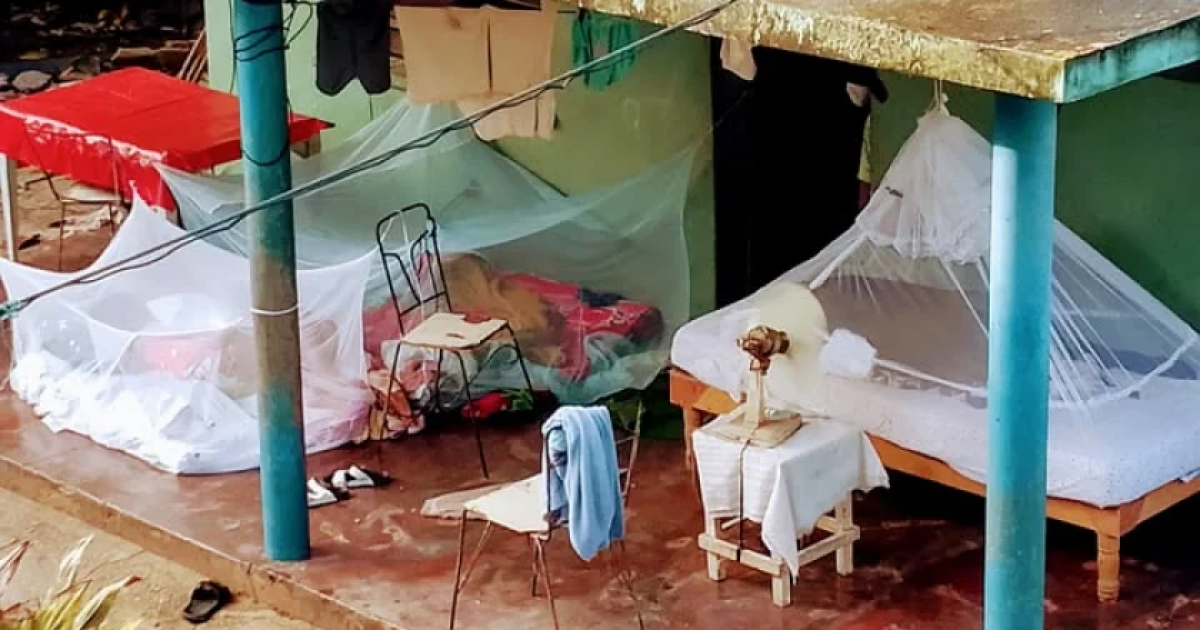
The growing frustration among Cuban citizens over the nation's worsening energy crisis has reached a new height. Matanzas-based photographer Belice Blanco Garcés has publicly voiced her discontent, highlighting the extreme blackouts that have plunged her community into darkness, unbearable heat, and hopelessness. In a heartfelt message shared on Facebook, Blanco Garcés detailed how her town, once a pioneer in supplying electricity to the emerging tourist destination of Varadero, now suffers from power outages lasting up to 30 consecutive hours, with only brief periods of electricity.
"We spend entire nights and early mornings enduring the intense heat, battling mosquitoes, and questioning what kind of life we are being forced to endure," she lamented. "This is a genocide."
Voices of Protest in a Darkened City
Typically focused on art and community service, the independent artist felt compelled to break her silence about the daily struggles. "What we are experiencing is genocide," she declared, condemning the injustice that Matanzas, home to the country's largest thermoelectric plant, suffers severe blackouts while the capital and Varadero enjoy a more stable power supply.
Her statement brought attention to the inequality and hypocrisy of the regime: "How can I care for my elderly, ailing mother in such darkness when she needs rest and not to spend nights longing for a bit of air and cold water? How can we feed the elderly and children if the little food we buy spoils in the excessive heat?"
Blanco Garcés also touched on the painful issue of forced migration affecting many Cuban families: "Why did my son have to leave his homeland with tears in his eyes to help us survive this hell?"
A Nationwide Struggle for Dignity
Her testimony reflects a broader reality across the Island: a population enduring over 20 hours of blackouts daily, severely impacting health, nutrition, and family life, while the government blames external factors and refuses to acknowledge the extent of its own failures.
In her closing statement, the artist asserted her right to speak out: "I refuse to remain silent! I demand a dignified life with the human rights we deserve." She noted that she would not engage with comments, "especially not from haters of any kind."
Her voice adds to the rising tide of protests on social media, where citizens from various provinces demand answers and solutions from a state that, rather than ensuring basic services, prioritizes the comfort of elites and tourist areas at the expense of ordinary people.
The regime, directly accountable for the most severe energy crisis in recent decades, continues to subject the Cuban people to relentless blackouts, driving thousands to despair and exile while clinging to an inefficient and unsustainable model.
Understanding Cuba's Energy Crisis
What are the main causes of Cuba's current energy crisis?
Cuba's energy crisis stems from outdated infrastructure, mismanagement, and a lack of investment in modernizing power plants. The focus on prioritizing tourist areas over local communities has exacerbated the problem.
How are the blackouts affecting the daily lives of Cuban citizens?
The blackouts disrupt daily life by impacting health, food preservation, and basic comfort, leading to increased frustration and hardship among the population.
Why do Havana and Varadero have a more reliable power supply?
Havana and Varadero receive priority in power supply due to their importance as political and tourist centers, reflecting a government policy that values these areas over the needs of the general population.