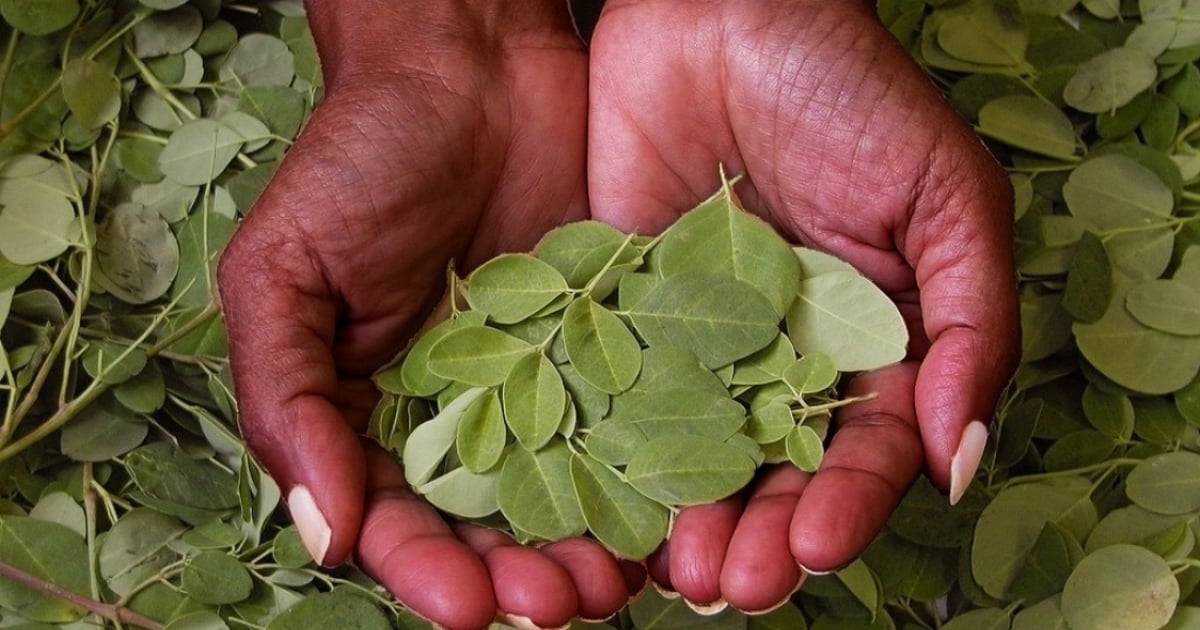
The University of Oriente in Santiago de Cuba has publicly championed moringa as a superior food source, highlighting its extensive nutritional benefits in a recent announcement. On Saturday, the academic institution took to Facebook to elaborate on the advantages of the plant, widely dubbed as the "tree of life." While moringa offers beneficial properties, such claims starkly contrast with the ongoing food crisis affecting the Cuban population.
The university compared the nutritional contributions of moringa to everyday foods, asserting that it boasts more protein than yogurt, more calcium than milk, and more iron than spinach. These claims echo the enthusiasm of the late dictator Fidel Castro, who once praised the remarkable plant. According to their post, moringa also contains more vitamin C than oranges, more vitamin A than carrots, and more potassium than bananas, along with antioxidants, fiber, magnesium, and zinc.
These characteristics, they added, make it a "superfood" recommended for health and disease prevention. The university explained that moringa can be consumed in powder form, as infusions, or fresh in salads, and should be used regularly to tap into its full nutritional potential.
The Official Promotion of Moringa in Cuba
Through this statement, the University of Oriente has joined the official endorsement of moringa as an alternative food resource in the country, a stance promoted at various times by the regime. The government's push for moringa as a dietary alternative has been reflected in several state initiatives. A 27 million peso investment was allocated to build the first moringa processing plant in Cuba, aimed at diversifying diets amidst the scarcity of basic staples like milk.
A few weeks later, it was announced that cookies made with moringa powder would be among the products derived from the crop, signifying an effort to incorporate this plant into the regular Cuban diet. Subsequently, Prime Minister Manuel Marrero inaugurated a moringa processing plant in Pinar del Río, cementing the government's strategy to position this vegetable as a substitute for traditional foods. These measures have been portrayed by authorities as advancements in food security, though they have faced criticism for being out of touch with the actual nutritional needs of the population.
Questions About Moringa's Role in Cuba's Food Strategy
What nutritional advantages does moringa have over other foods?
Moringa contains more protein than yogurt, more calcium than milk, and more iron than spinach. It also has more vitamin C than oranges, more vitamin A than carrots, and more potassium than bananas, along with antioxidants, fiber, magnesium, and zinc.
How is the Cuban government promoting moringa?
The Cuban government has invested in building moringa processing plants and introduced products like moringa-based cookies as part of efforts to use the plant as an alternative food resource amid shortages of basic staples.
What forms of moringa consumption are recommended?
Moringa can be consumed in powder form, as infusions, or fresh in salads. Regular consumption is recommended to take full advantage of its nutritional benefits.