The United States military has deployed over 4,000 Marines and sailors to the waters of Latin America and the Caribbean, embarking on an unprecedented offensive against criminal organizations labeled as "narcoterrorists" by the Trump administration. Sources from the Pentagon have confirmed to CNN and Reuters that this operation represents a significant shift in Washington's security strategy, placing the fight against cartels on par with the global war on terrorism.
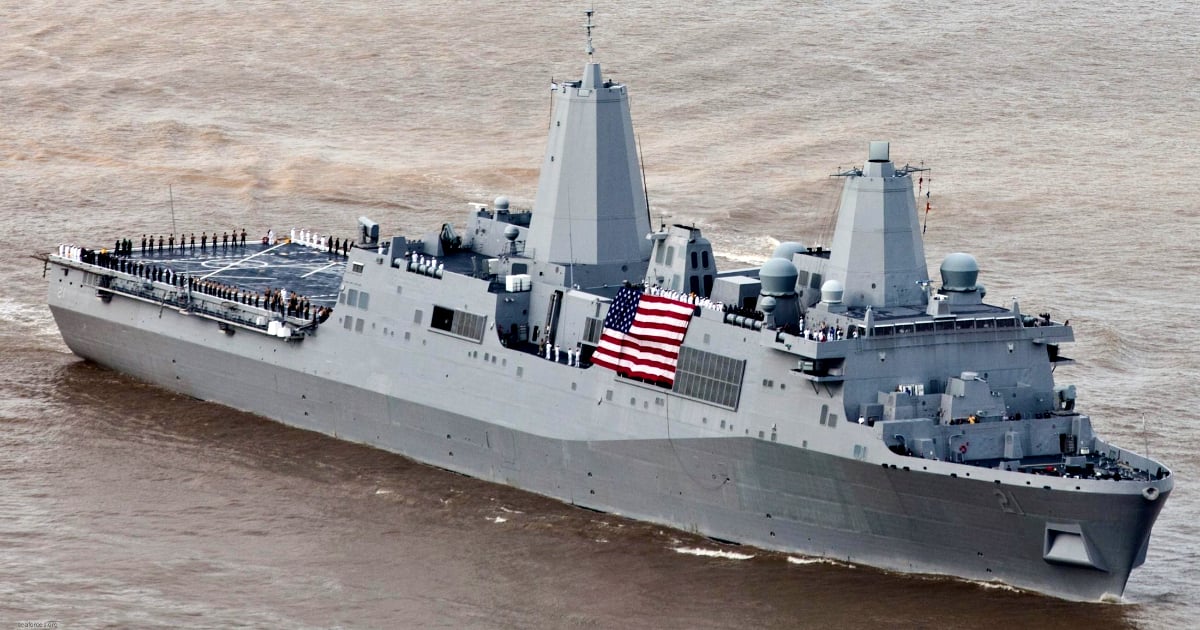
The Iwo Jima Amphibious Ready Group and the 22nd Marine Expeditionary Unit (MEU) have joined forces with the Southern Command (SOUTHCOM). This deployment includes destroyers, a nuclear attack submarine, reconnaissance aircraft, and a guided-missile cruiser. Leading the naval presence in the Caribbean Sea are the USS Iwo Jima, USS Fort Lauderdale, and USS San Antonio.
Although the Pentagon maintains that the military build-up's primary aim is to "send a deterrent message," the extensive resources involved grant President Donald Trump a wide range of offensive options. The MEUs are equipped with combat air capabilities and have previously been employed in evacuation and crisis control operations in international hotspots.
The political backdrop underscores the extraordinary nature of this initiative. Recently, the State Department added six Mexican cartels—including Sinaloa and Jalisco New Generation—the Venezuelan Tren de Aragua, and the Mara Salvatrucha (MS-13) to its list of foreign terrorist organizations. Washington defends its decision by arguing that these criminal networks pose an "unusual and extraordinary threat" due to their involvement in drug, weapons, and human trafficking, as well as their presence on U.S. soil.
According to reports from the New York Times, the new policy enables the U.S. military to take on roles traditionally reserved for civilian agencies, such as pursuing and neutralizing suspects abroad. Meanwhile, surveillance drones have increased their operations over Mexico and Venezuela, and individuals linked to these organizations are reportedly being transferred to the Guantanamo Naval Base.
Responses in the region have been swift. Mexico has voiced its opposition to unilateral actions by the United States, warning that such measures could be seen as a prelude to direct intervention. In Caracas, Nicolás Maduro's regime was once again targeted by Washington, which designated the Cartel of the Suns as a terrorist organization and offered $50 million for the capture of the Venezuelan leader.
The bolstered military presence in the Caribbean rekindles longstanding tensions in Latin America, bringing the militarization of the drug war into sharp focus and potentially leading to far-reaching consequences for the region.
Key Questions on U.S. Military Operations in the Caribbean
Why has the U.S. increased its military presence in the Caribbean?
The U.S. has bolstered its military presence in the Caribbean to combat criminal organizations labeled as "narcoterrorists" by the Trump administration, marking a strategic shift to equate the fight against these cartels with the global war on terrorism.
What resources are included in the U.S. military deployment?
The deployment includes over 4,000 Marines and sailors, destroyers, a nuclear attack submarine, reconnaissance aircraft, and a guided-missile cruiser, with the USS Iwo Jima, USS Fort Lauderdale, and USS San Antonio leading the naval presence.
How have countries in the region reacted to the U.S. military actions?
Mexico has expressed disapproval of the U.S. acting unilaterally, warning that these actions might be perceived as a step towards direct intervention. In Venezuela, Washington's designation of the Cartel of the Suns as a terrorist organization has intensified tensions with the Maduro regime.