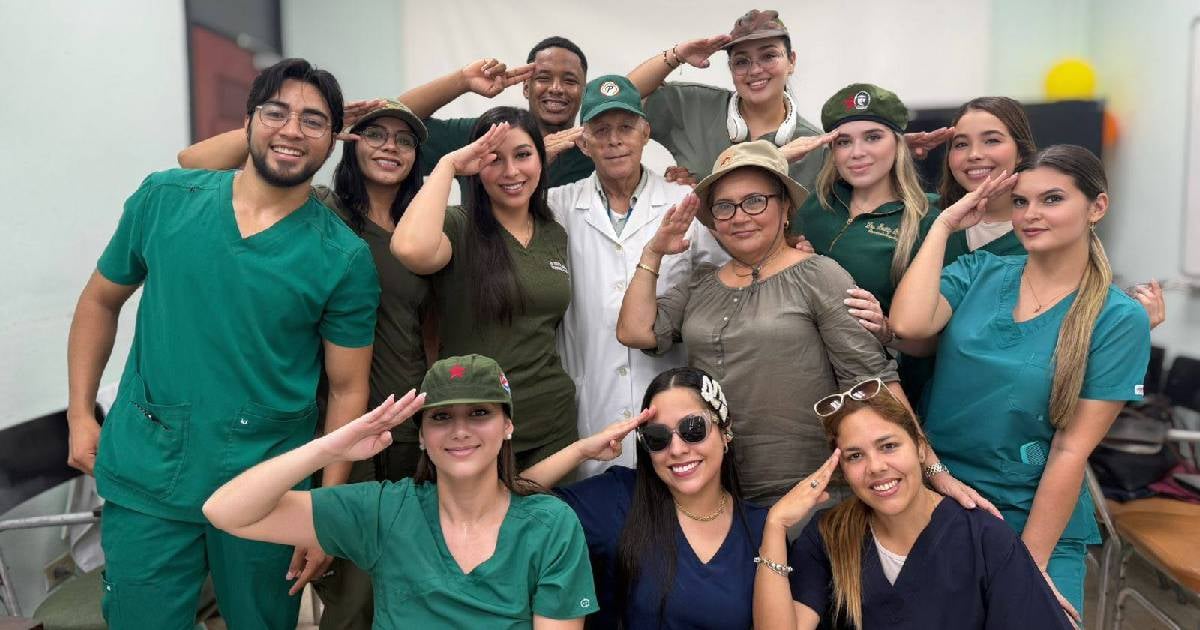
On Wednesday, the Hermanos Ameijeiras Clinical-Surgical Hospital marked the 99th anniversary of Fidel Castro's birth with a ceremony in their Otolaryngology Department. The hospital praised the late dictator as the architect of the "excellence in medicine" that allegedly characterizes the island today. In a message shared on social media, the institution credited Castro with a "humanist legacy and transformative vision" that supposedly facilitated the training of professionals, the development of the healthcare system, and "international solidarity" in health matters. The post concluded by urging people to honor his "eternal call to serve with love and dedication."
Propaganda Amidst a Crumbling Healthcare System
These statements starkly contrast with the dire state of Cuba's healthcare system, where a lack of treatments, medications, and even the presence of hospital-acquired bacteria affect people daily. Patients needing surgery often have to bring their own supplies, including sutures, gloves, and antibiotics.
Critics question the call for "international solidarity," pointing out that the regime has profited millions from overseas medical missions while local healthcare personnel and services suffer from shortages and decline. This so-called aid to other countries has functioned more as a lucrative business and political tool rather than genuine altruism.
Within this context, the event at Ameijeiras seems to follow the regime's usual strategy of using anniversaries and commemorations to glorify Fidel Castro, ignoring the structural crisis plaguing the island's public health.
Health System Collapse: Minister Acknowledges Lack of Medicines and Resources
In July, Cuba's Minister of Public Health, José Ángel Portal Miranda, admitted to the National Assembly deputies that the healthcare system is experiencing an unprecedented structural crisis. This crisis is highlighted by coverage of just 30% of essential medicines and widespread deterioration of medical services.
In his speech, he justified the sector's limitations with a grim statement: "These problems will not be resolved immediately, but we reaffirm our commitment to seeking solutions and optimizing available resources, provided funding permits."
During his address to the Parliament's Health and Sports Commission, Portal Miranda painted a bleak picture for the sector, citing chronic shortages in medical supplies, organizational failures, an exodus of professionals, illegal sale of hospital services, and increasing maternal and infant mortality rates.
Frequently Asked Questions About Cuba's Healthcare Crisis
What are the main issues facing Cuba's healthcare system?
Cuba's healthcare system is grappling with severe shortages of essential medicines, a deteriorating infrastructure, and a lack of medical supplies and personnel. These issues are compounded by organizational failures and an increase in illegal hospital services.
How has the Cuban government responded to the healthcare crisis?
The Cuban government has acknowledged the crisis but states that these problems will not be resolved quickly. They have committed to seeking solutions and optimizing resources, conditional upon available funding.
Why is Cuba's international medical aid controversial?
Cuba's international medical aid is controversial because, while it purports to be humanitarian, critics argue it is primarily a revenue-generating political tool. This occurs while domestic healthcare suffers from serious shortages.