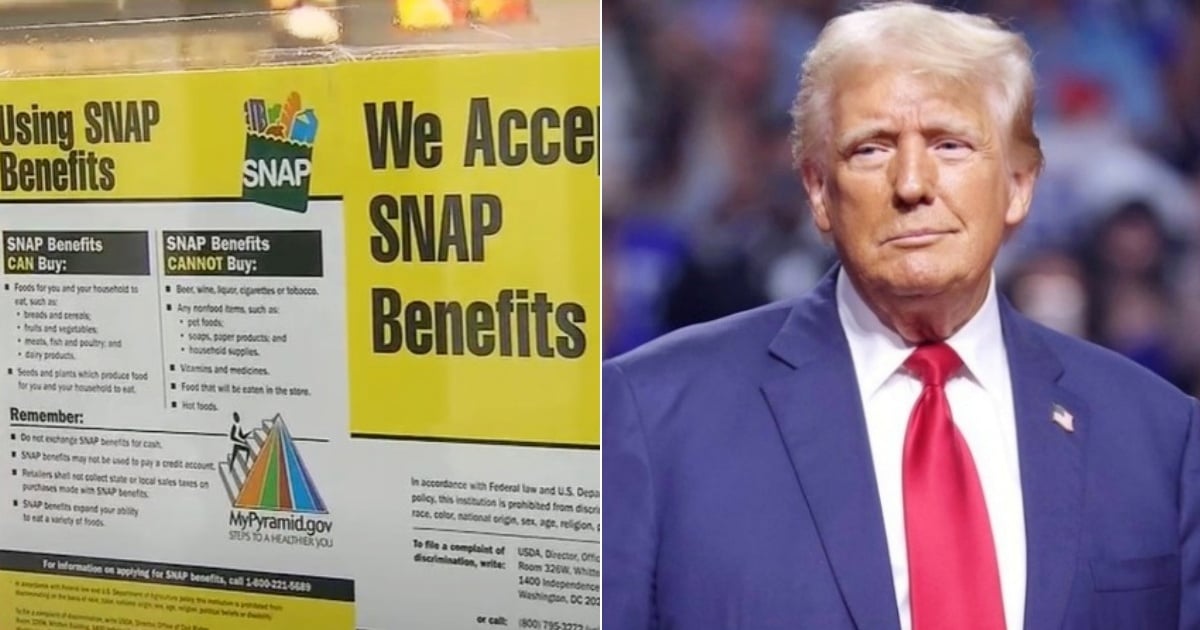
The Trump Administration is gearing up to implement a regulatory change that could significantly reduce or completely cut off Supplemental Security Income (SSI) benefits for close to 400,000 individuals across the United States. This move primarily targets low-income seniors, individuals with severe disabilities—including children—and the blind, who rely on these monthly payments for basic necessities like rent, food, clothing, or medication.
A recent report from the Center on Budget and Policy Priorities (CBPP) highlights that nearly 400,000 SSI beneficiaries living with family or friends who face their own financial challenges could see their benefits slashed—often by hundreds of dollars per month—or lose eligibility altogether.
The Roots of the Controversy
SSI is a federal program providing monthly payments to those meeting stringent income and resource criteria. Since October 2024, the Social Security Administration (SSA) has regarded households receiving SNAP—the Supplemental Nutrition Assistance Program, commonly known as "food stamps"—as those receiving public assistance. This adjustment was made to prevent the poorest families from being penalized for "In-kind Support and Maintenance" (ISM), which deducts the value of aid received from monthly checks if recipients live with others, such as in a family member's home, even when that family member is also struggling financially.
"This allows more individuals to qualify for SSI and, in certain cases, increases their SSI payments," the CBPP notes. Before the 2024 update, SNAP was not included in the list of programs considered public assistance for SSI, which left many families vulnerable to reduced checks despite living in poverty.
What is Trump's Proposal?
The new proposal aims to remove SNAP from this list, reverting the program to criteria established over 40 years ago. Essentially, this would mean that sharing a home with relatives or friends would once again be seen as financial support that reduces the monthly check, even if the household lives below the poverty line.
The CBPP warns that this change "ignores the reality that families receiving SNAP have very low incomes." Their analysis found that a typical household receiving SNAP, with at least one SSI member, has an annual income of about $17,000, significantly below the poverty line.
Who Will Bear the Brunt?
The proposed cuts would disproportionately affect:
- Elderly individuals unable to afford their own housing, living with children, grandchildren, or siblings to share expenses.
- Adults with physical or intellectual disabilities relying on daily care from family members.
- Children under 18 with disabilities whose parents receive SNAP, having their income partially accounted for, resulting in reduced SSI checks.
According to the CBPP, more than 275,000 people would face benefit reductions, and approximately 100,000 could lose their benefits entirely if the rule is approved. "The Trump administration's proposal to change the rules will impact hundreds of thousands of the nation's lowest-income individuals," states the CBPP report.
The Specific Impact in Florida
In Florida, where housing costs are high and SNAP participation is widespread, around 30,800 SSI recipients could be affected. Many already reside in multigenerational households to survive soaring rents and living expenses.
The CBPP provides an example illustrating the potential impact on Florida households: An adult with Down syndrome living with low-income parents and receiving SNAP currently gets $967 monthly, the full federal amount. Since her household is considered public assistance, the ISM penalty does not apply. If SNAP is removed from the definition, the estimated value of living in her parents' home would be deducted, reducing her check by one-third, leaving her with less than $700 monthly.
In a state like Florida, where median rent prices exceed many beneficiaries' incomes, such a reduction could force choices between paying rent, buying food, or purchasing medicine.
Beyond Financial Cuts: Broader Implications
The CBPP warns that the change would also lead to increased bureaucracy and a higher risk of errors. Beneficiaries would need to frequently report their living situations, detail who pays each expense, and notify any family changes. This process would overburden an already understaffed SSA and result in both overpayments and underpayments.
Additionally, families might be discouraged from providing housing or care for relatives, fearing it could affect their benefits, increasing the risk of institutionalization.
A Threat to the Stability of the Most Vulnerable
Overall, the projected change would affect nearly 400,000 people nationwide, many of whom are among the most vulnerable. In Florida, the 30,800 individuals at risk of losing part or all of their SSI rely on this income to avoid homelessness.
The cuts would not only reduce their financial resources but also heighten the risk of eviction, hunger, and isolation. As the CBPP states, the measure would revert SSI to an "outdated" standard that does not reflect the realities of the past four decades, leaving those with the least and the families who care for them unprotected.
Understanding the Impact of SSI Changes
What is Supplemental Security Income (SSI)?
SSI is a federal program that offers monthly payments to individuals meeting specific income and resource requirements, including low-income seniors, people with severe disabilities, and the blind.
How would the proposed changes affect SSI beneficiaries?
The proposed changes could reduce or eliminate SSI benefits for nearly 400,000 individuals, particularly affecting those living in households that receive SNAP benefits.
Who would be most affected by the SSI benefit cuts?
The cuts would mainly impact low-income seniors, adults with disabilities, and children with disabilities, especially those living with family members who receive SNAP benefits.