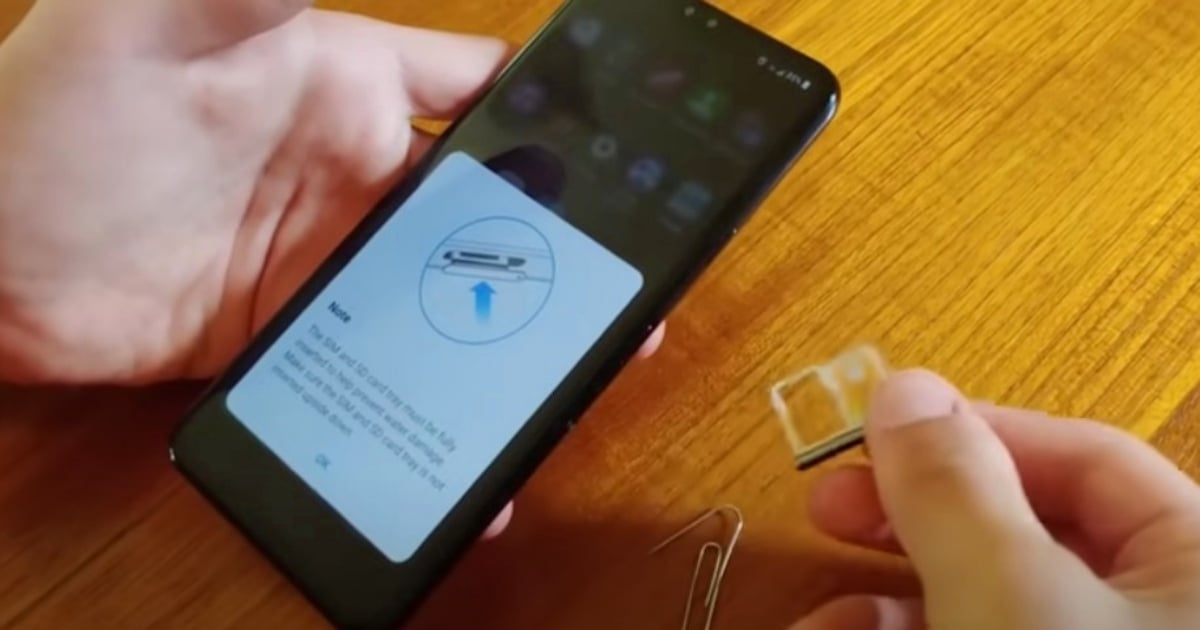
A South Florida resident, Patricia Escrivá, recently fell victim to a notorious scam known as "SIM swap," where fraudsters managed to steal over $17,000 from her in under a day. They even attempted to siphon an additional $50,000 from her husband's investment account. Escrivá shared her harrowing experience with Telemundo 51, recounting how the fraud began in early June when her cell phone signal mysteriously vanished.
"I looked at my phone and there was no activity. No texts, no calls, and I thought: how strange!" she recalls. When she tried to call her husband, the call wouldn't go through. The real trouble started when she connected to Wi-Fi and began receiving alarming notifications from her bank.
"I received two emails from Chase, two alerts... One indicated that our password had been changed on a new device. I was in a panic," she described. Within 24 hours, the criminals had made charges exceeding $17,000 and attempted to sell her husband's stocks to move another $50,000, a transaction they luckily stopped in time. When she contacted her provider, Metro by T-Mobile, they informed her that she was no longer listed as a client and her lines were now under T-Mobile. This revealed that someone had unauthorizedly transferred her cellular service to another device.
"I had never heard it was so easy to steal someone's line and transfer it to a different device," she stated, still in shock. Acting swiftly, Escrivá managed to recover the lost funds by contacting her banks, but the emotional toll and feeling of vulnerability linger.
"If we hadn't acted quickly, that money would have been gone," she warned.
Understanding the "SIM Swap" Scam
The "SIM swap" scam is a form of social engineering where criminals impersonate the victim, using personal information to convince the phone company to transfer the victim’s number to a new phone. With this access, they can reset passwords and utilize SMS verification codes to infiltrate bank accounts, investment portfolios, emails, and social media.
Former prosecutor Erin West, founder of Operation Shamrock, elaborates: "It can be as simple as calling, pretending to be you, knowing certain things about you, and claiming you have a new phone. So, they shut down this old purple phone and transfer everything to the one in their hand." Once the switch is made, "they can reset your login credentials using two-factor authentication codes sent to the phone line."
Company's Response
Metro by T-Mobile confirmed direct communication with Escrivá. In a statement to Telemundo 51, they acknowledged that SIM swaps are an industry-wide issue and that they are investing in preventative measures.
"Our team can assist customers in further securing their accounts, share information on staying safe online, and ensure they have taken the correct steps like contacting credit agencies, updating passwords, and filing a police report," the company stated.
The company advises using strong, unique passwords, regularly resetting PINs, and being cautious of unexpected calls or messages.
Steps to Take If You Lose Signal Suddenly
- Call your carrier from another line to reverse the SIM change and activate a port-out PIN or porting block.
- Notify your banks and brokers to block transactions.
- Change passwords and use non-SMS verification methods.
- Activate fraud alerts with credit agencies.
- File a police report and preserve any evidence.
Key Prevention Measures
- Set up a portability PIN and require in-person verification for SIM changes.
- Avoid using SMS as a second factor for financial services; prefer authenticator apps or physical keys.
- Use strong, unique passwords stored in a secure manager.
- Enable real-time alerts for financial transactions and account access.
- Avoid posting personal data on social media that can be used for identity verification.
- Regularly review your carrier account for unknown lines or changes in call forwarding or voicemail.
FAQs on SIM Swap Scam Protection
What is a SIM swap scam?
A SIM swap scam is a type of fraud where criminals impersonate you to the phone company to transfer your phone number to a new device, giving them access to your accounts.
How can I protect myself from a SIM swap scam?
Protect yourself by setting up a port-out PIN, using strong passwords, enabling two-factor authentication without SMS, and staying vigilant about unexpected phone activity.
What should I do if I suspect a SIM swap has occurred?
Immediately contact your carrier to reverse the change, notify your banks, change passwords, set up fraud alerts with credit agencies, and file a police report.